

Jews on the Frontier, Volume 1
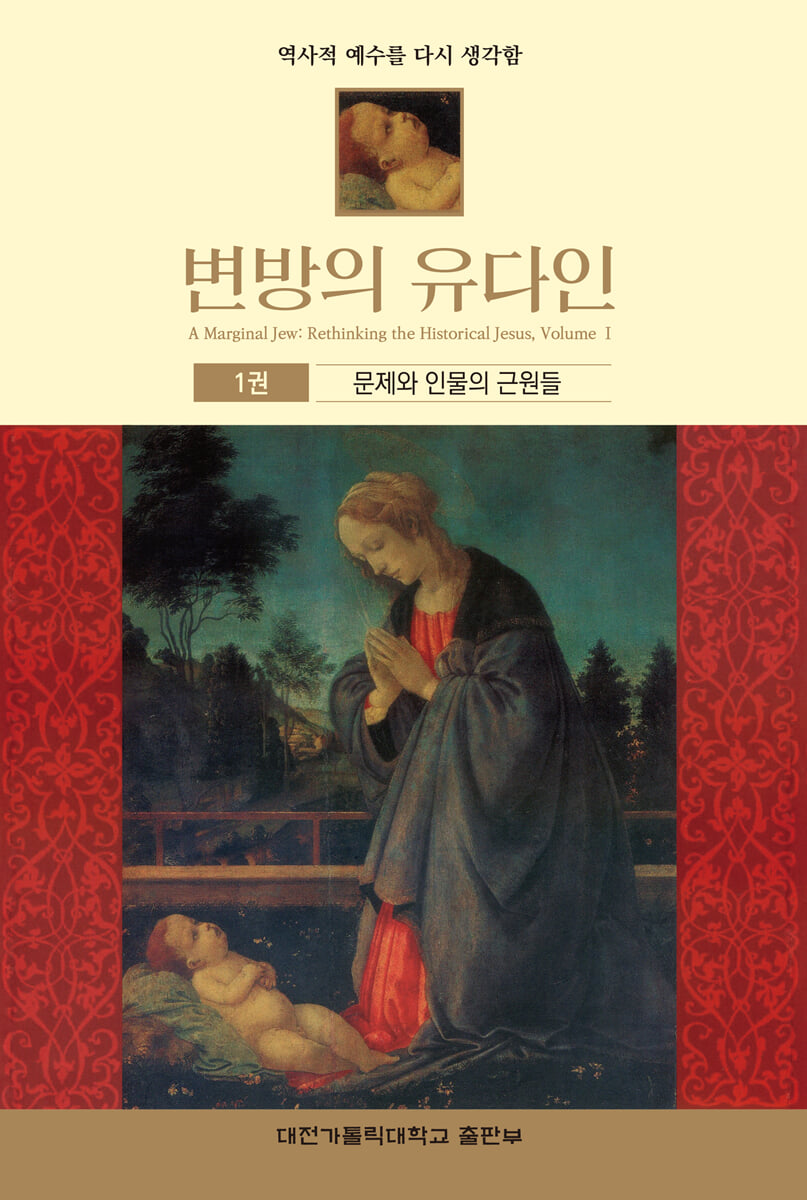 |
Description
Book Introduction
We strive to solve the biggest challenges in religious studies.
Who was Jesus? To answer this question, author John P.
Meyer envisions the following plan:
“Catholics, Protestants, Jews, and atheists—all honest historians of early religious movements—were locked away in the bowels of the Harvard Divinity School library…unable to emerge until they had reached a consensus about who Jesus of Nazareth was and what he intended.” Jews on the Frontier is what Meyer thinks the document might have revealed.
"Jews on the Frontier" represents the first attempt by an American Catholic biblical scholar to undertake a comprehensive, thoroughly scientific treatise on the "historical Jesus."
By “the historical Jesus,” Meyer means a Jesus we can reclaim and reconstruct using the tools of modern historical research.
Given the fragmentary nature of the data and the indirect nature of the arguments, the resulting descriptions are incomplete and sometimes speculative.
Nevertheless, Meyer argues that something important is gained.
The emerging “consensus statement” is open to discussion and debate by all interested parties—Catholics, Protestants, Jews, and atheists alike.
This serves as a common ground for ecumenical dialogue and further research.
The difficult problems Meyer faces are:
Was Jesus conceived by a virgin? Did he have brothers and sisters? Was he married or single? Was he illiterate? Did he know Hebrew and Greek, as well as Aramaic?
As his contemporaries saw him, and as we see him for the first time nearly two thousand years later, with all the implications and questions raised by this deliberately provocative title—“Jew on the Outskirts”—Meyer’s sober, logical account of the life of Jesus is nothing short of astonishing.
Indeed, the author has painted for us here a portrait of Jesus for our time.
Who was Jesus? To answer this question, author John P.
Meyer envisions the following plan:
“Catholics, Protestants, Jews, and atheists—all honest historians of early religious movements—were locked away in the bowels of the Harvard Divinity School library…unable to emerge until they had reached a consensus about who Jesus of Nazareth was and what he intended.” Jews on the Frontier is what Meyer thinks the document might have revealed.
"Jews on the Frontier" represents the first attempt by an American Catholic biblical scholar to undertake a comprehensive, thoroughly scientific treatise on the "historical Jesus."
By “the historical Jesus,” Meyer means a Jesus we can reclaim and reconstruct using the tools of modern historical research.
Given the fragmentary nature of the data and the indirect nature of the arguments, the resulting descriptions are incomplete and sometimes speculative.
Nevertheless, Meyer argues that something important is gained.
The emerging “consensus statement” is open to discussion and debate by all interested parties—Catholics, Protestants, Jews, and atheists alike.
This serves as a common ground for ecumenical dialogue and further research.
The difficult problems Meyer faces are:
Was Jesus conceived by a virgin? Did he have brothers and sisters? Was he married or single? Was he illiterate? Did he know Hebrew and Greek, as well as Aramaic?
As his contemporaries saw him, and as we see him for the first time nearly two thousand years later, with all the implications and questions raised by this deliberately provocative title—“Jew on the Outskirts”—Meyer’s sober, logical account of the life of Jesus is nothing short of astonishing.
Indeed, the author has painted for us here a portrait of Jesus for our time.
- You can preview some of the book's contents.
Preview
index
●Table of Contents●
Acknowledgements_?
Translator's Note_ⅹⅲ
Introduction 1
1.
The Features and Origins of This Book_1
2.
Reasons to Try_4
3.
The Quest for Objectivity_5
4.
A note on being in the outskirts_8
5.
Notes on Sociology, Literary Criticism, and New Testament Commentary_12
6.
Structure of this book_15
Notes to the Introduction_17
Part 1
The roots of the problem
Chapter 1
Basic Concepts: The Real Jesus and the Historical Jesus_23
The Real Jesus_23
The Historical Jesus_27
Historical and Historical_29
Notes to Chapter 1_36
Chapter 2
Sources: Canonical Books of the New Testament_45
Notes to Chapter 2_54
Chapter 3
Sources: Josephus_61
Notes to Chapter 3_78
Chapter 4
Sources: Writings of Other Diplomats and Jews_96
1.
Tacitus and Other Diplomatic Authors of the 2nd Century AD_96
2.
Jewish Sources Beyond Josephus_101
Notes to Chapter 4_108
Chapter 5
Sources: Apocrypha and Pseudepigrapha_120
1.
Apocrypha (AGRAPHA)_120
2.
Pseudepigraphical Gospels_123
3.
Nag Hammadi Data_134
4.
Summary of the materials_154
Notes to Chapter 5_157
Chapter 6
Criterion: How Do We Determine What Comes from Jesus?_181
Main Criteria_182
1.
The Standard of Embarrassment/182
2.
Criteria for Disconnection/186
3.
Various Standards of Proof/190
4.
Standard of Consistency/191
5.
Criteria for Rejection and Execution/193
Secondary (or Suspicious) Criteria_194
6.
Criteria for Aramaic Traces/194
7.
Environmental Standards in Palestine/196
8.
The Standard of Vivid Narration/197
9.
Trends in the Developing Public Official Transmission/199
10.
Criteria for Historical Estimation/200
Conclusion_201
Notes to Chapter 6_202
Chapter 7
Conclusion to Part 1: Why bother?
The Validity of the Quest for the Historical Jesus_213
Notes to Chapter 7_219
Part 2
The origins of characters
Chapter 8
The Origins of Jesus of Nazareth_223
1.
What's in a Name?_223
2.
Birth and Lineage_227
A.
The Problem with Feeds/227
B.
Born in Bethlehem/234
C.
House of David/236
D.
Virgin Conception/241
E.
Problems of Private Life/244
F.
Conclusions/252
Notes to Chapter 8_255
Chapter 9
In the Interim… Part I: Language, Education, and Socioeconomic Status_276
1.
Can you tell us something about the formative years?_276
2.
What Language Did Jesus Speak?_278
3.
Did Jesus Illiterate?_295
A.
Three Key New Testament Passages/295
B.
Jewish Education and Literacy in Jesus' Time/298
4.
Was Jesus a Poor Carpenter?_308
Notes to Chapter 9_317
Chapter 10
In the Interim... Part II: Family, Marital Status, and Lay Status_346
1.
Jesus' Immediate Family_346
A.
Jesus' Parents/347
B.
Brothers and Sisters: A History of Interpretation/348
C.
Related passages from the Gospel of Matthew/ 1:25; 13:55; 12:46-50/350
D.
Documents on Jesus' Brothers/356
E.
Conclusion/364
2.
Was Jesus Married?_366
3.
Jesus' Status as a Layman_382
4.
Summary of Jesus' Origins and the "Hidden Years"_388
Notes to Chapter 10_391
Chapter 11
"In the fifteenth year..." Timeline of Jesus' Life_409
1.
Initial research to establish boundaries_410
A.
Basic timeline: AD 26–36/410
B.
Narrowing the Time Frame: Jesus Died Between 28 and 33 AD/411
C.
At the other end: Jesus was born shortly before the death of Herod the Great (4 BC)/413
D.
Confirmed in Luke 3:23/415
E.
Confirmation of the general outline in John 8:57 and 2:20/416
F.
Preliminary Conclusion/421
2.
Attempts to Be More Accurate_422
A.
Year 15 of Tiberius/422
B.
Dates of Jesus' Last Supper and Crucifixion/426
C.
The Year of Jesus' Death and the Length of His Ministry/444
3.
Final Summary and Final Warning_451
Notes to Chapter 11_455
Palestine in the Time of Jesus_478
Galilee During Jesus' Ministry_479
Herod the Great's Genealogy_480
Years of Reign of Roman Monarchs (Emperors)_481
List of Abbreviations_482
Bible Search_503
Find the author_511
Topic Search_521
Acknowledgements_?
Translator's Note_ⅹⅲ
Introduction 1
1.
The Features and Origins of This Book_1
2.
Reasons to Try_4
3.
The Quest for Objectivity_5
4.
A note on being in the outskirts_8
5.
Notes on Sociology, Literary Criticism, and New Testament Commentary_12
6.
Structure of this book_15
Notes to the Introduction_17
Part 1
The roots of the problem
Chapter 1
Basic Concepts: The Real Jesus and the Historical Jesus_23
The Real Jesus_23
The Historical Jesus_27
Historical and Historical_29
Notes to Chapter 1_36
Chapter 2
Sources: Canonical Books of the New Testament_45
Notes to Chapter 2_54
Chapter 3
Sources: Josephus_61
Notes to Chapter 3_78
Chapter 4
Sources: Writings of Other Diplomats and Jews_96
1.
Tacitus and Other Diplomatic Authors of the 2nd Century AD_96
2.
Jewish Sources Beyond Josephus_101
Notes to Chapter 4_108
Chapter 5
Sources: Apocrypha and Pseudepigrapha_120
1.
Apocrypha (AGRAPHA)_120
2.
Pseudepigraphical Gospels_123
3.
Nag Hammadi Data_134
4.
Summary of the materials_154
Notes to Chapter 5_157
Chapter 6
Criterion: How Do We Determine What Comes from Jesus?_181
Main Criteria_182
1.
The Standard of Embarrassment/182
2.
Criteria for Disconnection/186
3.
Various Standards of Proof/190
4.
Standard of Consistency/191
5.
Criteria for Rejection and Execution/193
Secondary (or Suspicious) Criteria_194
6.
Criteria for Aramaic Traces/194
7.
Environmental Standards in Palestine/196
8.
The Standard of Vivid Narration/197
9.
Trends in the Developing Public Official Transmission/199
10.
Criteria for Historical Estimation/200
Conclusion_201
Notes to Chapter 6_202
Chapter 7
Conclusion to Part 1: Why bother?
The Validity of the Quest for the Historical Jesus_213
Notes to Chapter 7_219
Part 2
The origins of characters
Chapter 8
The Origins of Jesus of Nazareth_223
1.
What's in a Name?_223
2.
Birth and Lineage_227
A.
The Problem with Feeds/227
B.
Born in Bethlehem/234
C.
House of David/236
D.
Virgin Conception/241
E.
Problems of Private Life/244
F.
Conclusions/252
Notes to Chapter 8_255
Chapter 9
In the Interim… Part I: Language, Education, and Socioeconomic Status_276
1.
Can you tell us something about the formative years?_276
2.
What Language Did Jesus Speak?_278
3.
Did Jesus Illiterate?_295
A.
Three Key New Testament Passages/295
B.
Jewish Education and Literacy in Jesus' Time/298
4.
Was Jesus a Poor Carpenter?_308
Notes to Chapter 9_317
Chapter 10
In the Interim... Part II: Family, Marital Status, and Lay Status_346
1.
Jesus' Immediate Family_346
A.
Jesus' Parents/347
B.
Brothers and Sisters: A History of Interpretation/348
C.
Related passages from the Gospel of Matthew/ 1:25; 13:55; 12:46-50/350
D.
Documents on Jesus' Brothers/356
E.
Conclusion/364
2.
Was Jesus Married?_366
3.
Jesus' Status as a Layman_382
4.
Summary of Jesus' Origins and the "Hidden Years"_388
Notes to Chapter 10_391
Chapter 11
"In the fifteenth year..." Timeline of Jesus' Life_409
1.
Initial research to establish boundaries_410
A.
Basic timeline: AD 26–36/410
B.
Narrowing the Time Frame: Jesus Died Between 28 and 33 AD/411
C.
At the other end: Jesus was born shortly before the death of Herod the Great (4 BC)/413
D.
Confirmed in Luke 3:23/415
E.
Confirmation of the general outline in John 8:57 and 2:20/416
F.
Preliminary Conclusion/421
2.
Attempts to Be More Accurate_422
A.
Year 15 of Tiberius/422
B.
Dates of Jesus' Last Supper and Crucifixion/426
C.
The Year of Jesus' Death and the Length of His Ministry/444
3.
Final Summary and Final Warning_451
Notes to Chapter 11_455
Palestine in the Time of Jesus_478
Galilee During Jesus' Ministry_479
Herod the Great's Genealogy_480
Years of Reign of Roman Monarchs (Emperors)_481
List of Abbreviations_482
Bible Search_503
Find the author_511
Topic Search_521
GOODS SPECIFICS
- Date of issue: July 30, 2025
- Page count, weight, size: 534 pages | 60g | 152*231*26mm
- ISBN13: 9788998369439
- ISBN10: 8998369435
You may also like
카테고리
korean


korean

![ELLE 엘르 스페셜 에디션 A형 : 12월 [2025]](http://librairie.coreenne.fr/cdn/shop/files/b8e27a3de6c9538896439686c6b0e8fb.jpg?v=1766436872&width=3840)


