

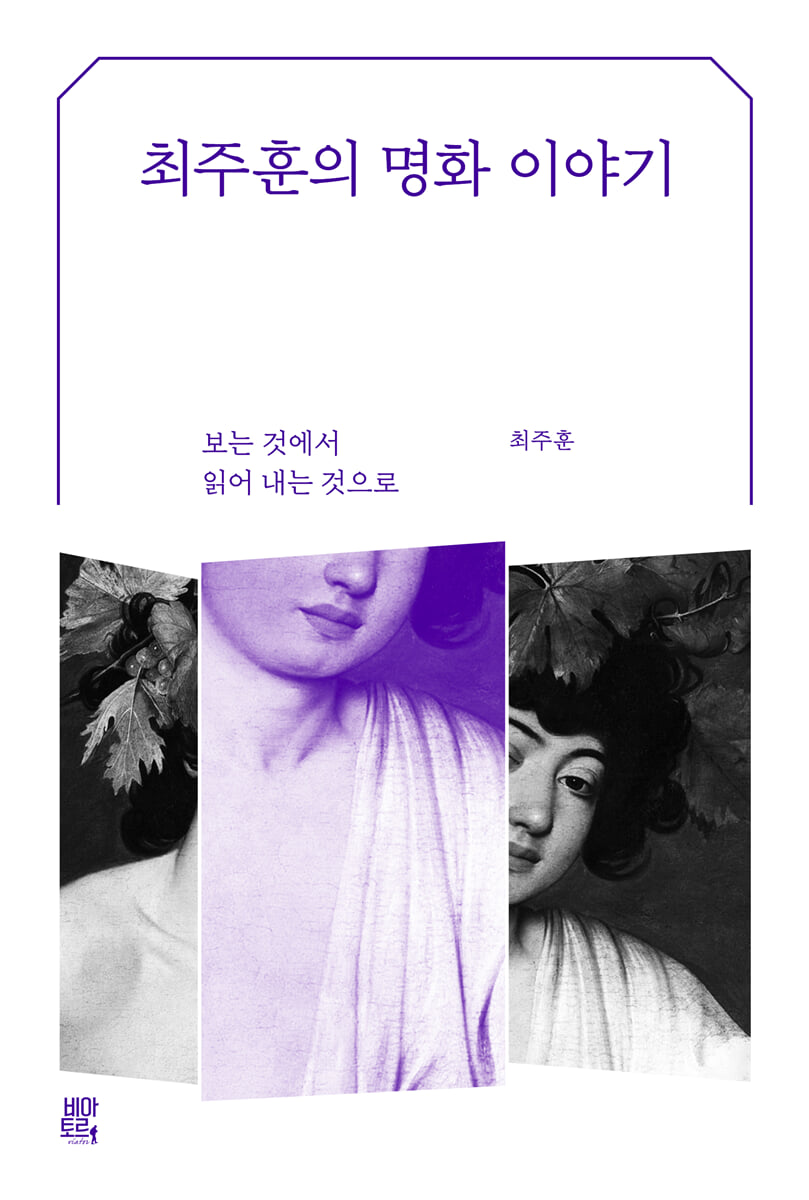
Choi Joo-hoon's story of famous paintings
 |
Description
Book Introduction
Leonardo da Vinci, Rembrandt, Van Gogh, Kim Ki-chang, Frida Kahlo, Caravaggio, Cranach and his son, etc.
The life of Jesus, his suffering and resurrection, and the story of the church and the world, told through 37 famous paintings!
How difficult is it to convey diverse messages and content within a limited framework and limitations?
The 'masterpiece' we speak of not only creates beauty through color and composition within given limitations, but also captures the social, political, and economic context of the time, and carries a prophetic message that transcends the times.
Therefore, 'reading' a painting goes beyond simple appreciation and involves the task of reading the elements and symbols contained in the painting, or 'iconography'.
The author, who is interested in explaining the history and theology of the church through famous paintings, says that a painter who draws well is better than a pastor, and that a single painting conveys a more powerful and weighty message than a long sermon.
The process of reading a picture is similar to the process of interpreting the Bible.
After explaining the general background, including the painter and the era (observation), we examine each corner of the painting through the eyes of a theologian, going through the iconographic process (interpretation), and presenting lessons that make us reflect on ourselves today (application).
This book mainly deals with religious paintings that depict the life of Jesus, from the Annunciation to his birth, growth, public ministry, entry into Jerusalem, betrayal by Judas, the Last Supper, crucifixion, death, events following the resurrection, and the Last Judgment. However, it also provides interesting interpretations of popular works in unique ways.
There are also many paintings related to Luther and the Reformation, including works by Albrecht Dürer, who financially supported Luther, works by Cranach that painted a portrait of Luther, and a Reformation altarpiece depicting Luther.
The life of Jesus, his suffering and resurrection, and the story of the church and the world, told through 37 famous paintings!
How difficult is it to convey diverse messages and content within a limited framework and limitations?
The 'masterpiece' we speak of not only creates beauty through color and composition within given limitations, but also captures the social, political, and economic context of the time, and carries a prophetic message that transcends the times.
Therefore, 'reading' a painting goes beyond simple appreciation and involves the task of reading the elements and symbols contained in the painting, or 'iconography'.
The author, who is interested in explaining the history and theology of the church through famous paintings, says that a painter who draws well is better than a pastor, and that a single painting conveys a more powerful and weighty message than a long sermon.
The process of reading a picture is similar to the process of interpreting the Bible.
After explaining the general background, including the painter and the era (observation), we examine each corner of the painting through the eyes of a theologian, going through the iconographic process (interpretation), and presenting lessons that make us reflect on ourselves today (application).
This book mainly deals with religious paintings that depict the life of Jesus, from the Annunciation to his birth, growth, public ministry, entry into Jerusalem, betrayal by Judas, the Last Supper, crucifixion, death, events following the resurrection, and the Last Judgment. However, it also provides interesting interpretations of popular works in unique ways.
There are also many paintings related to Luther and the Reformation, including works by Albrecht Dürer, who financially supported Luther, works by Cranach that painted a portrait of Luther, and a Reformation altarpiece depicting Luther.
- You can preview some of the book's contents.
Preview
index
Entering
Part 1: The Life of Jesus
Seeing Is Not Everything. Gary Melchers, Sermon
Humbly and meekly, Fra Angelico, Annunciation
The Paradox of the Vulgar: Albrecht Dürer, Praying Hands
For All the Marys of the World, Roger van der Weyden, The Visitation
To the Lowest Place, Rembrandt, The Angel Appearing to the Shepherds
A Life of Trust, Gerrit van Honthorst, Christ in Childhood
A Man Is What He Eats. Jacob de Wit, The Baptism of Christ.
Ruler of All Things, Catherine Monastery, Pantocrator
Golden Plate, Giotto di Bondone, Birth of Christ
A Country Where Everyone Coexists - Vincent van Gogh, "The Sower"
For the Poor: Fritz von Ude, "Mealtime Prayer"
Christ and the Dog, El Greco, "Christ Healing the Blind Man"
Be Thou Transfigured. Raphael, The Transfiguration of Christ
The Woman's Two Leptons, James Tissot, The Widow's Mite
Light for All: Rembrandt, The Resurrection of Lazarus
Part 2: Passion and Resurrection
The Prelude to the Renaissance: Giotto di Bondone's Entry into Jerusalem
A Mirror Reflecting Today: Giotto di Bondone, The Betrayal of Judas
A Table for Me - Leonardo da Vinci, The Last Supper
Jesus or a Dog - Peter Paul Rubens, The Last Supper
Betrayal and Forgiveness: Frida Kahlo, "The Wounded Table"
Jesus and Paolo Veronese, "The Washing of the Feet" at a Bar
Korean Jesus and Unbo Kim Ki-chang, "Prayer in the Garden of Gethsemane"
Look at this man. Keung-Tang Masi, Ecce Homo
A man who spits out what he writes and swallows what he loves. Caravaggio, The Lady of Peter
An Invitation for You: Peter Paul Rubens, The Crucifixion
The People Around the Cross, James Tissot, What Our Savior Saw on the Cross
Death, Andrea Mantegna, The Dead Christ
The Breaking of Bread, Caravaggio, The Supper at Emmaus
The Name of the Curse, Giovanni Canavesio, The Suicide of Judas
Questioning Faith, Caravaggio, Doubting Thomas
Caravaggio, The Conversion on the Road to Damascus
Heaven and Hell, Hans Memling, The Last Judgment
Heaven Within Us: Cranach the Great, The Last Judgment
The Bible in One Picture: Cranach the Elder, Law and Grace
The Beatitudes, Cranach and his son, Weimar Altarpiece
Part 3: The Church and the World
This is the Church: Wittenberg Reformation Altarpiece
Allegory of Good and Evil Government, Ambrogio Lorenzetti, fresco in the Room of the Nine, Siena City Hall
Part 1: The Life of Jesus
Seeing Is Not Everything. Gary Melchers, Sermon
Humbly and meekly, Fra Angelico, Annunciation
The Paradox of the Vulgar: Albrecht Dürer, Praying Hands
For All the Marys of the World, Roger van der Weyden, The Visitation
To the Lowest Place, Rembrandt, The Angel Appearing to the Shepherds
A Life of Trust, Gerrit van Honthorst, Christ in Childhood
A Man Is What He Eats. Jacob de Wit, The Baptism of Christ.
Ruler of All Things, Catherine Monastery, Pantocrator
Golden Plate, Giotto di Bondone, Birth of Christ
A Country Where Everyone Coexists - Vincent van Gogh, "The Sower"
For the Poor: Fritz von Ude, "Mealtime Prayer"
Christ and the Dog, El Greco, "Christ Healing the Blind Man"
Be Thou Transfigured. Raphael, The Transfiguration of Christ
The Woman's Two Leptons, James Tissot, The Widow's Mite
Light for All: Rembrandt, The Resurrection of Lazarus
Part 2: Passion and Resurrection
The Prelude to the Renaissance: Giotto di Bondone's Entry into Jerusalem
A Mirror Reflecting Today: Giotto di Bondone, The Betrayal of Judas
A Table for Me - Leonardo da Vinci, The Last Supper
Jesus or a Dog - Peter Paul Rubens, The Last Supper
Betrayal and Forgiveness: Frida Kahlo, "The Wounded Table"
Jesus and Paolo Veronese, "The Washing of the Feet" at a Bar
Korean Jesus and Unbo Kim Ki-chang, "Prayer in the Garden of Gethsemane"
Look at this man. Keung-Tang Masi, Ecce Homo
A man who spits out what he writes and swallows what he loves. Caravaggio, The Lady of Peter
An Invitation for You: Peter Paul Rubens, The Crucifixion
The People Around the Cross, James Tissot, What Our Savior Saw on the Cross
Death, Andrea Mantegna, The Dead Christ
The Breaking of Bread, Caravaggio, The Supper at Emmaus
The Name of the Curse, Giovanni Canavesio, The Suicide of Judas
Questioning Faith, Caravaggio, Doubting Thomas
Caravaggio, The Conversion on the Road to Damascus
Heaven and Hell, Hans Memling, The Last Judgment
Heaven Within Us: Cranach the Great, The Last Judgment
The Bible in One Picture: Cranach the Elder, Law and Grace
The Beatitudes, Cranach and his son, Weimar Altarpiece
Part 3: The Church and the World
This is the Church: Wittenberg Reformation Altarpiece
Allegory of Good and Evil Government, Ambrogio Lorenzetti, fresco in the Room of the Nine, Siena City Hall
Into the book
So-called 'masterpieces' have a power that goes beyond the beauty of color or composition.
It contains the social, political, and economic context in which the author lived, as well as a prophetic message that transcends the times.
Pre-modern Western history, in particular, is deeply connected to the church.
Amidst the church's growth, decline, and conflict, writers each convey messages through their works with new perspectives.
For this reason, it is sometimes said that appreciating a painting is not about ‘seeing’ the painting, but about ‘reading’ it.
Appreciating religious art begins primarily with reading the elements contained within the painting.… As far as I know, the power of a painting is greater than that of a theological treatise or sermon that overwhelms with dense text.
History, theology, and life stories contained in a single picture are easily accessible to anyone, regardless of age or gender.
That's the power of painting and art.
--- From "Entering"
People always think that only what is visible is important and beautiful, but the most important things are sometimes hidden from the body.
Truth, and things of true value, are sometimes hidden from our sight.
The words of the religious reformer Martin Luther are true: “Holy things, the most precious things, are hidden.”
Just like this picture.
--- p.18~19
Anglican Archbishop Rowan Williams says:
“The poorest deserve the best.
This is what Christmas and its good news tell us most clearly.” As he says, in God’s eyes, the poorest deserve the best.
It doesn't just refer to people who are economically poor.
Like Mary, like Elizabeth, like Sarah, like Rachel and Hannah, like Naomi and Ruth, those who are cold-hearted and broken-hearted deserve the best comfort.
It's not because I have any qualifications.
It's not because everyone thinks it's right to do so.
There's a reason why the poorest, the most brokenhearted, and the most depressed deserve the best.
Because God sees the abyss of tragedy in which we find ourselves and lets His power overflow from that dark place, that swamp of abandonment and despair.
This is what the word 'grace' means.
--- p.49
We discriminate and divide among ourselves, but Christ does not discriminate between lands or people.
It doesn't matter if it's roadside soil, gravel, or thornbush.
I step into the field with only one thought in mind: to sow seeds.
This is God's love.
We always draw boundaries and make distinctions, but God is fair to everyone.
He comes from the sun of love and sows seeds of joy.
The seven stories of the kingdom of heaven that unfold from Matthew 13 begin with this parable.
In other words, the first meaning of heaven that Jesus teaches us is God's love that welcomes everyone without discrimination.
The power of that love is planted in us and bears fruit thirty, sixty, and a hundred times over.
--- p.88
Giotto's The Betrayal of Judas is not a simple retelling of a biblical story.
It is a mirror that reflects our present and a compass toward the future.
The message of this work remains relevant today.
I hope that we can all live our lives pursuing true values, rather than being consumed by momentary greed like Judas.
Just as we go to the mountains and the sea in search of fresh air, it is time for us to set out to find the true value of life.
Art is not simply an object of appreciation.
It is a powerful tool for reflecting on our lives and society.
Through Giotto's work, we can discover surprising connections between human nature as seen through the eyes of a painter 700 years ago and the problems we face today.
Next time you visit an art museum, stop for a moment in front of a painting and think.
'What does this painting say to me and to our society?' That's when you will experience the true power of art.
--- p.145
Judas's biggest mistake was that he did not believe in forgiveness even though he was hurt and regretful of his mistakes.
His regret was deep, but it led not to the door of God's mercy, but to the door of despair.
Ironically, Judas' betrayal was the catalyst for Jesus' ministry of salvation, but he himself was not saved.
This story teaches us an important lesson.
The God of the Bible is more heartbroken when we give up on coming to Him than when we make mistakes or sin.
To be able to return to God even after making mistakes and falling down—this is true repentance and a new beginning.
There are two trees in this story.
The tree chosen by Judas and the cross on which Jesus was crucified.
Even the same tree can become the end of despair or a new beginning, depending on our choices.
We stand at this crossroads of choice every day.
If you choose the path of love and forgiveness rather than the path of despair, you will find new hope.
--- p.240~241
The Church, a community of holy fellowship, has been speaking with the same voice for the past two thousand years.
Let us establish on this land a holy and good community of fellowship with unchanging values and living power.
To some, this voice is the old, boring language of ancient people.
But the world the Bible challenges us to is not just a world for the church.
It contains a message that makes us reflect on and transform every aspect of our lives.
We can call it the power that lives within our traditions, the power that moves us toward a better future.
It contains the social, political, and economic context in which the author lived, as well as a prophetic message that transcends the times.
Pre-modern Western history, in particular, is deeply connected to the church.
Amidst the church's growth, decline, and conflict, writers each convey messages through their works with new perspectives.
For this reason, it is sometimes said that appreciating a painting is not about ‘seeing’ the painting, but about ‘reading’ it.
Appreciating religious art begins primarily with reading the elements contained within the painting.… As far as I know, the power of a painting is greater than that of a theological treatise or sermon that overwhelms with dense text.
History, theology, and life stories contained in a single picture are easily accessible to anyone, regardless of age or gender.
That's the power of painting and art.
--- From "Entering"
People always think that only what is visible is important and beautiful, but the most important things are sometimes hidden from the body.
Truth, and things of true value, are sometimes hidden from our sight.
The words of the religious reformer Martin Luther are true: “Holy things, the most precious things, are hidden.”
Just like this picture.
--- p.18~19
Anglican Archbishop Rowan Williams says:
“The poorest deserve the best.
This is what Christmas and its good news tell us most clearly.” As he says, in God’s eyes, the poorest deserve the best.
It doesn't just refer to people who are economically poor.
Like Mary, like Elizabeth, like Sarah, like Rachel and Hannah, like Naomi and Ruth, those who are cold-hearted and broken-hearted deserve the best comfort.
It's not because I have any qualifications.
It's not because everyone thinks it's right to do so.
There's a reason why the poorest, the most brokenhearted, and the most depressed deserve the best.
Because God sees the abyss of tragedy in which we find ourselves and lets His power overflow from that dark place, that swamp of abandonment and despair.
This is what the word 'grace' means.
--- p.49
We discriminate and divide among ourselves, but Christ does not discriminate between lands or people.
It doesn't matter if it's roadside soil, gravel, or thornbush.
I step into the field with only one thought in mind: to sow seeds.
This is God's love.
We always draw boundaries and make distinctions, but God is fair to everyone.
He comes from the sun of love and sows seeds of joy.
The seven stories of the kingdom of heaven that unfold from Matthew 13 begin with this parable.
In other words, the first meaning of heaven that Jesus teaches us is God's love that welcomes everyone without discrimination.
The power of that love is planted in us and bears fruit thirty, sixty, and a hundred times over.
--- p.88
Giotto's The Betrayal of Judas is not a simple retelling of a biblical story.
It is a mirror that reflects our present and a compass toward the future.
The message of this work remains relevant today.
I hope that we can all live our lives pursuing true values, rather than being consumed by momentary greed like Judas.
Just as we go to the mountains and the sea in search of fresh air, it is time for us to set out to find the true value of life.
Art is not simply an object of appreciation.
It is a powerful tool for reflecting on our lives and society.
Through Giotto's work, we can discover surprising connections between human nature as seen through the eyes of a painter 700 years ago and the problems we face today.
Next time you visit an art museum, stop for a moment in front of a painting and think.
'What does this painting say to me and to our society?' That's when you will experience the true power of art.
--- p.145
Judas's biggest mistake was that he did not believe in forgiveness even though he was hurt and regretful of his mistakes.
His regret was deep, but it led not to the door of God's mercy, but to the door of despair.
Ironically, Judas' betrayal was the catalyst for Jesus' ministry of salvation, but he himself was not saved.
This story teaches us an important lesson.
The God of the Bible is more heartbroken when we give up on coming to Him than when we make mistakes or sin.
To be able to return to God even after making mistakes and falling down—this is true repentance and a new beginning.
There are two trees in this story.
The tree chosen by Judas and the cross on which Jesus was crucified.
Even the same tree can become the end of despair or a new beginning, depending on our choices.
We stand at this crossroads of choice every day.
If you choose the path of love and forgiveness rather than the path of despair, you will find new hope.
--- p.240~241
The Church, a community of holy fellowship, has been speaking with the same voice for the past two thousand years.
Let us establish on this land a holy and good community of fellowship with unchanging values and living power.
To some, this voice is the old, boring language of ancient people.
But the world the Bible challenges us to is not just a world for the church.
It contains a message that makes us reflect on and transform every aspect of our lives.
We can call it the power that lives within our traditions, the power that moves us toward a better future.
--- p.370~371
Publisher's Review
According to a research report, visitors to the Metropolitan Museum of Art in New York spent an average of 17 seconds per work of art.
The number of art enthusiasts in Korea has been rapidly increasing, but how many are truly appreciating the works? The author suggests going beyond simply swaying with the crowds to "see" famous works, and instead delving deeper into their understanding.
The author, who studied philosophy and theology in Germany, enjoys looking at a picture for a long time and likes to explain church history through a single picture.
The author, who claims that a painter who draws well is better than a pastor and that a single painting leaves a more powerful and weighty message than a long sermon, says that the process of reading a painting is similar to the process of interpreting the Bible.
First, after explaining the overall background, including the painter and the era (observation), we examine each corner of the painting through the eyes of a theologian and go through the iconographic process (interpretation), and finally, we present lessons that we can reflect on today (application).
While a slightly different interpretation may be possible from an art historical perspective, this theological interpretation can go beyond mere appreciation of the painting and become a true starting point for transformation of ourselves and the church.
This book mainly deals with religious paintings that depict the life of Jesus, from the Annunciation to his birth, growth, public ministry, entry into Jerusalem, betrayal by Judas, the Last Supper, crucifixion, death, events following the resurrection, and the Last Judgment. However, it also provides interesting interpretations of popular works in unique ways.
There are also many paintings related to Luther and the Reformation, including works by Albrecht Dürer, who financially supported Luther, works by Cranach that painted a portrait of Luther, and a Reformation altarpiece depicting Luther.
[You can also listen to the author's YouTube lecture through the QR code below the picture.]
The number of art enthusiasts in Korea has been rapidly increasing, but how many are truly appreciating the works? The author suggests going beyond simply swaying with the crowds to "see" famous works, and instead delving deeper into their understanding.
The author, who studied philosophy and theology in Germany, enjoys looking at a picture for a long time and likes to explain church history through a single picture.
The author, who claims that a painter who draws well is better than a pastor and that a single painting leaves a more powerful and weighty message than a long sermon, says that the process of reading a painting is similar to the process of interpreting the Bible.
First, after explaining the overall background, including the painter and the era (observation), we examine each corner of the painting through the eyes of a theologian and go through the iconographic process (interpretation), and finally, we present lessons that we can reflect on today (application).
While a slightly different interpretation may be possible from an art historical perspective, this theological interpretation can go beyond mere appreciation of the painting and become a true starting point for transformation of ourselves and the church.
This book mainly deals with religious paintings that depict the life of Jesus, from the Annunciation to his birth, growth, public ministry, entry into Jerusalem, betrayal by Judas, the Last Supper, crucifixion, death, events following the resurrection, and the Last Judgment. However, it also provides interesting interpretations of popular works in unique ways.
There are also many paintings related to Luther and the Reformation, including works by Albrecht Dürer, who financially supported Luther, works by Cranach that painted a portrait of Luther, and a Reformation altarpiece depicting Luther.
[You can also listen to the author's YouTube lecture through the QR code below the picture.]
GOODS SPECIFICS
- Date of issue: February 27, 2025
- Page count, weight, size: 376 pages | 634g | 145*215*25mm
- ISBN13: 9791194216124
- ISBN10: 1194216129
You may also like
카테고리
korean


korean

![ELLE 엘르 스페셜 에디션 A형 : 12월 [2025]](http://librairie.coreenne.fr/cdn/shop/files/b8e27a3de6c9538896439686c6b0e8fb.jpg?v=1766436872&width=3840)


