

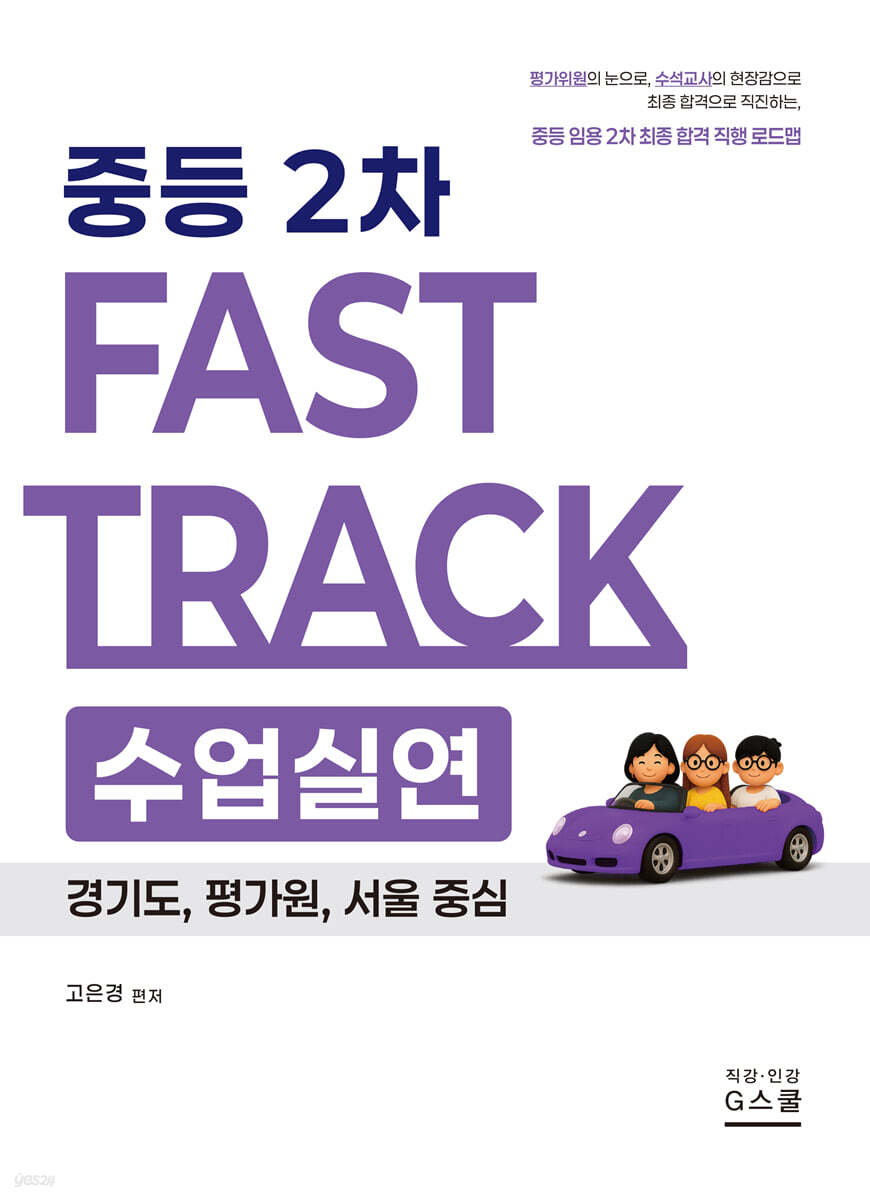
2026 Eun-Kyung Ko 2nd Fast Track Classroom Demonstration Middle School
 |
Description
index
Start Line - Enter the class demonstration track
1.
The Meaning and Evaluation Direction of Classroom Demonstration 16
2.
Changes in Curriculum, Classes, and Assessment 19
3.
Class Benchmarks: Comparing Learning Objectives and Achievement Standards 20
4.
21 Things You Need to Know to Become a Good Teacher
5.
Understanding Future Classes 22
6.
Checklist 23
7.
Analysis of Recent Exam Trends (2020-2024) 24
8.
Good Class 26
9.
32 Types of Regional Classroom Practice Questions
10.
36 Characteristics of Secondary School Subject-Specific Classroom Demonstrations
11.
Examples of Middle School Subject-Specific Classroom Practices (In-Depth Classes) 38
12.
Creating a "Mind Field" for Classroom Practice 40
13.
'Class Expertise' for Classroom Practice 42
Road 1 Turbo Booster - Intermediate Common Strategy
1.
Classroom Practice: Universal Answer Structure (Introduction, Development, Summary) 46
2.
Analysis of the Grading Criteria (High Scores vs. Negative Points) 53
3.
67 Lesson Design Methods that Demonstrate Subject Matter Expertise
4.
Basic Framework for Writing a Course Curriculum 69
5.
How to Write a Course Plan 72
6.
Course Curriculum Evaluation 74
7.
The Art of Introductory Questions 76
8.
83 Questioning Strategies to Provoke Inquiry Thinking
9.
Practical Presentation Speech Example 86
10.
Example 87 of Practical Presentation Methods
11.
Practical Teacher Skills for Using the Classroom, Board, and Media 94
12.
Example of Class Activities, 97
13.
Effective Feedback 102
14.
Teacher Feedback Based on Student Comments 105
15.
Solving Problems in Class 109
16.
Design Strategies for Connecting Assessment and Instruction 111
17.
Key Points for Each Lesson Level 113
Road 2 Turbo Booster - A must-have item for perfect class scores
1.
Developing Teaching Skills 116
2.
Teaching Skills Development Workbook 118
3.
122 Character Elements to Incorporate into Classrooms
4.
124: Creating a Teacher's Image in a Broken Heart
5.
Understanding Policy and Reflecting on Classroom Practice 126
6.
2022 Revised Curriculum and Classroom Practice 139
7.
Lesson Design Using a Concept-Based Curriculum 153
8.
Deep understanding and application of lessons 160
9.
174 to have in-depth classes
10.
Concept-Based Inquiry Lesson Design (Example) 177
11.
Classroom with Questions (Seoul) 180
12.
Question Class Design 182
13.
Student-tailored classes (Gyeonggi-do example) 185
14.
Classroom Language, Nonverbal Expressions 186
15.
Student-tailored lesson plan (example) 193
16.
Competency-Based Curriculum 206
17.
Competency-Based Class 208
18.
Integration of Curriculum, Classes, and Assessment 209
19.
Assessment for Student Growth 211
20.
Creative Convergence Education 213
21.
Discussion. Discussion Class 215
22.
Concept-Based Curriculum and Instruction 218
23.
EdTech Class 224
24.
Curriculum Restructuring Lesson Example 227
Road 3 - Analysis and Interpretation of Past Exam Questions (Secondary)
1.
Differences by Examiner 232
2.
Past Exam Questions and Practice Features 233
3.
Special characteristics of the Seoul-Gyeonggi region 234
4.
Subject/Region-Specific Characteristics 235
5.
Analysis of past exam questions and examples of classroom demonstrations 243
Road 4 Navigator's Extra Map - Secondary Classroom Design and Implementation Strategies
1.
Teaching and Learning Process Grading Sheet 306
2.
Reflective Reflection 309
3.
Classroom Demonstration Template Example 1-2 314
4.
Instructional Design Competency 330
5.
Lesson Design Competency Scenario (Example) 333
6.
Lesson Design Competency - Expected Questions and Answers 340
7.
In-depth lesson step-by-step design process 342
8.
Concept-Based Curriculum Lesson Design 344
9.
Conceptual Network-Based Teaching and Learning Design 347
10.
Designing Instruction and Assessment with Inquiry Questions 349
11.
Competency-Based Curriculum and Competency-Based Classes 351
12.
Learning-Centered Class 353
13.
Creative Convergence Class 355
14.
Seoul City's Questionable Classroom, Happy Class 359
15.
Student-Centered Instruction 361
16.
Lesson 363 in the Post-Corona Era
WINNER Zone - Secret Notes from Successful Candidates
1.
'Classroom Demonstration' with Teaching Philosophy 368
2.
In-depth classes and teaching philosophy 374
3.
Good Teaching Philosophy & Good Classes 375
4.
Good Classes and Teacher Growth 378
5.
1 Minute Introduction, 2 Minutes Conclusion - Secret Strategies for Passing the Exam 382
6.
Classroom Demonstration Checklist 385
7.
386 teachers the evaluators would like to select
supplement
1.
2022 Revised Curriculum and Good Classes 388
2.
Case Study 399: A Senior Teacher's Classroom Coaching
3.
2022 Curriculum and Classroom Practice 403
4.
Curriculum Literacy and Instructional Design 406
5.
Educational Policy and Curriculum 408
6.
Reflective Reflection (Seoul) 419
7.
Collection of Successful Candidates' Essays 424
8.
Employment Examination Procedure (Gyeonggi-do Example) 428
1.
The Meaning and Evaluation Direction of Classroom Demonstration 16
2.
Changes in Curriculum, Classes, and Assessment 19
3.
Class Benchmarks: Comparing Learning Objectives and Achievement Standards 20
4.
21 Things You Need to Know to Become a Good Teacher
5.
Understanding Future Classes 22
6.
Checklist 23
7.
Analysis of Recent Exam Trends (2020-2024) 24
8.
Good Class 26
9.
32 Types of Regional Classroom Practice Questions
10.
36 Characteristics of Secondary School Subject-Specific Classroom Demonstrations
11.
Examples of Middle School Subject-Specific Classroom Practices (In-Depth Classes) 38
12.
Creating a "Mind Field" for Classroom Practice 40
13.
'Class Expertise' for Classroom Practice 42
Road 1 Turbo Booster - Intermediate Common Strategy
1.
Classroom Practice: Universal Answer Structure (Introduction, Development, Summary) 46
2.
Analysis of the Grading Criteria (High Scores vs. Negative Points) 53
3.
67 Lesson Design Methods that Demonstrate Subject Matter Expertise
4.
Basic Framework for Writing a Course Curriculum 69
5.
How to Write a Course Plan 72
6.
Course Curriculum Evaluation 74
7.
The Art of Introductory Questions 76
8.
83 Questioning Strategies to Provoke Inquiry Thinking
9.
Practical Presentation Speech Example 86
10.
Example 87 of Practical Presentation Methods
11.
Practical Teacher Skills for Using the Classroom, Board, and Media 94
12.
Example of Class Activities, 97
13.
Effective Feedback 102
14.
Teacher Feedback Based on Student Comments 105
15.
Solving Problems in Class 109
16.
Design Strategies for Connecting Assessment and Instruction 111
17.
Key Points for Each Lesson Level 113
Road 2 Turbo Booster - A must-have item for perfect class scores
1.
Developing Teaching Skills 116
2.
Teaching Skills Development Workbook 118
3.
122 Character Elements to Incorporate into Classrooms
4.
124: Creating a Teacher's Image in a Broken Heart
5.
Understanding Policy and Reflecting on Classroom Practice 126
6.
2022 Revised Curriculum and Classroom Practice 139
7.
Lesson Design Using a Concept-Based Curriculum 153
8.
Deep understanding and application of lessons 160
9.
174 to have in-depth classes
10.
Concept-Based Inquiry Lesson Design (Example) 177
11.
Classroom with Questions (Seoul) 180
12.
Question Class Design 182
13.
Student-tailored classes (Gyeonggi-do example) 185
14.
Classroom Language, Nonverbal Expressions 186
15.
Student-tailored lesson plan (example) 193
16.
Competency-Based Curriculum 206
17.
Competency-Based Class 208
18.
Integration of Curriculum, Classes, and Assessment 209
19.
Assessment for Student Growth 211
20.
Creative Convergence Education 213
21.
Discussion. Discussion Class 215
22.
Concept-Based Curriculum and Instruction 218
23.
EdTech Class 224
24.
Curriculum Restructuring Lesson Example 227
Road 3 - Analysis and Interpretation of Past Exam Questions (Secondary)
1.
Differences by Examiner 232
2.
Past Exam Questions and Practice Features 233
3.
Special characteristics of the Seoul-Gyeonggi region 234
4.
Subject/Region-Specific Characteristics 235
5.
Analysis of past exam questions and examples of classroom demonstrations 243
Road 4 Navigator's Extra Map - Secondary Classroom Design and Implementation Strategies
1.
Teaching and Learning Process Grading Sheet 306
2.
Reflective Reflection 309
3.
Classroom Demonstration Template Example 1-2 314
4.
Instructional Design Competency 330
5.
Lesson Design Competency Scenario (Example) 333
6.
Lesson Design Competency - Expected Questions and Answers 340
7.
In-depth lesson step-by-step design process 342
8.
Concept-Based Curriculum Lesson Design 344
9.
Conceptual Network-Based Teaching and Learning Design 347
10.
Designing Instruction and Assessment with Inquiry Questions 349
11.
Competency-Based Curriculum and Competency-Based Classes 351
12.
Learning-Centered Class 353
13.
Creative Convergence Class 355
14.
Seoul City's Questionable Classroom, Happy Class 359
15.
Student-Centered Instruction 361
16.
Lesson 363 in the Post-Corona Era
WINNER Zone - Secret Notes from Successful Candidates
1.
'Classroom Demonstration' with Teaching Philosophy 368
2.
In-depth classes and teaching philosophy 374
3.
Good Teaching Philosophy & Good Classes 375
4.
Good Classes and Teacher Growth 378
5.
1 Minute Introduction, 2 Minutes Conclusion - Secret Strategies for Passing the Exam 382
6.
Classroom Demonstration Checklist 385
7.
386 teachers the evaluators would like to select
supplement
1.
2022 Revised Curriculum and Good Classes 388
2.
Case Study 399: A Senior Teacher's Classroom Coaching
3.
2022 Curriculum and Classroom Practice 403
4.
Curriculum Literacy and Instructional Design 406
5.
Educational Policy and Curriculum 408
6.
Reflective Reflection (Seoul) 419
7.
Collection of Successful Candidates' Essays 424
8.
Employment Examination Procedure (Gyeonggi-do Example) 428
GOODS SPECIFICS
- Date of issue: October 29, 2025
- Page count, weight, size: 432 pages | 190*260*30mm
- ISBN13: 9791173560682
- ISBN10: 1173560688
You may also like
카테고리
korean


korean

![GQ KOREA Mark (Monthly): December [2025]](http://librairie.coreenne.fr/cdn/shop/files/8ef265dbbfbf186523ed75ba7319009d.jpg?v=1765340328&width=3840)


