

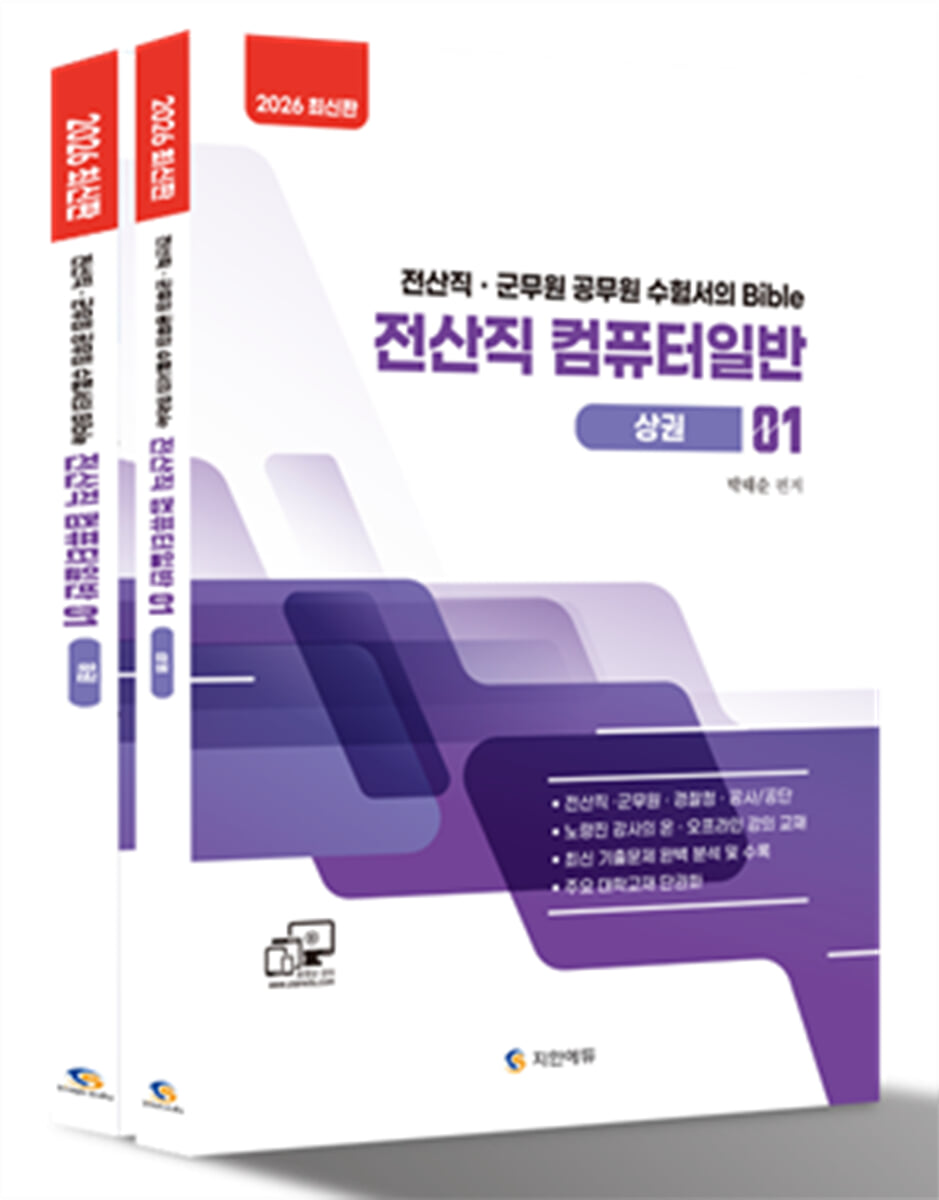
2026 Computer Science General Computer Top and Bottom Set
 |
Description
Book Introduction
The 21st century is truly a knowledge-based society. In this vast information-rich society, the ability to collect, refine, and utilize information you need through various media is recognized as a key differentiating factor in your competitive edge.
The process of gathering and refining the information you need and turning it into your own knowledge is a huge, difficult, and confusing task for all test-takers.
Gian Computer General has watched with sympathy the many students who struggle with trial and error during their exam preparation journey. We decided to write this book to more effectively convey the know-how and high-quality materials we have accumulated through our many years of teaching at academies.
The process of gathering and refining the information you need and turning it into your own knowledge is a huge, difficult, and confusing task for all test-takers.
Gian Computer General has watched with sympathy the many students who struggle with trial and error during their exam preparation journey. We decided to write this book to more effectively convey the know-how and high-quality materials we have accumulated through our many years of teaching at academies.
- You can preview some of the book's contents.
Preview
index
-Commercial area-
PART 01 Computer Architecture
Chapter 1 How Computers Work
Lesson 01 The Evolution of Computers
Lesson 02 Boolean Algebra
Lesson 03 Simplifying Logical Expressions
Lesson 04 Logic Circuits
Lesson 05 Combinational Logic Circuits
Lesson 06 Sequential Logic Circuits
Chapter 2 Presentation of Data
Lesson 07 Data Composition / Conversion of Bases
Lesson 08 Fixed-Point Numbers
Lesson 09 Floating Point Numbers
Lesson 10 Text Material
Lesson 11 Types of Operations
Chapter 3 Central Processing Unit
Lesson 12 Components of a Computer System
Lesson 13 Control and Computing Units
Lesson 14 Commands
Lesson 15 Addressing Methods
Lesson 16 Command Execution and Control
Lesson 17 Micro Operations
Chapter 4 Memory Devices
Lesson 18: The Concept of Memory
Lesson 19 Special Memory Devices
Lesson 20 Auxiliary Memory Devices
Chapter 5 Input/Output Devices
Lesson 21 DMA and Channels
Lesson 22 Interrupts
Lesson 23 Input/Output Interfaces
Chapter 6 Parallel Processing
Lesson 24 Parallel Computer Architecture
PART 02 Operating System
Chapter 1: Operating System Concepts
Lesson 25: Operating System Concepts
Lesson 26 Types of OS, Input/Output Methods, and Virtual Machines
Chapter 2 Process Management
Lesson 27 Processes and Threads
Lesson 28 Process Scheduling
Lesson 29 Interprocess Synchronization
Lesson 30 Deadlock
Chapter 3 Memory Management
Lesson 31: Memory Allocation Techniques and Management Policies
Lesson 32: Implementing Virtual Memory
Lesson 33 Page Replacement Technique
Chapter 4 Information Management
Lesson 34 File Management System
Chapter 5 Unix
Lesson 35 Unix
PART 03 Database
Chapter 1 Database Systems
Lesson 36 Databases and DBMS
Lesson 37: Configuring a Database System
Chapter 2 Data Modeling
Lesson 38 Data Model
Chapter 3 Relational Data Model
Lesson 39 Relational Data Structures
Lesson 40: Relational Data Operations
Chapter 4 Relational Database Language
Lesson 41: SQL Concepts, SQL Definition Language
Lesson 42 SQL Manipulators
Lesson 43 View
Chapter 5 Normalization
Lesson 44 Normalization
Chapter 6 Advanced Databases
Lesson 45 Transactions / Failure and Recovery / Concurrency Control
Lesson 46 Distributed Databases
PART 04 Software Engineering
Chapter 1 Software Engineering Concepts
Lesson 47 Software Life Cycle 1
Lesson 48: Software Life Cycle 2
Chapter 2 Project Management
Lesson 49: Cost, Schedule, and Risk Management
Chapter 3 Quality Assurance and Configuration Management
Lesson 50 Quality Assurance / Configuration Management
Chapter 4 Requirements Analysis and Design
Lesson 51: Requirements Analysis
Lesson 52 Software Design
Chapter 5 Object-Oriented Paradigm
Lesson 53 Object-Oriented Concepts
Lesson 54 UML / Design Pattern
Chapter 6 Test
Lesson 55 Testing Techniques
Lesson 56: Testing Strategies
Chapter 7 Maintenance and Reengineering
Lesson 57 Maintenance / Reengineering / CASE
-Volume 2-
PART 05 DATA COMMUNICATION
Chapter 1 Concepts of Data Communication
Lesson 58 Transmission Format
Chapter 2 Information Control Methods
Lesson 59 Transmission Methods
Chapter 3 OSI Reference Model
Lesson 60 OSI 7 Layers
Chapter 4 Data Circuit Networks
Lesson 61 Exchange Methods
Lesson 62 LAN
Chapter 5 Multimedia
Lesson 63: The Concept of Multimedia
PART 06 Internet
Chapter 1 Internet in General
Lesson 64 TCP/IP Protocol
Lesson 65 IPv4
Lesson 66 IPv6
Chapter 2 Internet Services
Lesson 67 Internet Access Services
Lesson 68: New IT Technology Terminology
Chapter 3 Web Interface
Lesson 69 Web Services and Scripts
Chapter 4 Network Security
Lesson 70 Internet Security
Lesson 71 Security Technologies
PART 07 Data Structures
Chapter 1 Data Structure Concepts
Lesson 72: Data Structure Concepts
Chapter 2 Arrays and Linked Lists
Lesson 73 Arrays
Lesson 74 Linked Lists
Chapter 3 Stacks and Queues
Lesson 75 Stack
Lesson 76 Queue
Chapter 4 Trees and Graphs
Lesson 77 Tree 1
Lesson 78 Tree 2
Lesson 79 Graphs
Chapter 5 Sorting
Lesson 80 Sorting 1
Lesson 81 Sorting 2
Chapter 6 Search
Lesson 82 Search
Lesson 83 Hashing
Lesson 84: Search Structure
PART 08 PL(Programming Language)
Chapter 1 C Language
Lesson 85 C Language
Chapter 2 JAVA
Lesson 86 JAVA
Chapter 3 Python
Lesson 87 Python
PART 01 Computer Architecture
Chapter 1 How Computers Work
Lesson 01 The Evolution of Computers
Lesson 02 Boolean Algebra
Lesson 03 Simplifying Logical Expressions
Lesson 04 Logic Circuits
Lesson 05 Combinational Logic Circuits
Lesson 06 Sequential Logic Circuits
Chapter 2 Presentation of Data
Lesson 07 Data Composition / Conversion of Bases
Lesson 08 Fixed-Point Numbers
Lesson 09 Floating Point Numbers
Lesson 10 Text Material
Lesson 11 Types of Operations
Chapter 3 Central Processing Unit
Lesson 12 Components of a Computer System
Lesson 13 Control and Computing Units
Lesson 14 Commands
Lesson 15 Addressing Methods
Lesson 16 Command Execution and Control
Lesson 17 Micro Operations
Chapter 4 Memory Devices
Lesson 18: The Concept of Memory
Lesson 19 Special Memory Devices
Lesson 20 Auxiliary Memory Devices
Chapter 5 Input/Output Devices
Lesson 21 DMA and Channels
Lesson 22 Interrupts
Lesson 23 Input/Output Interfaces
Chapter 6 Parallel Processing
Lesson 24 Parallel Computer Architecture
PART 02 Operating System
Chapter 1: Operating System Concepts
Lesson 25: Operating System Concepts
Lesson 26 Types of OS, Input/Output Methods, and Virtual Machines
Chapter 2 Process Management
Lesson 27 Processes and Threads
Lesson 28 Process Scheduling
Lesson 29 Interprocess Synchronization
Lesson 30 Deadlock
Chapter 3 Memory Management
Lesson 31: Memory Allocation Techniques and Management Policies
Lesson 32: Implementing Virtual Memory
Lesson 33 Page Replacement Technique
Chapter 4 Information Management
Lesson 34 File Management System
Chapter 5 Unix
Lesson 35 Unix
PART 03 Database
Chapter 1 Database Systems
Lesson 36 Databases and DBMS
Lesson 37: Configuring a Database System
Chapter 2 Data Modeling
Lesson 38 Data Model
Chapter 3 Relational Data Model
Lesson 39 Relational Data Structures
Lesson 40: Relational Data Operations
Chapter 4 Relational Database Language
Lesson 41: SQL Concepts, SQL Definition Language
Lesson 42 SQL Manipulators
Lesson 43 View
Chapter 5 Normalization
Lesson 44 Normalization
Chapter 6 Advanced Databases
Lesson 45 Transactions / Failure and Recovery / Concurrency Control
Lesson 46 Distributed Databases
PART 04 Software Engineering
Chapter 1 Software Engineering Concepts
Lesson 47 Software Life Cycle 1
Lesson 48: Software Life Cycle 2
Chapter 2 Project Management
Lesson 49: Cost, Schedule, and Risk Management
Chapter 3 Quality Assurance and Configuration Management
Lesson 50 Quality Assurance / Configuration Management
Chapter 4 Requirements Analysis and Design
Lesson 51: Requirements Analysis
Lesson 52 Software Design
Chapter 5 Object-Oriented Paradigm
Lesson 53 Object-Oriented Concepts
Lesson 54 UML / Design Pattern
Chapter 6 Test
Lesson 55 Testing Techniques
Lesson 56: Testing Strategies
Chapter 7 Maintenance and Reengineering
Lesson 57 Maintenance / Reengineering / CASE
-Volume 2-
PART 05 DATA COMMUNICATION
Chapter 1 Concepts of Data Communication
Lesson 58 Transmission Format
Chapter 2 Information Control Methods
Lesson 59 Transmission Methods
Chapter 3 OSI Reference Model
Lesson 60 OSI 7 Layers
Chapter 4 Data Circuit Networks
Lesson 61 Exchange Methods
Lesson 62 LAN
Chapter 5 Multimedia
Lesson 63: The Concept of Multimedia
PART 06 Internet
Chapter 1 Internet in General
Lesson 64 TCP/IP Protocol
Lesson 65 IPv4
Lesson 66 IPv6
Chapter 2 Internet Services
Lesson 67 Internet Access Services
Lesson 68: New IT Technology Terminology
Chapter 3 Web Interface
Lesson 69 Web Services and Scripts
Chapter 4 Network Security
Lesson 70 Internet Security
Lesson 71 Security Technologies
PART 07 Data Structures
Chapter 1 Data Structure Concepts
Lesson 72: Data Structure Concepts
Chapter 2 Arrays and Linked Lists
Lesson 73 Arrays
Lesson 74 Linked Lists
Chapter 3 Stacks and Queues
Lesson 75 Stack
Lesson 76 Queue
Chapter 4 Trees and Graphs
Lesson 77 Tree 1
Lesson 78 Tree 2
Lesson 79 Graphs
Chapter 5 Sorting
Lesson 80 Sorting 1
Lesson 81 Sorting 2
Chapter 6 Search
Lesson 82 Search
Lesson 83 Hashing
Lesson 84: Search Structure
PART 08 PL(Programming Language)
Chapter 1 C Language
Lesson 85 C Language
Chapter 2 JAVA
Lesson 86 JAVA
Chapter 3 Python
Lesson 87 Python
Publisher's Review
* Features of this textbook
Complete analysis and inclusion of past exam questions
The past exam questions have been thoroughly analyzed to ensure a solid understanding of the concepts by inserting them into the relevant theoretical sections and understanding the types of past exam questions for the recent national, local, Seoul Metropolitan Government, Office of Education, Military, National Assembly, National Police Agency, and Accounting exams (2025-2015).
Insert previous questions into the text
The past exam questions inserted in the text are organized so that you can check the latest past exam questions right away while listening to the lecture by including questions from the most recent past exam questions that match the content of the text.
True or False Quiz
We have included the main concepts of the problems from previous years as true or false questions so that you can check them.
Explanation of difficult terms
We have organized the content so that you can learn more easily and quickly by separately explaining difficult-to-understand terms during learning.
Single volume of major university textbooks
Recently, many of the questions in the previous exams have been related to operating systems, data structures, and software engineering, so we've supplemented this section. Furthermore, to help test-takers easily determine their learning direction, we've decentralized the questions by part, enabling step-by-step or part-by-part learning.
* Recent exam trends
The scope of past exam questions continues to expand.
The scope of questions continues to expand in proportion to the popularity and competition rate of civil service exams.
Until 2015, questions on computer architecture and operating systems were mainly asked, but recently, questions from various fields have begun to appear, and in particular, the frequency of questions on data structures, software engineering, data communications, the Internet, and C language/Java is gradually increasing.
Questions that require understanding of concepts rather than simple memorization are often asked.
An analysis of recent exam questions reveals that questions that mix new technology trends, theory, and practice are occasionally asked, and data structures and software engineering are particularly prominent.
Therefore, it is necessary to carefully organize the terms that have recently become issues, and study with a focus on broad conceptual understanding rather than simple memorization of the content.
* Book structure and usage
1) Commercial Area (PART 1 - Computer Architecture, PART 2 - Operating System, PART 3 - Database, PART 4 - Software Engineering)
It consists of a total of 8 parts (Part 5 - Data Communication, Part 6 - Internet, Part 7 - Data Structure, Part 8 - C Language/Java).
2) Each part is composed of learning keywords, learning focus, basic theory summary according to exam trends, and confirmation questions.
① The study keywords and study focus points are designed to provide students with a study direction by providing guidance on what to focus on, taking into account the frequency of questions.
② The basic theory has been thoroughly analyzed, summarized, and organized from major university textbooks into a single volume, allowing test takers preparing for IT, military, accounting, National Assembly, and police exams to see the greatest effect in the shortest period of time.
③ Each part begins with a chart showing the percentage of questions on the latest five-year major exams for IT and accounting positions and the number of questions on the major exams from 2021 to 2025, explaining the trends in past exams and organizing it for easy learning with frequently appearing keywords.
④ It is designed to help you organize your learning by including past exam questions that can confirm the theories you have learned.
* Acknowledgements
The technical and theoretical background of this textbook was written based on the writings of many professors.
Just as I was able to meet such a precious companion during my long writing period, I hope this book will serve as a valuable companion, like a compass, to all of you during your arduous exam preparation period. I sincerely hope that all of you who use this book will pass your exams.
Finally, I would like to express my gratitude to the many successful candidates who helped me proofread this book, and to all the staff at Gian Edu who provided valuable support, both material and spiritual, in the process of publishing this book.
thank you
Complete analysis and inclusion of past exam questions
The past exam questions have been thoroughly analyzed to ensure a solid understanding of the concepts by inserting them into the relevant theoretical sections and understanding the types of past exam questions for the recent national, local, Seoul Metropolitan Government, Office of Education, Military, National Assembly, National Police Agency, and Accounting exams (2025-2015).
Insert previous questions into the text
The past exam questions inserted in the text are organized so that you can check the latest past exam questions right away while listening to the lecture by including questions from the most recent past exam questions that match the content of the text.
True or False Quiz
We have included the main concepts of the problems from previous years as true or false questions so that you can check them.
Explanation of difficult terms
We have organized the content so that you can learn more easily and quickly by separately explaining difficult-to-understand terms during learning.
Single volume of major university textbooks
Recently, many of the questions in the previous exams have been related to operating systems, data structures, and software engineering, so we've supplemented this section. Furthermore, to help test-takers easily determine their learning direction, we've decentralized the questions by part, enabling step-by-step or part-by-part learning.
* Recent exam trends
The scope of past exam questions continues to expand.
The scope of questions continues to expand in proportion to the popularity and competition rate of civil service exams.
Until 2015, questions on computer architecture and operating systems were mainly asked, but recently, questions from various fields have begun to appear, and in particular, the frequency of questions on data structures, software engineering, data communications, the Internet, and C language/Java is gradually increasing.
Questions that require understanding of concepts rather than simple memorization are often asked.
An analysis of recent exam questions reveals that questions that mix new technology trends, theory, and practice are occasionally asked, and data structures and software engineering are particularly prominent.
Therefore, it is necessary to carefully organize the terms that have recently become issues, and study with a focus on broad conceptual understanding rather than simple memorization of the content.
* Book structure and usage
1) Commercial Area (PART 1 - Computer Architecture, PART 2 - Operating System, PART 3 - Database, PART 4 - Software Engineering)
It consists of a total of 8 parts (Part 5 - Data Communication, Part 6 - Internet, Part 7 - Data Structure, Part 8 - C Language/Java).
2) Each part is composed of learning keywords, learning focus, basic theory summary according to exam trends, and confirmation questions.
① The study keywords and study focus points are designed to provide students with a study direction by providing guidance on what to focus on, taking into account the frequency of questions.
② The basic theory has been thoroughly analyzed, summarized, and organized from major university textbooks into a single volume, allowing test takers preparing for IT, military, accounting, National Assembly, and police exams to see the greatest effect in the shortest period of time.
③ Each part begins with a chart showing the percentage of questions on the latest five-year major exams for IT and accounting positions and the number of questions on the major exams from 2021 to 2025, explaining the trends in past exams and organizing it for easy learning with frequently appearing keywords.
④ It is designed to help you organize your learning by including past exam questions that can confirm the theories you have learned.
* Acknowledgements
The technical and theoretical background of this textbook was written based on the writings of many professors.
Just as I was able to meet such a precious companion during my long writing period, I hope this book will serve as a valuable companion, like a compass, to all of you during your arduous exam preparation period. I sincerely hope that all of you who use this book will pass your exams.
Finally, I would like to express my gratitude to the many successful candidates who helped me proofread this book, and to all the staff at Gian Edu who provided valuable support, both material and spiritual, in the process of publishing this book.
thank you
GOODS SPECIFICS
- Date of issue: July 15, 2025
- Page count, weight, size: 536 pages | Checking size
- ISBN13: 9788966112951
- ISBN10: 8966112951
You may also like
카테고리
korean


korean

![GQ KOREA Mark (Monthly): December [2025]](http://librairie.coreenne.fr/cdn/shop/files/8ef265dbbfbf186523ed75ba7319009d.jpg?v=1765340328&width=3840)


