

Trot and Enka
 |
Description
Book Introduction
A History of Korean-Japanese Relations in Popular Music: A Look at Its Sensibility and Translation
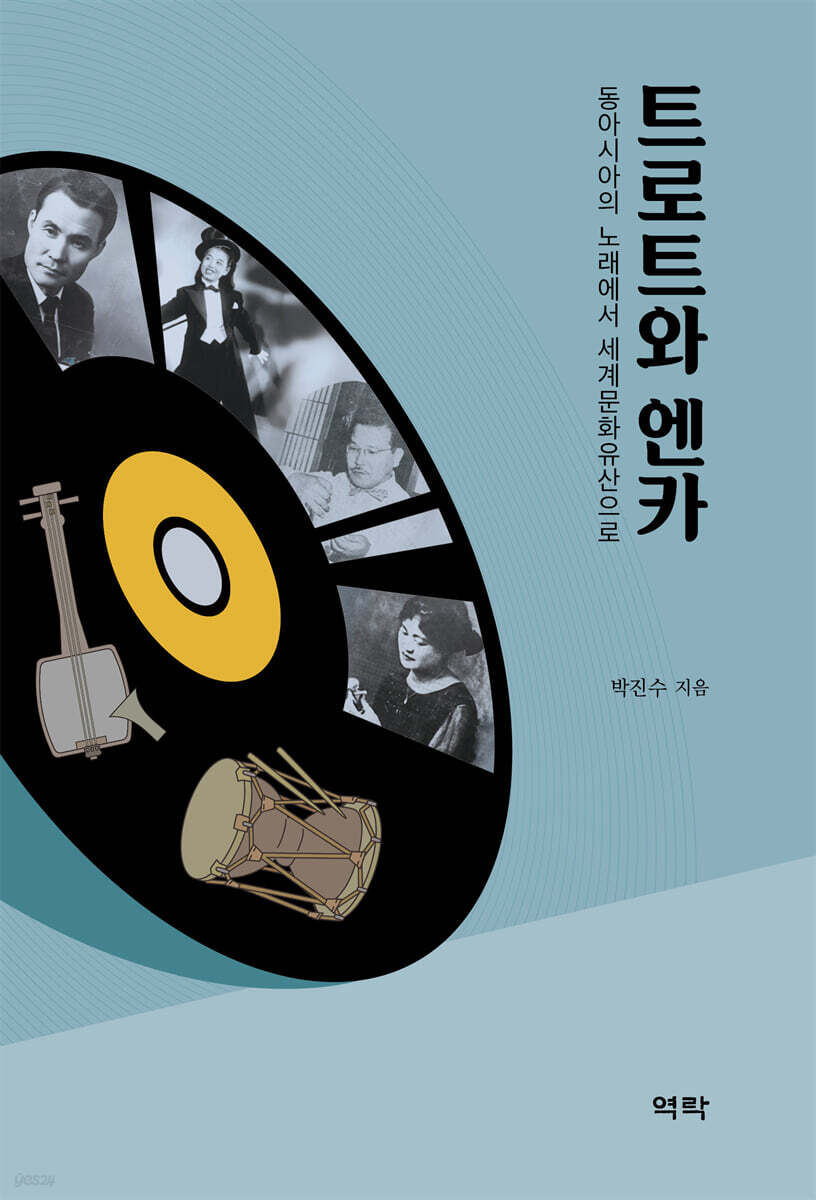
If Korea has trot, Japan has enka.
In Korea, trot was once looked down upon as a Japanese-style song, and in Japan, on the contrary, the perception that enka originated in Korea spread.
Today, these two genres have established themselves as representative traditional popular music in Korea and Japan, each embodying the 'unique' emotions of their respective people.
Rather than saying that these things are wrong or incorrect, it is the result of cultural nationalism that has arisen because both countries have interpreted and passed down the same musical assets differently within their own historical twists and turns and aesthetic sensibilities.
Looking at it this way, the question of which came first, trot or enka, or which is the origin, is meaningless.
The two genres developed on the same foundation and have reflected and varied each other, and are, if I may say so, 'twin genres' as the two major axes of East Asian popular music history.
These characteristics are an important key to understanding the history of popular music in both countries.
This book is an attempt to reconstruct the discourse on the history of Korean and Japanese popular music, focusing on the keywords of “sensibility and translation” regarding trot and enka.
'Emotion' is an emotional code that encapsulates the experiences of the times and society, beyond the mood or genre of the song, and 'translation' refers to a cultural creative act that recontextualizes the song and emotion, not just a language conversion.
Here, we traverse the history of popular music spanning over 140 years, from hymns, military music, and translated songs of the late 19th and early 20th centuries, to educational songs, children's songs, and songs, through the formation of popular songs or ballads, and the establishment of trot and enka, and even the future prospects for cultural exchange between Korea and Japan.
Each chapter was refined to have a consistent flow through editing and supplementing the content, reorganizing by topic, and connecting descriptions based on individual research papers.
If Korea has trot, Japan has enka.
In Korea, trot was once looked down upon as a Japanese-style song, and in Japan, on the contrary, the perception that enka originated in Korea spread.
Today, these two genres have established themselves as representative traditional popular music in Korea and Japan, each embodying the 'unique' emotions of their respective people.
Rather than saying that these things are wrong or incorrect, it is the result of cultural nationalism that has arisen because both countries have interpreted and passed down the same musical assets differently within their own historical twists and turns and aesthetic sensibilities.
Looking at it this way, the question of which came first, trot or enka, or which is the origin, is meaningless.
The two genres developed on the same foundation and have reflected and varied each other, and are, if I may say so, 'twin genres' as the two major axes of East Asian popular music history.
These characteristics are an important key to understanding the history of popular music in both countries.
This book is an attempt to reconstruct the discourse on the history of Korean and Japanese popular music, focusing on the keywords of “sensibility and translation” regarding trot and enka.
'Emotion' is an emotional code that encapsulates the experiences of the times and society, beyond the mood or genre of the song, and 'translation' refers to a cultural creative act that recontextualizes the song and emotion, not just a language conversion.
Here, we traverse the history of popular music spanning over 140 years, from hymns, military music, and translated songs of the late 19th and early 20th centuries, to educational songs, children's songs, and songs, through the formation of popular songs or ballads, and the establishment of trot and enka, and even the future prospects for cultural exchange between Korea and Japan.
Each chapter was refined to have a consistent flow through editing and supplementing the content, reorganizing by topic, and connecting descriptions based on individual research papers.
index
Part I: The Emotional Foundations of Korean and Japanese Popular Music
Introduction: What is the relationship between Korean and Japanese popular music?
Section 1. Terminology of Korean and Japanese popular music
Section 2: Borders and Popular Music
Section 3: Translated Texts as Cultural Media
Chapter 1: The Literary Character of Modern Japanese Translated Songs
Section 1: The process of establishing the first edition of "Sohakchanggajip"
Section 2: Selection of music from Rousseau's composition "Looking Afar"
Section 3: The Viewpoint and Landscape of Waka and Changga
Chapter 2: Differences between Korean and Japanese in the Concept of "Nursery Song" and Acceptance of Translations
Section 1: Korean 'Dongyo' and Japanese 'Toyo'
Section 2: The concept and context of "dongyo" shared between Korea and Japan
"Butterfly," from "Window" to "Children's Song" in Section 3
Chapter 3: Translation and Cultural Nationalism
Section 1: Introduction to Western Music and Translated Songs
Section 2: The Reception of Auld Lang Syne and Patriotic Sentiment
Section 3: "Bandi" as the Language and Text of Nationalism
Part II: The Formation of Korean-Japanese Popular Music and the Cultural History of Translation
Chapter 4: The Formation and Translation of Popular Songs
Section 1: Japanese Popular Song No. 1 "Katyusha's Song"
Section 2: Harmony of Western Melody and Japanese Emotion
Section 3: The Korean Acceptance of "Western Japan"
Chapter 5: Translating the Translation
Section 1: The Many Levels of Translation and Adaptation
Section 2: The Age of Songs - "Railroad Song" and "Student Song"
Section 3: Translating the theme song of the adapted novel - "Jang Han-mong-ga"
Chapter 6: Trends in Translation, Trends in Translation
Section 1: The Age of Fashion "Hymn of Death" and "Tokyo March"
Section 2: Translation of the Trend: "Is Alcohol a Tears or a Sigh?"
Section 3: The Trend of Translation "Tears of Mokpo"
Part III: Korean and Japanese Popular Music as Trot and Enka
Chapter 7: Hibari Misora, the "spiritual home" of postwar Japanese
Section 1: 'River' and 'Hometown' as Metaphors "Like a Flowing River"
The Harmony of Dissonance Inherent in Section 2, "Sad Whistles"
Section 3: Dreams and Freedom Before and After "Tokyo Kid"
Chapter 8: The Korean Wave of the 1970s and 1980s and the Emotion of "Parting"
Section 1 Popular Music and Korea-Japan Relations
Section 2: The Intended Effect of an Incomplete Translation: "Heartbreaking"
Section 3: "Come Back to Busan Port" with Human Emotions in a Historical Context
Section 4: The Transcendental Meaning of Language Creation: "Parting"
Chapter 9: Metaphor and Metonymy of Trot Singer-Songwriter Sim Soo-bong
Section 1: Cultural Semiotics of Metaphor and Metonymy
Section 2: The Margins and Metonymic Imagination of "That Person at That Time"
Section 3: The Popularity and Overt Metaphor of "Men Are Ships, Women Are Ports"
The Future of Korean-Japanese Popular Music: An Exchange of "Hearts" Through Song
Section 1: Breaking Down the "Walls of the Heart" Beyond Regulation and Prejudice
Section 2: Commonalities Between Korean and Japanese Songs
Section 3: The Potential of a Trot-Enka Cultural Community
Introduction: What is the relationship between Korean and Japanese popular music?
Section 1. Terminology of Korean and Japanese popular music
Section 2: Borders and Popular Music
Section 3: Translated Texts as Cultural Media
Chapter 1: The Literary Character of Modern Japanese Translated Songs
Section 1: The process of establishing the first edition of "Sohakchanggajip"
Section 2: Selection of music from Rousseau's composition "Looking Afar"
Section 3: The Viewpoint and Landscape of Waka and Changga
Chapter 2: Differences between Korean and Japanese in the Concept of "Nursery Song" and Acceptance of Translations
Section 1: Korean 'Dongyo' and Japanese 'Toyo'
Section 2: The concept and context of "dongyo" shared between Korea and Japan
"Butterfly," from "Window" to "Children's Song" in Section 3
Chapter 3: Translation and Cultural Nationalism
Section 1: Introduction to Western Music and Translated Songs
Section 2: The Reception of Auld Lang Syne and Patriotic Sentiment
Section 3: "Bandi" as the Language and Text of Nationalism
Part II: The Formation of Korean-Japanese Popular Music and the Cultural History of Translation
Chapter 4: The Formation and Translation of Popular Songs
Section 1: Japanese Popular Song No. 1 "Katyusha's Song"
Section 2: Harmony of Western Melody and Japanese Emotion
Section 3: The Korean Acceptance of "Western Japan"
Chapter 5: Translating the Translation
Section 1: The Many Levels of Translation and Adaptation
Section 2: The Age of Songs - "Railroad Song" and "Student Song"
Section 3: Translating the theme song of the adapted novel - "Jang Han-mong-ga"
Chapter 6: Trends in Translation, Trends in Translation
Section 1: The Age of Fashion "Hymn of Death" and "Tokyo March"
Section 2: Translation of the Trend: "Is Alcohol a Tears or a Sigh?"
Section 3: The Trend of Translation "Tears of Mokpo"
Part III: Korean and Japanese Popular Music as Trot and Enka
Chapter 7: Hibari Misora, the "spiritual home" of postwar Japanese
Section 1: 'River' and 'Hometown' as Metaphors "Like a Flowing River"
The Harmony of Dissonance Inherent in Section 2, "Sad Whistles"
Section 3: Dreams and Freedom Before and After "Tokyo Kid"
Chapter 8: The Korean Wave of the 1970s and 1980s and the Emotion of "Parting"
Section 1 Popular Music and Korea-Japan Relations
Section 2: The Intended Effect of an Incomplete Translation: "Heartbreaking"
Section 3: "Come Back to Busan Port" with Human Emotions in a Historical Context
Section 4: The Transcendental Meaning of Language Creation: "Parting"
Chapter 9: Metaphor and Metonymy of Trot Singer-Songwriter Sim Soo-bong
Section 1: Cultural Semiotics of Metaphor and Metonymy
Section 2: The Margins and Metonymic Imagination of "That Person at That Time"
Section 3: The Popularity and Overt Metaphor of "Men Are Ships, Women Are Ports"
The Future of Korean-Japanese Popular Music: An Exchange of "Hearts" Through Song
Section 1: Breaking Down the "Walls of the Heart" Beyond Regulation and Prejudice
Section 2: Commonalities Between Korean and Japanese Songs
Section 3: The Potential of a Trot-Enka Cultural Community
GOODS SPECIFICS
- Date of issue: November 14, 2025
- Page count, weight, size: 288 pages | 153*225*12mm
- ISBN13: 9791173963414
You may also like
카테고리
korean


korean

![GQ KOREA Mark (Monthly): December [2025]](http://librairie.coreenne.fr/cdn/shop/files/8ef265dbbfbf186523ed75ba7319009d.jpg?v=1765340328&width=3840)


