

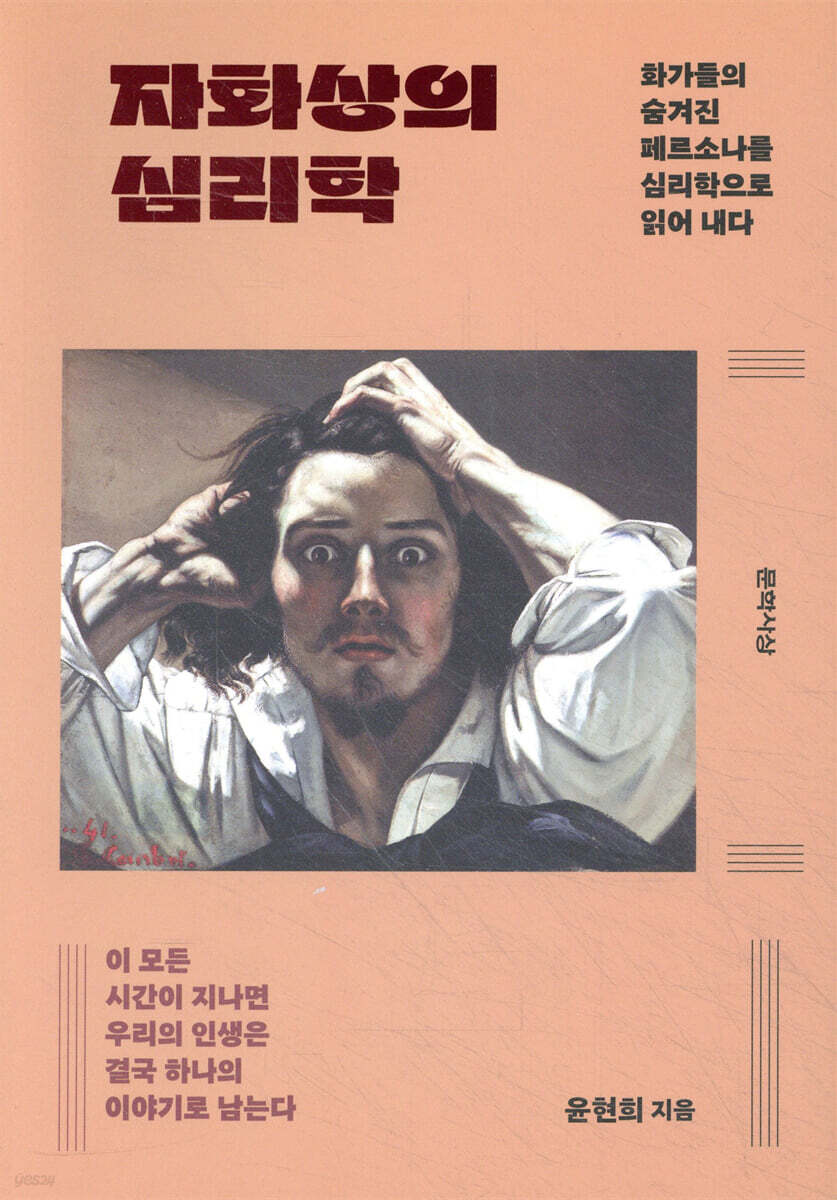
Psychology of Self-Portrait
 |
Description
Book Introduction
The painters' 'self-portraits' contain the pain of the times, the chaos of life, the agony of love, and the spiritual wandering.
The silent message that the work, that face speaks
A deep and entertaining explanation from the perspective of a clinical psychologist.
A fascinating guide to self-discovery that blends history, art, and psychology!
A self-portrait, like an artist's diary, is professionally, deeply, and humorously interpreted through the perspective of a clinical psychologist.
This book, for those seeking to explore the past, explores the lives and art of artists who, with their talent and passion for painting, crossed the river between reality and the ideal, the ideals they achieved, and the personas—self-portraits—they were forced to create.
Therefore, this book can be said to be a theater where a masked play called self-portrait, which painters have performed throughout history, is performed.
In this theater where sixteen mask plays are performed, readers may discover the persona that most resembles them, or they may face the persona they have kept hidden and feel ashamed.
Through this process, I hope that each person can experience the sensory pleasure of the paintings of the masters, while also strengthening the efficient operation of their own being and psychological strength.
The silent message that the work, that face speaks
A deep and entertaining explanation from the perspective of a clinical psychologist.
A fascinating guide to self-discovery that blends history, art, and psychology!
A self-portrait, like an artist's diary, is professionally, deeply, and humorously interpreted through the perspective of a clinical psychologist.
This book, for those seeking to explore the past, explores the lives and art of artists who, with their talent and passion for painting, crossed the river between reality and the ideal, the ideals they achieved, and the personas—self-portraits—they were forced to create.
Therefore, this book can be said to be a theater where a masked play called self-portrait, which painters have performed throughout history, is performed.
In this theater where sixteen mask plays are performed, readers may discover the persona that most resembles them, or they may face the persona they have kept hidden and feel ashamed.
Through this process, I hope that each person can experience the sensory pleasure of the paintings of the masters, while also strengthening the efficient operation of their own being and psychological strength.
- You can preview some of the book's contents.
Preview
index
Entering 4
Part 1: The Confident Self
018 Jan Van Eyck _ A Time Traveler to the Middle Ages
044 Albrecht Dürer _ The Origin of the Selfie, the Artist's Self-Portrait
070 Sophonisba Anguisola _ Wonder Woman of the Renaissance
092 Rembrandt Harmans van Rijn _ How to Understand the Operating System of the Self
112 Diego Velázquez _ Sensitivity to human dignity and equality
Part 2: The Sacred Positive Self
132 Artemisia Gentileschi _ Allegory of Painting
160 Vincent van Gogh _ A solid working artist
182 Henri Matisse _ The Buoyancy of the Heart Crossing the Sea of Pain
208 Paula Modersohn-Becker _ The Common Denominator of Human Memory
228 Frida Kahlo _ The Definition of Righteousness
254 Louise Bourgeois _ Self-portrait for restoration and healing of wounds
Part 3: The Suffering Inner Self
276 Michelangelo Merisi da Caravaggio _ Rhapsody of Light and Darkness
296 Francisco Goya _ The Dark Shadows of Humanity
316 Gustave Courbet _ Portrait of Narcissism
338 Edvard Munch _ Self-Portrait after the Pandemic
356 Egon Schiele _ Psychoanalytic Exploration of the Human Body
Part 1: The Confident Self
018 Jan Van Eyck _ A Time Traveler to the Middle Ages
044 Albrecht Dürer _ The Origin of the Selfie, the Artist's Self-Portrait
070 Sophonisba Anguisola _ Wonder Woman of the Renaissance
092 Rembrandt Harmans van Rijn _ How to Understand the Operating System of the Self
112 Diego Velázquez _ Sensitivity to human dignity and equality
Part 2: The Sacred Positive Self
132 Artemisia Gentileschi _ Allegory of Painting
160 Vincent van Gogh _ A solid working artist
182 Henri Matisse _ The Buoyancy of the Heart Crossing the Sea of Pain
208 Paula Modersohn-Becker _ The Common Denominator of Human Memory
228 Frida Kahlo _ The Definition of Righteousness
254 Louise Bourgeois _ Self-portrait for restoration and healing of wounds
Part 3: The Suffering Inner Self
276 Michelangelo Merisi da Caravaggio _ Rhapsody of Light and Darkness
296 Francisco Goya _ The Dark Shadows of Humanity
316 Gustave Courbet _ Portrait of Narcissism
338 Edvard Munch _ Self-Portrait after the Pandemic
356 Egon Schiele _ Psychoanalytic Exploration of the Human Body
Detailed image

Into the book
When life shifts, or when life presents us with different roles and responsibilities, we must undergo a transformation of self, changing our personas and becoming accustomed to new role-playing.
In the face of unavoidable change, all we are allowed is to hope that the gap between reality and ideals is not too wide, that the new social mask is not too alien.
--- p.8, from “Introduction”
Western painting is a visual record of the development and evolution of civilization, and contains the achievements of human ego and cognitive activity.
If we think about it that way, the period that distinguishes the Middle Ages from the modern era could be said to be the time when art moved from the public sphere to the private sphere.
It is quite surprising that the period in which Van Eyck's precocious ego awakened and he produced independent self-portraits was the early 1400s, in the Middle Ages.
--- p.42, from "Jan Van Eyck"
Dürer, a perfectionist and driven by achievement, advised his students in a book he wrote to “avoid pushing yourself too hard.”
That's advice only someone who has pushed themselves to the limit can give.
Humanity's great achievements are the product of countless individuals working tirelessly and tirelessly to their full potential.
--- p.65, from "Albrecht Dürer"
An Guisola has set a shining example of what a properly educated and honed individual can achieve.
Thanks to a combination of good education, talent, a family atmosphere, and social conditions that favored artists, she was able to easily shake off the constraints of the 16th century and the spatial limitations of her northern Italian origins and soar toward the center of the world.
--- p.88, from "Sophonisba Anguisola"
When we lay aside all the status, fame, wealth, hard-won achievements, and the flashy titles that adorn us, what will define us?
Rembrandt's later, more serious paintings ask these questions about life:
--- p.103, from "Rembrandt Harmans van Rijn"
Above all, the reason we are moved by Van Gogh's paintings is probably because of his honesty in rejecting an era obsessed with materialism and confronting reality head-on with the purity of his faith, his will and fighting spirit that burned his artistic soul in loneliness and desperation, and his tireless love and admiration for humanity.
--- p.180, from "Vincent van Gogh"
Faced with the pain of life, Munch screams with a wounded expression and bleeding.
But with a blank expression, his eyebrows are pressed together and his black eyes stubbornly stare at the audience.
Many of her self-portraits ask, opening their stories with a determined expression, against a backdrop of suffering.
'Are you okay?'
'What are you thinking?'
If that expression isn't 'righteousness', then what is it?
--- p.230, from "Frida Kahlo"
Her artistic philosophy that 'when you can accurately identify your fears and anxieties, you can be free from suffering and be a good person to others' once again shows us a clear path.
--- p.264, from "Louise Bourgeois"
The 'eyes', which contain the most stories, are the part that is drawn with the most care in a self-portrait.
How many stories do Rembrandt's contemplative eyes, which convey the essence of life, Caravaggio's eyes, full of pathos, Dürer's eyes, brimming with heroic self-consciousness, and Schiele's eyes, which unfold inner emotions like a panorama, tell us?
--- p.324, from "Gustave Courbet"
Life is a process of cultivating the time between life and death.
The journey of life may be like the movement of a pendulum, moving between the poles of melancholy and joy, pleasure and pain, fullness and emptiness, joy and sorrow.
The reason we need psychological insight into life is to regulate and control the rhythm and pace of its amplitude.
--- p.353, from "Edvard Munch"
Ultimately, Schiele's artistic world is a coming-of-age drama that documents the impact of adolescent trauma on a young man's self-growth and the process of overcoming it.
In the face of unavoidable change, all we are allowed is to hope that the gap between reality and ideals is not too wide, that the new social mask is not too alien.
--- p.8, from “Introduction”
Western painting is a visual record of the development and evolution of civilization, and contains the achievements of human ego and cognitive activity.
If we think about it that way, the period that distinguishes the Middle Ages from the modern era could be said to be the time when art moved from the public sphere to the private sphere.
It is quite surprising that the period in which Van Eyck's precocious ego awakened and he produced independent self-portraits was the early 1400s, in the Middle Ages.
--- p.42, from "Jan Van Eyck"
Dürer, a perfectionist and driven by achievement, advised his students in a book he wrote to “avoid pushing yourself too hard.”
That's advice only someone who has pushed themselves to the limit can give.
Humanity's great achievements are the product of countless individuals working tirelessly and tirelessly to their full potential.
--- p.65, from "Albrecht Dürer"
An Guisola has set a shining example of what a properly educated and honed individual can achieve.
Thanks to a combination of good education, talent, a family atmosphere, and social conditions that favored artists, she was able to easily shake off the constraints of the 16th century and the spatial limitations of her northern Italian origins and soar toward the center of the world.
--- p.88, from "Sophonisba Anguisola"
When we lay aside all the status, fame, wealth, hard-won achievements, and the flashy titles that adorn us, what will define us?
Rembrandt's later, more serious paintings ask these questions about life:
--- p.103, from "Rembrandt Harmans van Rijn"
Above all, the reason we are moved by Van Gogh's paintings is probably because of his honesty in rejecting an era obsessed with materialism and confronting reality head-on with the purity of his faith, his will and fighting spirit that burned his artistic soul in loneliness and desperation, and his tireless love and admiration for humanity.
--- p.180, from "Vincent van Gogh"
Faced with the pain of life, Munch screams with a wounded expression and bleeding.
But with a blank expression, his eyebrows are pressed together and his black eyes stubbornly stare at the audience.
Many of her self-portraits ask, opening their stories with a determined expression, against a backdrop of suffering.
'Are you okay?'
'What are you thinking?'
If that expression isn't 'righteousness', then what is it?
--- p.230, from "Frida Kahlo"
Her artistic philosophy that 'when you can accurately identify your fears and anxieties, you can be free from suffering and be a good person to others' once again shows us a clear path.
--- p.264, from "Louise Bourgeois"
The 'eyes', which contain the most stories, are the part that is drawn with the most care in a self-portrait.
How many stories do Rembrandt's contemplative eyes, which convey the essence of life, Caravaggio's eyes, full of pathos, Dürer's eyes, brimming with heroic self-consciousness, and Schiele's eyes, which unfold inner emotions like a panorama, tell us?
--- p.324, from "Gustave Courbet"
Life is a process of cultivating the time between life and death.
The journey of life may be like the movement of a pendulum, moving between the poles of melancholy and joy, pleasure and pain, fullness and emptiness, joy and sorrow.
The reason we need psychological insight into life is to regulate and control the rhythm and pace of its amplitude.
--- p.353, from "Edvard Munch"
Ultimately, Schiele's artistic world is a coming-of-age drama that documents the impact of adolescent trauma on a young man's self-growth and the process of overcoming it.
--- p.365, from "Egon Schiele"
Publisher's Review
What will be left in the world when I am gone?
Just as those in power wanted to live forever by being recorded in portraits,
Painters leave behind self-portraits to imprint their existence.
And memories remain as stories, preserving time.
So thinking about time is an act of understanding our self.
Whether it's a personal narrative or a collective narrative called history, over time our lives ultimately become a story.
We live in a world overflowing with information, but isn't the most important thing in life not about fragmented knowledge, the world's perception of us, or the opinions of others, but rather about what we know about ourselves? To navigate this age of uncertainty, flexible adaptability, insight, and integrated judgment are crucial.
In an era where artificial intelligence replaces many areas of human activity and evolved forms of bio-information and communication dominate our lives, the power to survive the time ahead lies in understanding how our operating system—our self—works, strengthening our ability to execute efficiently, and strengthening our psychological strength to adapt to change.
I believe that creating a specific and detailed manual for self-management and self-management is another way to create a self-portrait.
So let's think about it.
What does your self-portrait look like now?
Just as those in power wanted to live forever by being recorded in portraits,
Painters leave behind self-portraits to imprint their existence.
And memories remain as stories, preserving time.
So thinking about time is an act of understanding our self.
Whether it's a personal narrative or a collective narrative called history, over time our lives ultimately become a story.
We live in a world overflowing with information, but isn't the most important thing in life not about fragmented knowledge, the world's perception of us, or the opinions of others, but rather about what we know about ourselves? To navigate this age of uncertainty, flexible adaptability, insight, and integrated judgment are crucial.
In an era where artificial intelligence replaces many areas of human activity and evolved forms of bio-information and communication dominate our lives, the power to survive the time ahead lies in understanding how our operating system—our self—works, strengthening our ability to execute efficiently, and strengthening our psychological strength to adapt to change.
I believe that creating a specific and detailed manual for self-management and self-management is another way to create a self-portrait.
So let's think about it.
What does your self-portrait look like now?
GOODS SPECIFICS
- Date of issue: October 25, 2023
- Page count, weight, size: 376 pages | 148*210*30mm
- ISBN13: 9788970125695
- ISBN10: 8970125698
You may also like
카테고리
korean


korean

![GQ KOREA Mark (Monthly): December [2025]](http://librairie.coreenne.fr/cdn/shop/files/8ef265dbbfbf186523ed75ba7319009d.jpg?v=1765340328&width=3840)


