

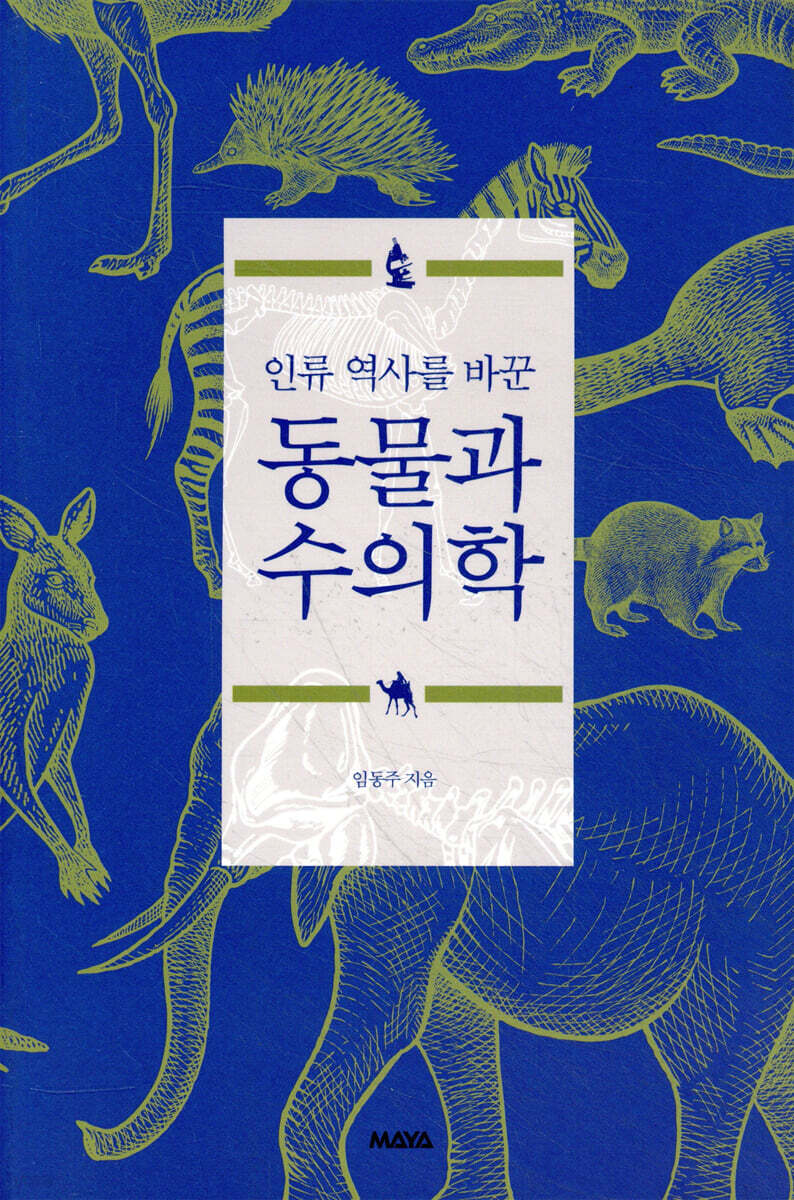
Animals and veterinary medicine that changed human history
 |
Description
Book Introduction
“Humans owe an enormous debt to animals.
Animal help
Without it, modern civilization would never have been born.”
"Animals and Veterinary Medicine: How They Changed Human History" is an entertaining and easy read.
The author, Dong-ju Lim, is a veterinarian who studied at Seoul National University and received a doctorate, but he has worked and gained experience in a variety of fields.
He is actively working as a professor who guides students, as a businessman, and as a writer.
He has written over 50 works in various fields, including not only his specialized fields such as fish and pets, but also the historical novel “Romance of the Three Kingdoms of Korea.”
He is a bookworm and a knowledge enthusiast who boasts a vast reading volume.
The author of this book, based on such humanistic knowledge, discusses animals, humans, and veterinary medicine by finding episodes in history and providing examples.
So, as you read this book, you get sucked into the book as if you are reading an old story.
As I read, I feel the author's extensive knowledge becoming my own knowledge and wisdom.
This is a book that anyone with even the slightest interest in animals should read, and in some ways, it is a must-read for modern people.
This will be a great guide for anyone interested in or interested in veterinary medicine.
Animal help
Without it, modern civilization would never have been born.”
"Animals and Veterinary Medicine: How They Changed Human History" is an entertaining and easy read.
The author, Dong-ju Lim, is a veterinarian who studied at Seoul National University and received a doctorate, but he has worked and gained experience in a variety of fields.
He is actively working as a professor who guides students, as a businessman, and as a writer.
He has written over 50 works in various fields, including not only his specialized fields such as fish and pets, but also the historical novel “Romance of the Three Kingdoms of Korea.”
He is a bookworm and a knowledge enthusiast who boasts a vast reading volume.
The author of this book, based on such humanistic knowledge, discusses animals, humans, and veterinary medicine by finding episodes in history and providing examples.
So, as you read this book, you get sucked into the book as if you are reading an old story.
As I read, I feel the author's extensive knowledge becoming my own knowledge and wisdom.
This is a book that anyone with even the slightest interest in animals should read, and in some ways, it is a must-read for modern people.
This will be a great guide for anyone interested in or interested in veterinary medicine.
- You can preview some of the book's contents.
Preview
index
preface
Part 1.
Humans and animals
Chapter 1.
Humans who raise animals
Chapter 2.
Agricultural Revolution and Livestock
Chapter 3.
6 Changes Caused by Livestock
Chapter 4.
Why humans are the lords of creation
Part 2.
Civilization built with animals
Chapter 1.
Horses, the animals that revolutionized transportation and warfare
Chapter 2.
Cows, the protagonists of the agricultural revolution
Chapter 3.
Sheep, the nomad's companion
Chapter 4.
Pigs and chickens, animals that changed the human diet
Chapter 5.
Dogs, mankind's oldest friend
Chapter 6.
Cat, a cute friend
Chapter 7.
Animals that changed human history
Chapter 8.
Misconceptions about nomads
Part 3.
Modern civilization and animals
Chapter 1.
Animals driven out of forests and cities
Chapter 2.
The History and Mission of Zoos
Chapter 3.
From pet to companion animal
Chapter 4.
From livestock to industrial animals
Chapter 5.
The Meat Revolution: A Miracle of the 20th Century
Chapter 6.
National snack, chicken and eggs
Chapter 7.
The end of meat eating?
Part 4.
Urban civilization and epidemics
Chapter 1.
Plagues, the underworld of civilization
Chapter 2.
Animal epidemics
Chapter 3.
zoonotic infectious diseases
Chapter 4.
Is burial the only solution?
Chapter 5.
The movie Outbreak
Chapter 6.
Guardian of urban civilization
Part 5.
Animal Rights and Humans
Chapter 1.
Let's protect animal rights.
Chapter 2.
Animal welfare is becoming increasingly important
Chapter 3.
Preservation of the human ecosystem
Chapter 4.
Homodeus and the Prayer of Animals
Part 6.
Veterinary medicine for humans
Chapter 1.
Veterinary medicine's contribution to the advancement of medicine
Chapter 2.
When animals are sick, people are sick too.
Chapter 3.
One Health: Medicine and Veterinary Medicine Are One
Chapter 4.
Animal hospitals and pets
Chapter 5.
Food hygiene and human health
Chapter 6.
The Role and Virtues of a Veterinarian
mop
References
Search
Part 1.
Humans and animals
Chapter 1.
Humans who raise animals
Chapter 2.
Agricultural Revolution and Livestock
Chapter 3.
6 Changes Caused by Livestock
Chapter 4.
Why humans are the lords of creation
Part 2.
Civilization built with animals
Chapter 1.
Horses, the animals that revolutionized transportation and warfare
Chapter 2.
Cows, the protagonists of the agricultural revolution
Chapter 3.
Sheep, the nomad's companion
Chapter 4.
Pigs and chickens, animals that changed the human diet
Chapter 5.
Dogs, mankind's oldest friend
Chapter 6.
Cat, a cute friend
Chapter 7.
Animals that changed human history
Chapter 8.
Misconceptions about nomads
Part 3.
Modern civilization and animals
Chapter 1.
Animals driven out of forests and cities
Chapter 2.
The History and Mission of Zoos
Chapter 3.
From pet to companion animal
Chapter 4.
From livestock to industrial animals
Chapter 5.
The Meat Revolution: A Miracle of the 20th Century
Chapter 6.
National snack, chicken and eggs
Chapter 7.
The end of meat eating?
Part 4.
Urban civilization and epidemics
Chapter 1.
Plagues, the underworld of civilization
Chapter 2.
Animal epidemics
Chapter 3.
zoonotic infectious diseases
Chapter 4.
Is burial the only solution?
Chapter 5.
The movie Outbreak
Chapter 6.
Guardian of urban civilization
Part 5.
Animal Rights and Humans
Chapter 1.
Let's protect animal rights.
Chapter 2.
Animal welfare is becoming increasingly important
Chapter 3.
Preservation of the human ecosystem
Chapter 4.
Homodeus and the Prayer of Animals
Part 6.
Veterinary medicine for humans
Chapter 1.
Veterinary medicine's contribution to the advancement of medicine
Chapter 2.
When animals are sick, people are sick too.
Chapter 3.
One Health: Medicine and Veterinary Medicine Are One
Chapter 4.
Animal hospitals and pets
Chapter 5.
Food hygiene and human health
Chapter 6.
The Role and Virtues of a Veterinarian
mop
References
Search
Into the book
The livestock revolution, comparable to the agricultural revolution, has greatly changed human life.
Let's summarize in six ways how livestock has changed human life.
The first change was that we were free from hunger and had time to create civilization.
The second change is the emergence of nomads dedicated to raising livestock.
The third change is the surge in agricultural productivity.
The fourth change is in the areas of transportation, transport, military, and war.
The fifth change is the great increase in human knowledge.
The sixth change is the use of various by-products obtained from animals.
In this way, livestock raising was an event that greatly changed human civilization.
So, we can say that the beginning of livestock farming was a revolution no less than the agricultural revolution, that is, the livestock revolution.
- Part 1, Chapter 3 [Six Changes Caused by Livestock], pp. 31-43
Just because humans, unlike animals, possess the capacity for higher-order thinking, does that make them the lords of creation? Just because we possess the ability to indiscriminately kill other animals doesn't mean we deserve the respect of other creatures.
Humans have failed to fulfill their role as leaders who take good care of other animals so that they can live safely and comfortably on Earth.
It is true that many animals have been killed indiscriminately for humans and used for various purposes.
To other animals, humans are nothing more than frightening natural enemies.
Nevertheless, there is one legitimate reason why humans can be called the lords of all creation.
Because humans are animals that can save the lives of other living beings.
Other animals can barely control their own bodies, but humans are different.
The most important ability that differentiates humans from other animals is that we have veterinary medicine, which allows us to save other living beings.
- Part 1, Chapter 4 [Why Humans Are the Lords of All Creation], pp. 44-47
As modern civilization develops and various pollutants are emitted, new diseases that did not exist in the past are emerging.
Various rapidly emerging diseases, such as bacteria and viruses, will continue to threaten our health in the future.
The most terrifying enemy threatening modern civilization is not nuclear weapons, but perhaps the advent of new diseases.
A pandemic worse than the plague or cholera threatens us.
That's why the American weekly news magazine Time claimed, "The most urgent security issue threatening the world is infectious disease."
When the plague was prevalent, Venice was able to avoid it by delaying the influx of outsiders for 40 days.
But now, you can get on a plane and go anywhere in the world in a day or two.
The speed at which infectious diseases are transmitted is also increasing very rapidly.
The 2016 MERS pandemic was also due to the fact that the infectious disease spread so quickly that quarantine at the airport was impossible.
At the 2014 American Association for the Advancement of Science (AAAS) annual meeting in Chicago, USA, a study found that it would only take 72 hours for the entire human race to be swept up in a pandemic.
If a pandemic breaks out, no one knows when or how many people will die.
The importance of quarantine and prevention to prevent the spread of infectious diseases, which pose a threat greater than nuclear war, is growing day by day.
One of the most important responsibilities veterinarians will have in the future will be protecting human health from animal diseases, including developing vaccines to prevent emerging infectious diseases.
- Part 4, Chapter 6 [Guardians of Urban Civilization].
Pages 247-262
Protecting animal rights is the most natural thing that humans, who have reached the level of gods, should do for animals.
Perhaps animals are praying to humans like this.
“I pray to the Almighty, who provides us with our daily meals and protects us from our natural enemies.
Please keep me from getting sick, and if I do get sick, please treat me, and improve my stuffy environment so that I can live like an animal.
And even when the time comes for me to leave this world, please let me face death without fear or pain.
“I pray and beg to the human being who governs my life.”
- Part 5, Chapter 4 [Homo Deus and the Animal Prayer], page 309
It's not just cancer.
Animals, like humans, feel fear and suffer from mental illness.
Also, like humans, they have various diseases.
One Health is the idea that 'animals and humans are fundamentally the same living beings and share many genes, so studying animal health and disease is the same as studying human health and disease.'
Among the many animal species, doctors only deal with one species: humans.
On the other hand, veterinarians study and treat the lives of countless animals.
Although the depth of disease research is greater in medicine, the breadth of life science research is much broader in veterinary medicine.
As these two fields of medicine become one, medicine will advance tremendously.
Because human and animal diseases have such a remarkable connection, we must work together.
Veterinary medicine is no longer just medicine for animals, but also medicine for people.
- Part 6, Chapter 3 [One Health: Veterinary Medicine and Medicine Are One], page 331
Let's summarize in six ways how livestock has changed human life.
The first change was that we were free from hunger and had time to create civilization.
The second change is the emergence of nomads dedicated to raising livestock.
The third change is the surge in agricultural productivity.
The fourth change is in the areas of transportation, transport, military, and war.
The fifth change is the great increase in human knowledge.
The sixth change is the use of various by-products obtained from animals.
In this way, livestock raising was an event that greatly changed human civilization.
So, we can say that the beginning of livestock farming was a revolution no less than the agricultural revolution, that is, the livestock revolution.
- Part 1, Chapter 3 [Six Changes Caused by Livestock], pp. 31-43
Just because humans, unlike animals, possess the capacity for higher-order thinking, does that make them the lords of creation? Just because we possess the ability to indiscriminately kill other animals doesn't mean we deserve the respect of other creatures.
Humans have failed to fulfill their role as leaders who take good care of other animals so that they can live safely and comfortably on Earth.
It is true that many animals have been killed indiscriminately for humans and used for various purposes.
To other animals, humans are nothing more than frightening natural enemies.
Nevertheless, there is one legitimate reason why humans can be called the lords of all creation.
Because humans are animals that can save the lives of other living beings.
Other animals can barely control their own bodies, but humans are different.
The most important ability that differentiates humans from other animals is that we have veterinary medicine, which allows us to save other living beings.
- Part 1, Chapter 4 [Why Humans Are the Lords of All Creation], pp. 44-47
As modern civilization develops and various pollutants are emitted, new diseases that did not exist in the past are emerging.
Various rapidly emerging diseases, such as bacteria and viruses, will continue to threaten our health in the future.
The most terrifying enemy threatening modern civilization is not nuclear weapons, but perhaps the advent of new diseases.
A pandemic worse than the plague or cholera threatens us.
That's why the American weekly news magazine Time claimed, "The most urgent security issue threatening the world is infectious disease."
When the plague was prevalent, Venice was able to avoid it by delaying the influx of outsiders for 40 days.
But now, you can get on a plane and go anywhere in the world in a day or two.
The speed at which infectious diseases are transmitted is also increasing very rapidly.
The 2016 MERS pandemic was also due to the fact that the infectious disease spread so quickly that quarantine at the airport was impossible.
At the 2014 American Association for the Advancement of Science (AAAS) annual meeting in Chicago, USA, a study found that it would only take 72 hours for the entire human race to be swept up in a pandemic.
If a pandemic breaks out, no one knows when or how many people will die.
The importance of quarantine and prevention to prevent the spread of infectious diseases, which pose a threat greater than nuclear war, is growing day by day.
One of the most important responsibilities veterinarians will have in the future will be protecting human health from animal diseases, including developing vaccines to prevent emerging infectious diseases.
- Part 4, Chapter 6 [Guardians of Urban Civilization].
Pages 247-262
Protecting animal rights is the most natural thing that humans, who have reached the level of gods, should do for animals.
Perhaps animals are praying to humans like this.
“I pray to the Almighty, who provides us with our daily meals and protects us from our natural enemies.
Please keep me from getting sick, and if I do get sick, please treat me, and improve my stuffy environment so that I can live like an animal.
And even when the time comes for me to leave this world, please let me face death without fear or pain.
“I pray and beg to the human being who governs my life.”
- Part 5, Chapter 4 [Homo Deus and the Animal Prayer], page 309
It's not just cancer.
Animals, like humans, feel fear and suffer from mental illness.
Also, like humans, they have various diseases.
One Health is the idea that 'animals and humans are fundamentally the same living beings and share many genes, so studying animal health and disease is the same as studying human health and disease.'
Among the many animal species, doctors only deal with one species: humans.
On the other hand, veterinarians study and treat the lives of countless animals.
Although the depth of disease research is greater in medicine, the breadth of life science research is much broader in veterinary medicine.
As these two fields of medicine become one, medicine will advance tremendously.
Because human and animal diseases have such a remarkable connection, we must work together.
Veterinary medicine is no longer just medicine for animals, but also medicine for people.
- Part 6, Chapter 3 [One Health: Veterinary Medicine and Medicine Are One], page 331
--- From the text
Publisher's Review
What are animals to humans?
This is a unique book that provides insight into human history and society by considering the relationship between humans and animals.
It is also a book that advocates the popularization of veterinary knowledge.
The author, a veterinarian, says that modern civilization would not be possible without animals.
It is argued that humans owe a debt to animals.
By learning to raise and handle animals rather than thinking of them as mere prey, mankind not only solved the problem of food, but also began to utilize the various abilities of animals in various fields necessary for life, and this ability has continued into modern civilization.
Our growing dependence on animals
In modern times, humans have become increasingly dependent on animals.
Although machines are replacing many of the roles that animals once performed, animals are still an important workforce and companion to humanity in many places.
Humans depend on animals in many fields, including medicine, pharmaceuticals, biotechnology, food, and cosmetics.
From guinea pigs and rabbits to dogs and even the seemingly insignificant rats, a staggering number of animals are bred and sacrificed in laboratories for the health and well-being of humanity.
A New Perception of the Dignity of Life - Animal Rights
The author points out misconceptions about animals and talks about the dignity of life, while making us realize that humans owe animals this debt.
Let us ponder the meaning of the phrase 'the lord of all creation.'
While introducing new concepts such as 'animal rights', which state that animals also have rights, we caution against treating animals as mere objects of consumption that provide food, things to see, and leather and fur.
Modern people's liberal veterinary knowledge
Veterinary medicine is a discipline with a very deep history, born from the beginning of the relationship between animals and humans.
It is also a field that is still continuing to develop.
It is no exaggeration to say that veterinary medicine has led the way in the development of modern medicine and biotechnology, including preventive medicine and genetic engineering.
Even today, numerous medical achievements are being made in the field of veterinary medicine.
Veterinary medicine is also closely related to food and medicine.
It is becoming not only an increasingly important field of study, but also common sense that everyone should know, inseparable from our lives.
This book is fun and easy to read.
The author, Dong-ju Lim, is a veterinarian who studied at Seoul National University and received a doctorate, but he has worked and gained experience in a variety of fields.
He is actively working as a professor who guides students, as a businessman, and as a writer.
He has written over 50 works in various fields, including not only his specialized fields such as fish and pets, but also the historical novel “Romance of the Three Kingdoms of Korea.”
He is a bookworm and a knowledge enthusiast who boasts a vast reading volume.
The author of this book, based on such humanistic knowledge, discusses animals, humans, and veterinary medicine by finding episodes in history and providing examples.
So, as you read this book, you get sucked into the book as if you are reading an old story.
As I read, I feel the author's extensive knowledge becoming my own knowledge and wisdom.
This is a book that anyone with even the slightest interest in animals should read, and in some ways, it is a must-read for modern people.
This will be a great guide for anyone interested in or interested in veterinary medicine.
Animals and Veterinary Medicine: How They Changed Human History, written by a veterinarian
A book that highlights the veterinarian's insight based on the humanities.
The author, Dong-ju Lim, is a doctor of veterinary medicine and the CEO of an animal feed company.
He is also a novelist and historical researcher who wrote 『Romance of the Three Kingdoms of Korea』 (11 volumes).
"Animals and Veterinary Medicine: Changing Human History" offers a glimpse into the author's extensive knowledge and insight into history and veterinary medicine, as well as his diverse intellectual experience and profound insight.
This book talks about animals and veterinary medicine, but rather than being a dry natural science book, it is full of humanistic charm that makes it an easy read.
This is because it explains the unfamiliar and difficult subject of veterinary medicine in a fun and easy way.
A must-read for every pet owner
Can humans live without animals?
Despite the enormous contributions animals have made to human civilization, haven't we been able to respect animals as legitimate living beings, instead thinking of them as mere lumps of meat to be eaten?
The author argues that the development of human civilization was further accelerated by the livestock revolution, and that modern great civilizations would never have been possible without the help of animals.
Humans have created civilization with horses, cows, sheep, pigs, chickens, dogs, cats, and many other animals.
If we truly understand the contributions animals have made to human civilization, we will also realize that we owe them a tremendous debt.
By unraveling how modern civilization has treated animals and how attitudes toward them have changed, the author discusses the rational coexistence of animals and humans.
Humans, the lords of all creation, and veterinary medicine.
animal welfare
The reason animal welfare is important is because only when animals are healthy can people be safe.
Humans, as one species of many animals, can kill other animals, but they can also save them.
Humans are like gods to animals.
Humans, the lords of all creation, have the ability to make animals happy.
The reason why veterinary knowledge, which only humans possess, is important is because it is essential for animals and humans to coexist and live together.
Veterinary Medicine for Humanity
After the livestock revolution, humans began to have a closer relationship with animals.
But humans are attacked by unexpected diseases.
Because animal epidemics threaten not only the lives of animals, but also the lives of humans.
Zoonotic diseases, which are transmitted between animals and humans, still threaten humanity today.
Animal health is directly linked to human safety.
Animal diseases are transmitted to humans through contact.
It could easily cause a pandemic that threatens the survival of humanity.
This is why veterinary medicine, which is responsible for the health of animals, is a discipline not only for animals but also for humans.
The role of veterinarians, responsible for the quarantine and prevention of diseases in humans and animals, is becoming increasingly important.
Moreover, medical knowledge derived from animal treatment is now being applied to human treatment.
The concept of 'One Health', where medicine and veterinary medicine are one, has recently been gaining attention.
Veterinary medicine and medicine were originally one.
As veterinary medicine has contributed greatly to the advancement of medicine, its role will continue to grow in the future.
Animals and veterinary medicine that changed human history
The book makes us look back on the contributions that animals have made to human life that we have forgotten, or rather, have not tried to think about, and think about what humanity can do for animals.
It also explains in an easy-to-understand way how veterinary medicine has contributed to human civilization, how it still helps our lives, and how it will continue to contribute in the future.
This book is a must-read not only for those interested in animals and natural science, but also for all pet owners.
This is a unique book that provides insight into human history and society by considering the relationship between humans and animals.
It is also a book that advocates the popularization of veterinary knowledge.
The author, a veterinarian, says that modern civilization would not be possible without animals.
It is argued that humans owe a debt to animals.
By learning to raise and handle animals rather than thinking of them as mere prey, mankind not only solved the problem of food, but also began to utilize the various abilities of animals in various fields necessary for life, and this ability has continued into modern civilization.
Our growing dependence on animals
In modern times, humans have become increasingly dependent on animals.
Although machines are replacing many of the roles that animals once performed, animals are still an important workforce and companion to humanity in many places.
Humans depend on animals in many fields, including medicine, pharmaceuticals, biotechnology, food, and cosmetics.
From guinea pigs and rabbits to dogs and even the seemingly insignificant rats, a staggering number of animals are bred and sacrificed in laboratories for the health and well-being of humanity.
A New Perception of the Dignity of Life - Animal Rights
The author points out misconceptions about animals and talks about the dignity of life, while making us realize that humans owe animals this debt.
Let us ponder the meaning of the phrase 'the lord of all creation.'
While introducing new concepts such as 'animal rights', which state that animals also have rights, we caution against treating animals as mere objects of consumption that provide food, things to see, and leather and fur.
Modern people's liberal veterinary knowledge
Veterinary medicine is a discipline with a very deep history, born from the beginning of the relationship between animals and humans.
It is also a field that is still continuing to develop.
It is no exaggeration to say that veterinary medicine has led the way in the development of modern medicine and biotechnology, including preventive medicine and genetic engineering.
Even today, numerous medical achievements are being made in the field of veterinary medicine.
Veterinary medicine is also closely related to food and medicine.
It is becoming not only an increasingly important field of study, but also common sense that everyone should know, inseparable from our lives.
This book is fun and easy to read.
The author, Dong-ju Lim, is a veterinarian who studied at Seoul National University and received a doctorate, but he has worked and gained experience in a variety of fields.
He is actively working as a professor who guides students, as a businessman, and as a writer.
He has written over 50 works in various fields, including not only his specialized fields such as fish and pets, but also the historical novel “Romance of the Three Kingdoms of Korea.”
He is a bookworm and a knowledge enthusiast who boasts a vast reading volume.
The author of this book, based on such humanistic knowledge, discusses animals, humans, and veterinary medicine by finding episodes in history and providing examples.
So, as you read this book, you get sucked into the book as if you are reading an old story.
As I read, I feel the author's extensive knowledge becoming my own knowledge and wisdom.
This is a book that anyone with even the slightest interest in animals should read, and in some ways, it is a must-read for modern people.
This will be a great guide for anyone interested in or interested in veterinary medicine.
Animals and Veterinary Medicine: How They Changed Human History, written by a veterinarian
A book that highlights the veterinarian's insight based on the humanities.
The author, Dong-ju Lim, is a doctor of veterinary medicine and the CEO of an animal feed company.
He is also a novelist and historical researcher who wrote 『Romance of the Three Kingdoms of Korea』 (11 volumes).
"Animals and Veterinary Medicine: Changing Human History" offers a glimpse into the author's extensive knowledge and insight into history and veterinary medicine, as well as his diverse intellectual experience and profound insight.
This book talks about animals and veterinary medicine, but rather than being a dry natural science book, it is full of humanistic charm that makes it an easy read.
This is because it explains the unfamiliar and difficult subject of veterinary medicine in a fun and easy way.
A must-read for every pet owner
Can humans live without animals?
Despite the enormous contributions animals have made to human civilization, haven't we been able to respect animals as legitimate living beings, instead thinking of them as mere lumps of meat to be eaten?
The author argues that the development of human civilization was further accelerated by the livestock revolution, and that modern great civilizations would never have been possible without the help of animals.
Humans have created civilization with horses, cows, sheep, pigs, chickens, dogs, cats, and many other animals.
If we truly understand the contributions animals have made to human civilization, we will also realize that we owe them a tremendous debt.
By unraveling how modern civilization has treated animals and how attitudes toward them have changed, the author discusses the rational coexistence of animals and humans.
Humans, the lords of all creation, and veterinary medicine.
animal welfare
The reason animal welfare is important is because only when animals are healthy can people be safe.
Humans, as one species of many animals, can kill other animals, but they can also save them.
Humans are like gods to animals.
Humans, the lords of all creation, have the ability to make animals happy.
The reason why veterinary knowledge, which only humans possess, is important is because it is essential for animals and humans to coexist and live together.
Veterinary Medicine for Humanity
After the livestock revolution, humans began to have a closer relationship with animals.
But humans are attacked by unexpected diseases.
Because animal epidemics threaten not only the lives of animals, but also the lives of humans.
Zoonotic diseases, which are transmitted between animals and humans, still threaten humanity today.
Animal health is directly linked to human safety.
Animal diseases are transmitted to humans through contact.
It could easily cause a pandemic that threatens the survival of humanity.
This is why veterinary medicine, which is responsible for the health of animals, is a discipline not only for animals but also for humans.
The role of veterinarians, responsible for the quarantine and prevention of diseases in humans and animals, is becoming increasingly important.
Moreover, medical knowledge derived from animal treatment is now being applied to human treatment.
The concept of 'One Health', where medicine and veterinary medicine are one, has recently been gaining attention.
Veterinary medicine and medicine were originally one.
As veterinary medicine has contributed greatly to the advancement of medicine, its role will continue to grow in the future.
Animals and veterinary medicine that changed human history
The book makes us look back on the contributions that animals have made to human life that we have forgotten, or rather, have not tried to think about, and think about what humanity can do for animals.
It also explains in an easy-to-understand way how veterinary medicine has contributed to human civilization, how it still helps our lives, and how it will continue to contribute in the future.
This book is a must-read not only for those interested in animals and natural science, but also for all pet owners.
GOODS SPECIFICS
- Date of issue: May 22, 2018
- Page count, weight, size: 384 pages | 666g | 150*220*30mm
- ISBN13: 9788985821667
- ISBN10: 8985821660
You may also like
카테고리
korean


korean

![GQ KOREA Mark (Monthly): December [2025]](http://librairie.coreenne.fr/cdn/shop/files/8ef265dbbfbf186523ed75ba7319009d.jpg?v=1765340328&width=3840)


