

High-income herbal medicine cultivation
 |
Description
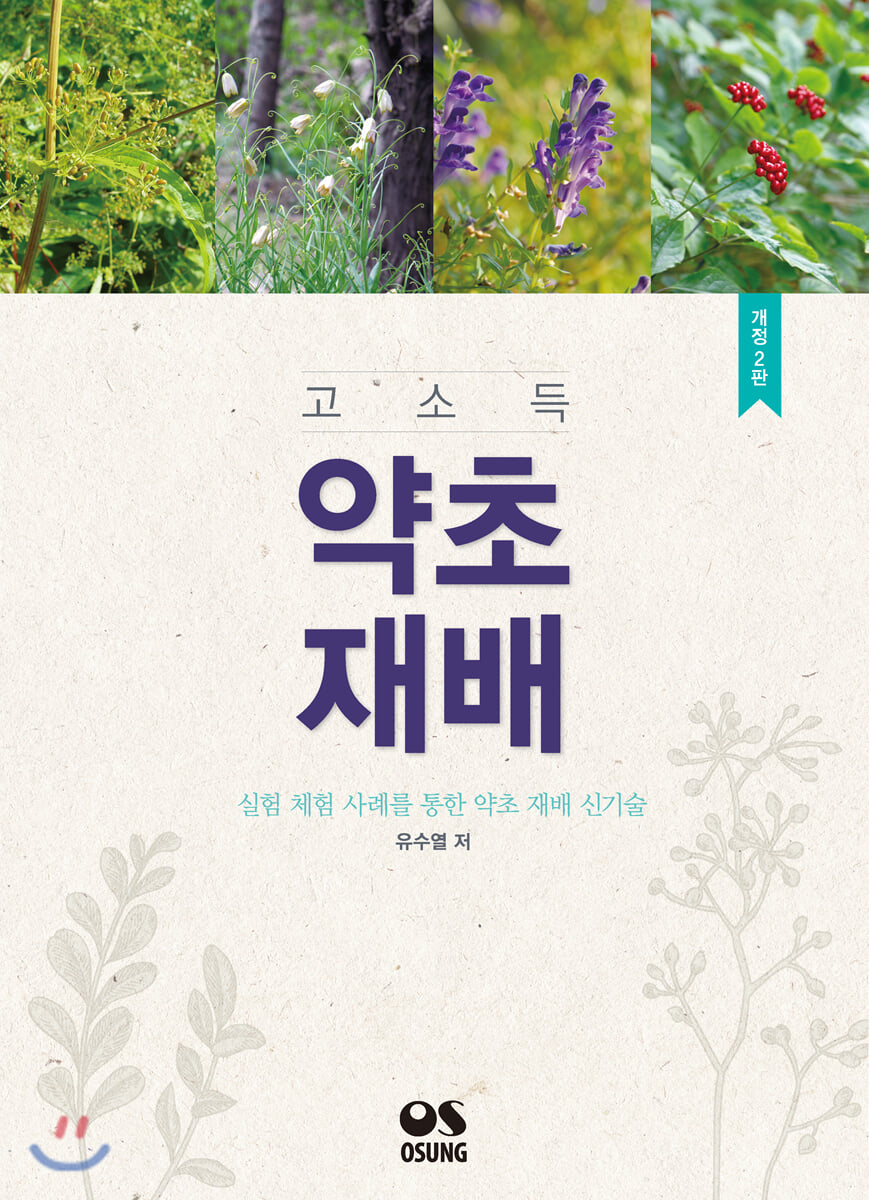
Book Introduction
In Korea, where there are many mountainous areas, farm income is determined by how the mountainous areas are utilized and what crops are introduced and cultivated. This book, while deeply recognizing the importance of medicinal crops that greatly contribute to increasing farm income, aims to improve scientific cultivation techniques and the quantity and quality of cultivated medicinal herbs, and to help spread cultivation techniques for domestic production of substitutes for imported medicinal herbs.
This book is a compilation of all the data collected to date, focusing on practical techniques that can lead to success for 40 promising species for farm cultivation, taking into account domestic cultivation environments, imports and exports, and indigenous medicinal herbs, based on the author's practical skills learned through trial cultivation and experience at a specialized institution and excellent cases discovered over a long period of time.
This revised second edition has been updated and reorganized with the latest herbal medicine photos.
This book is a compilation of all the data collected to date, focusing on practical techniques that can lead to success for 40 promising species for farm cultivation, taking into account domestic cultivation environments, imports and exports, and indigenous medicinal herbs, based on the author's practical skills learned through trial cultivation and experience at a specialized institution and excellent cases discovered over a long period of time.
This revised second edition has been updated and reorganized with the latest herbal medicine photos.
index
CH 1.
Medicinal Crop Cultivation Design and Management
Select the enemy 11
Determining the type of cultivation 12
Choosing a Variety 13
Purchase of Seeds and Seedlings 13
Cultivation scale 14
Sales and Profitability 15
Improving land use 15
Collective cultivation and joint processing facilities 15
Effort Distribution 16
CH 2.
Cultivation technology details
(1) Angelica 19
(2) Heavenly Palace 28
(3) 35
(4) Gilgyeong 43
(5) Posthumous name 52
(6) Astragalus membranaceus 60
(7) Ginseng 68
(8) Peony 90
(9) Peony 100
(10) Rehmannia glutinosa 110
(11) Taxi 117
(12) Ophiopogon japonicus 125
(13) Banha 131
(14) Gold 137
(15) Mansam 143
(16) Licorice 149
(17) Blank 156
(18) Dokhwal 162
(19) Rich man 170
(20) Cheonma 177
(21) Sanyak 182
(22) Ilhwangryeon 193
(23) Pamo 202
(24) Jimo 210
(25) Omija 216
(26) Reporter Gu 229
(27) Cornus officinalis 239
(28) Oh Su-yu 246
(29) Cassia seed 252
(30) Yiin 257
(31) Sancho 264
(32) Du-chong 272
(33) Kang Hwal 278
(34) Civil Engineering 283
(35) 288 Korean ginseng
(36) Baekpyeondu 293
(37) Hong Hwa 297
(38) Jaso 302
(39) The rich man 310
(40) Hasuo 315
Medicinal Crop Cultivation Design and Management
Select the enemy 11
Determining the type of cultivation 12
Choosing a Variety 13
Purchase of Seeds and Seedlings 13
Cultivation scale 14
Sales and Profitability 15
Improving land use 15
Collective cultivation and joint processing facilities 15
Effort Distribution 16
CH 2.
Cultivation technology details
(1) Angelica 19
(2) Heavenly Palace 28
(3) 35
(4) Gilgyeong 43
(5) Posthumous name 52
(6) Astragalus membranaceus 60
(7) Ginseng 68
(8) Peony 90
(9) Peony 100
(10) Rehmannia glutinosa 110
(11) Taxi 117
(12) Ophiopogon japonicus 125
(13) Banha 131
(14) Gold 137
(15) Mansam 143
(16) Licorice 149
(17) Blank 156
(18) Dokhwal 162
(19) Rich man 170
(20) Cheonma 177
(21) Sanyak 182
(22) Ilhwangryeon 193
(23) Pamo 202
(24) Jimo 210
(25) Omija 216
(26) Reporter Gu 229
(27) Cornus officinalis 239
(28) Oh Su-yu 246
(29) Cassia seed 252
(30) Yiin 257
(31) Sancho 264
(32) Du-chong 272
(33) Kang Hwal 278
(34) Civil Engineering 283
(35) 288 Korean ginseng
(36) Baekpyeondu 293
(37) Hong Hwa 297
(38) Jaso 302
(39) The rich man 310
(40) Hasuo 315
GOODS SPECIFICS
- Date of issue: December 30, 2019
- Page count, weight, size: 320 pages | 714g | 173*240*30mm
- ISBN13: 9788973368426
- ISBN10: 8973368427
You may also like
카테고리
korean


korean

![ELLE 엘르 스페셜 에디션 A형 : 12월 [2025]](http://librairie.coreenne.fr/cdn/shop/files/b8e27a3de6c9538896439686c6b0e8fb.jpg?v=1766436872&width=3840)


