

Qualitative research and autoethnography
 |
Description
Book Introduction
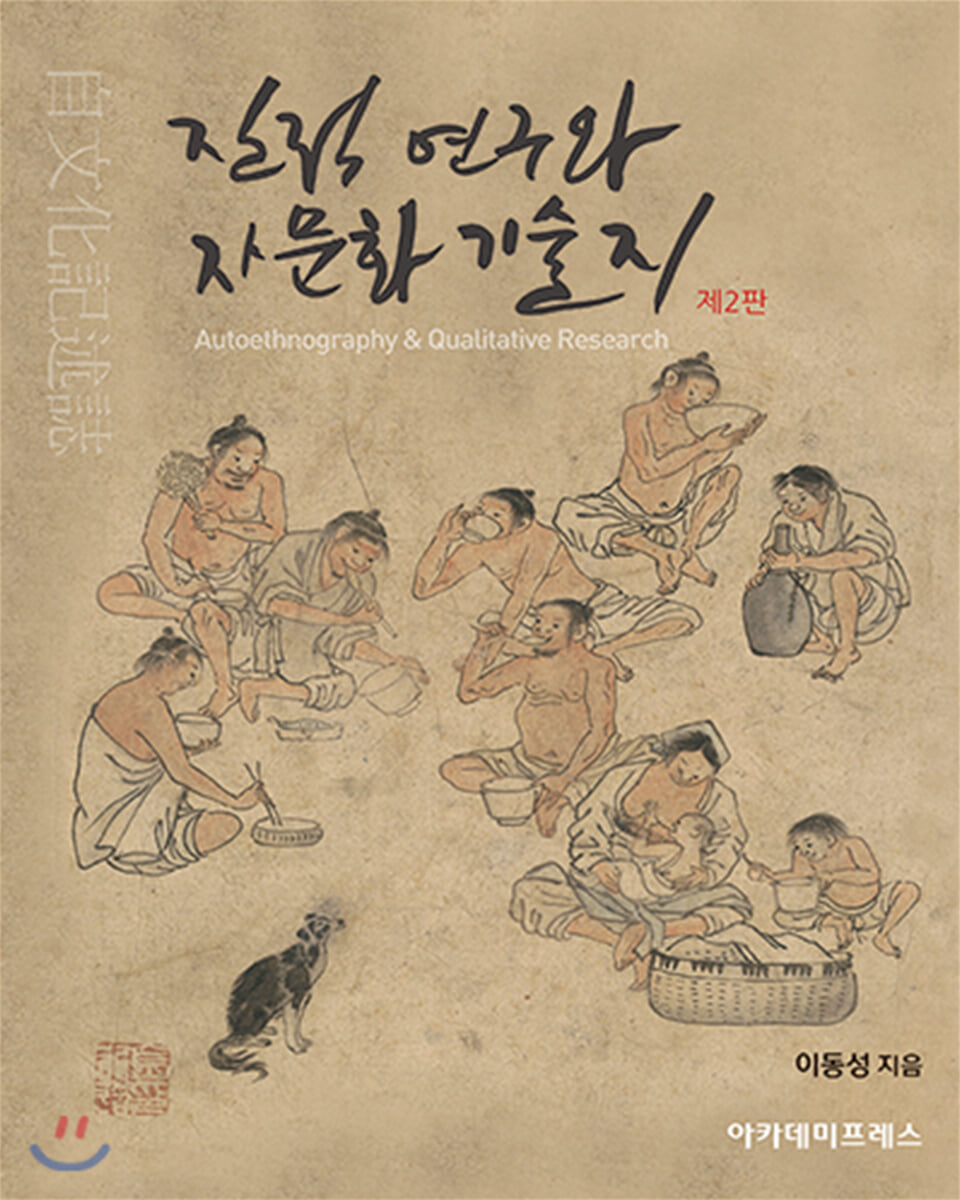
Cultural technology brought together the gap between theory and practice, and was a research methodology that allowed us to reflect on and heal our fragmented lives.
Moreover, by emphasizing narrative, the autoethnographic journal provides readability and field friendliness that allows both academic beginners and general readers to approach the text without feeling burdened.
Furthermore, the methodological advantage of autoethnography is that it can serve as a catalyst for authors, research participants, and readers to reflect on and improve their practices through intellectual and emotional dialogue and resonance through experimental writing and participatory research.
Moreover, by emphasizing narrative, the autoethnographic journal provides readability and field friendliness that allows both academic beginners and general readers to approach the text without feeling burdened.
Furthermore, the methodological advantage of autoethnography is that it can serve as a catalyst for authors, research participants, and readers to reflect on and improve their practices through intellectual and emotional dialogue and resonance through experimental writing and participatory research.
index
Part 1: Theory and Methods of Autoethnography
Chapter 1: Theory and Methods of Autoethnography
Chapter 2: Research Methods and Procedures for Autoethnographic Technology
Chapter 3: Methodological Issues and Writing in Autoethnographic Journals
Part 2: Application Cases of Autoethnographic Technology I: Identity and Role of Autoethnographers
Chapter 4: The Transformational Role and Perspectives of Teacher Researchers
Chapter 5: The Identity and Role of Teacher Educators
Chapter 6: Teacher Educators' Pedagogical Conflicts and Dilemmas
Part 3: Application Cases of Autoethnographic Technology II: Teaching Experiences of Autoethnographers
Chapter 7: Participation in the Elementary School Curriculum Research Association
Chapter 8: Experience in Leading Elementary School Sports Clubs
Chapter 9: Experience in Guiding Elementary School Students Who Are Underachieving
Chapter 10: Teaching Experience of Elementary School Physical Education Teachers
Part 4: Application Cases of Autoethnography III: The Everydayness of Life and the Ubiquity of Education
Chapter 11: A Father's Private Education Experience and Autoethnographic Technology
Chapter 12: The Educational Significance of Gardening and Autoethnographic Technology
Part 5
Chapter 13: Trends and Challenges in Autoethnographic Research
Chapter 1: Theory and Methods of Autoethnography
Chapter 2: Research Methods and Procedures for Autoethnographic Technology
Chapter 3: Methodological Issues and Writing in Autoethnographic Journals
Part 2: Application Cases of Autoethnographic Technology I: Identity and Role of Autoethnographers
Chapter 4: The Transformational Role and Perspectives of Teacher Researchers
Chapter 5: The Identity and Role of Teacher Educators
Chapter 6: Teacher Educators' Pedagogical Conflicts and Dilemmas
Part 3: Application Cases of Autoethnographic Technology II: Teaching Experiences of Autoethnographers
Chapter 7: Participation in the Elementary School Curriculum Research Association
Chapter 8: Experience in Leading Elementary School Sports Clubs
Chapter 9: Experience in Guiding Elementary School Students Who Are Underachieving
Chapter 10: Teaching Experience of Elementary School Physical Education Teachers
Part 4: Application Cases of Autoethnography III: The Everydayness of Life and the Ubiquity of Education
Chapter 11: A Father's Private Education Experience and Autoethnographic Technology
Chapter 12: The Educational Significance of Gardening and Autoethnographic Technology
Part 5
Chapter 13: Trends and Challenges in Autoethnographic Research
Publisher's Review
Classic ethnography has played a significant role in mitigating methodological imperfections and ambiguities in qualitative research.
This is because traditional cultural technology provided a theoretical and methodological framework for describing, analyzing, and interpreting the culture of specific groups or individuals from an insider's perspective, from the perspective of a strict social scientist.
Therefore, cultural technology occupies an overwhelming methodological position alongside grounded theory, to the extent that the general public equates qualitative research methodology with cultural technology.
However, relatively recently (from the 1970s to the present), a new wind of change has begun to blow in these traditional cultural technologies.
Autoethnography bridges the gap between theory and practice, and is a research methodology that allows for reflection and healing of fragmented lives.
Moreover, by emphasizing narrative, the autoethnographic journal provides readability and field friendliness that allows both academic beginners and general readers to approach the text without feeling burdened.
Readers of the autobiographical journal question whether such an easily readable text can be considered a thesis.
Considering the reality in Korea, where, unlike in other countries, social science research results have never become bestsellers, the methodological possibilities of autoethnography are limitless.
Furthermore, the methodological advantage of autoethnography is that it can serve as a catalyst for authors, research participants, and readers to reflect on and improve their practices through intellectual and emotional dialogue and resonance through experimental writing and participatory research.
This is because traditional cultural technology provided a theoretical and methodological framework for describing, analyzing, and interpreting the culture of specific groups or individuals from an insider's perspective, from the perspective of a strict social scientist.
Therefore, cultural technology occupies an overwhelming methodological position alongside grounded theory, to the extent that the general public equates qualitative research methodology with cultural technology.
However, relatively recently (from the 1970s to the present), a new wind of change has begun to blow in these traditional cultural technologies.
Autoethnography bridges the gap between theory and practice, and is a research methodology that allows for reflection and healing of fragmented lives.
Moreover, by emphasizing narrative, the autoethnographic journal provides readability and field friendliness that allows both academic beginners and general readers to approach the text without feeling burdened.
Readers of the autobiographical journal question whether such an easily readable text can be considered a thesis.
Considering the reality in Korea, where, unlike in other countries, social science research results have never become bestsellers, the methodological possibilities of autoethnography are limitless.
Furthermore, the methodological advantage of autoethnography is that it can serve as a catalyst for authors, research participants, and readers to reflect on and improve their practices through intellectual and emotional dialogue and resonance through experimental writing and participatory research.
GOODS SPECIFICS
- Date of issue: July 30, 2020
- Page count, weight, size: 354 pages | Checking size
- ISBN13: 9791196810344
- ISBN10: 1196810346
You may also like
카테고리
korean


korean

![GQ KOREA Mark (Monthly): December [2025]](http://librairie.coreenne.fr/cdn/shop/files/8ef265dbbfbf186523ed75ba7319009d.jpg?v=1765340328&width=3840)


