

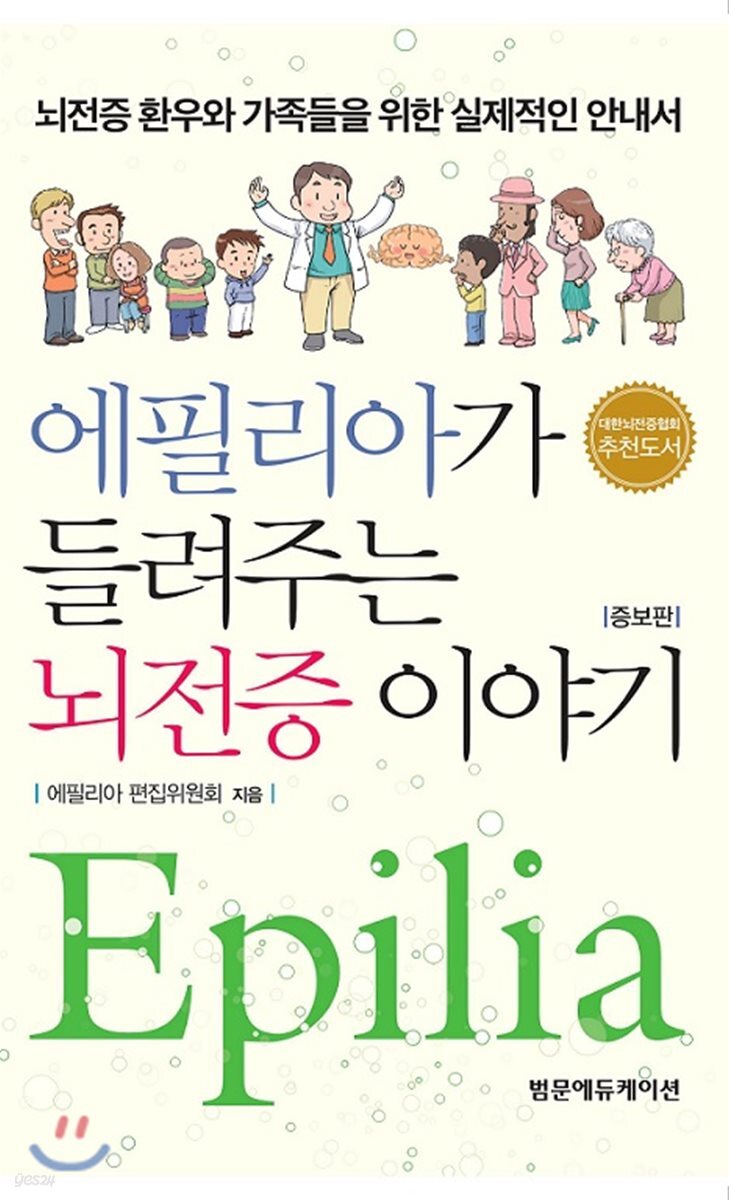
Epilepsy Story as Told by Ephelia
 |
Description
Book Introduction
A practical guide for people with epilepsy and their families.
Epilepsy is a disease in which the electrical phenomena that normally flow in the human brain are temporarily disturbed, and it is widely recognized as an incurable disease.
However, there are distinct treatment methods such as medication and surgery, and in most cases, the condition can be controlled and treated without interfering with daily life and work.
This book provides information about epilepsy in an easy-to-understand manner.
Epilepsy is a disease in which the electrical phenomena that normally flow in the human brain are temporarily disturbed, and it is widely recognized as an incurable disease.
However, there are distinct treatment methods such as medication and surgery, and in most cases, the condition can be controlled and treated without interfering with daily life and work.
This book provides information about epilepsy in an easy-to-understand manner.
index
Part 1: Understanding Epilepsy
Definition, dynamics
What is epilepsy?
How many people have epilepsy?
Causes of epilepsy
Why does epilepsy occur?
Misconceptions about the causes of epilepsy
Symptoms and syndromes
Classification and symptoms of epilepsy
Types of epileptic seizures
Why is seizure classification important?
Classification of epilepsy
What does the classification of epilepsy mean?
Diagnosis of epilepsy
Diseases similar to epileptic seizures
Diagnosis of epilepsy
therapy
When should epilepsy treatment be started and how long should medication be used?
How do anticonvulsants used for epilepsy affect the brain?
How are anticonvulsants actually administered?
Choosing an Anticonvulsant: Which Anticonvulsant is Better and Which Drug Should I Choose?
Side effects of anticonvulsants
Why do you do blood tests during treatment?
When does drug treatment fail?
What if one drug fails?
surgical treatment
Other treatments
What is a clinical trial?
female epilepsy
Can people with epilepsy get married and have children?
Epilepsy treatment in women
geriatric epilepsy
They say epilepsy can occur in childhood, but do older people also have seizures?
Epilepsy in the elderly is difficult to diagnose accurately.
What tests should I take?
How is treatment for epilepsy different in older adults?
Key concerns in elderly epilepsy
Sleep and epilepsy
What is the connection between sleep and epilepsy?
What is the temporal relationship between sleep and epilepsy?
Nocturnal frontal lobe epilepsy and NREM parasomnias
The relationship between epilepsy and sleep and sleep disorders
epilepsy following stroke or brain injury
Post-stroke epilepsy
Post-traumatic epilepsy
Status epilepticus
What happens if the seizure doesn't stop?
Causes and Prognosis
Pathophysiology of status epilepticus
Treatment of status epilepticus
Part 2: Pediatric and Adolescent Epilepsy
febrile convulsions
What are the symptoms of febrile seizures?
What are the risks of having complex febrile seizures?
Should I get an EEG or MRI?
Do febrile seizures affect the development of epilepsy and cognitive development?
What should I do if I have a febrile seizure?
Can febrile seizures be prevented?
How should a child who has had a febrile seizure be vaccinated?
Genetic Testing and Hereditary Epilepsy
Is epilepsy a genetic disease?
What is Dravet syndrome?
How can genetic testing help?
Major pediatric and adolescent epilepsy syndromes
Pediatric and adolescent epilepsy syndrome with poor prognosis
Pediatric and adolescent epilepsy syndrome with a good prognosis
Treatment of epilepsy in children and adolescents
Special features of anticonvulsant use in children
Anticonvulsants primarily used in children
side effect
Frequently Asked Questions
ketogenic diet
surgical treatment
Other treatments
Learning and psychological problems experienced by children with epilepsy
Other problems faced by children and adolescents with epilepsy in their daily lives
Part 3: Social Issues Associated with Epilepsy
Social awareness of epilepsy
social stigma
The Impact of Epilepsy Education Programs on Perceptions and Attitudes
Welfare policies for epilepsy patients
Status of registration of people with epilepsy
Diagnosis of epilepsy disorder and disability registration procedures
Disability ratings for epilepsy
adult epilepsy
Pediatric and adolescent epilepsy
Considerations When Applying for Disability Registration
Cognitive and emotional problems in patients with epilepsy
Why do I have bad memories and mood swings?
Legal status of epilepsy patients
introduction
The problem of discrimination based on the characteristics of epilepsy patients
Specific examples
Related case law
Act on Prohibition of Discrimination against Persons with Disabilities and Remedies for Their Rights
conclusion
Self-management of epilepsy
Keeping an Epilepsy Diary
Use of online medical information
How to take medication correctly
Drug Blood Concentration Concept and Testing
Information for safe overseas travel
Source: World Epilepsy Association Traveler's Guide
Taking medication
General advice
English expressions related to epilepsy that are useful to know when traveling abroad.
Part 4: Introduction to Ephelia
Introduction to Ephelia
Guide to Past Epilia Citizen Lectures
Epilepsy Center Guide from the Epilepsy Management Team
Q&A
Adult Counseling
Pediatric consultation
Legal consultation
Introduction to anticonvulsants
Search
About the writers
Definition, dynamics
What is epilepsy?
How many people have epilepsy?
Causes of epilepsy
Why does epilepsy occur?
Misconceptions about the causes of epilepsy
Symptoms and syndromes
Classification and symptoms of epilepsy
Types of epileptic seizures
Why is seizure classification important?
Classification of epilepsy
What does the classification of epilepsy mean?
Diagnosis of epilepsy
Diseases similar to epileptic seizures
Diagnosis of epilepsy
therapy
When should epilepsy treatment be started and how long should medication be used?
How do anticonvulsants used for epilepsy affect the brain?
How are anticonvulsants actually administered?
Choosing an Anticonvulsant: Which Anticonvulsant is Better and Which Drug Should I Choose?
Side effects of anticonvulsants
Why do you do blood tests during treatment?
When does drug treatment fail?
What if one drug fails?
surgical treatment
Other treatments
What is a clinical trial?
female epilepsy
Can people with epilepsy get married and have children?
Epilepsy treatment in women
geriatric epilepsy
They say epilepsy can occur in childhood, but do older people also have seizures?
Epilepsy in the elderly is difficult to diagnose accurately.
What tests should I take?
How is treatment for epilepsy different in older adults?
Key concerns in elderly epilepsy
Sleep and epilepsy
What is the connection between sleep and epilepsy?
What is the temporal relationship between sleep and epilepsy?
Nocturnal frontal lobe epilepsy and NREM parasomnias
The relationship between epilepsy and sleep and sleep disorders
epilepsy following stroke or brain injury
Post-stroke epilepsy
Post-traumatic epilepsy
Status epilepticus
What happens if the seizure doesn't stop?
Causes and Prognosis
Pathophysiology of status epilepticus
Treatment of status epilepticus
Part 2: Pediatric and Adolescent Epilepsy
febrile convulsions
What are the symptoms of febrile seizures?
What are the risks of having complex febrile seizures?
Should I get an EEG or MRI?
Do febrile seizures affect the development of epilepsy and cognitive development?
What should I do if I have a febrile seizure?
Can febrile seizures be prevented?
How should a child who has had a febrile seizure be vaccinated?
Genetic Testing and Hereditary Epilepsy
Is epilepsy a genetic disease?
What is Dravet syndrome?
How can genetic testing help?
Major pediatric and adolescent epilepsy syndromes
Pediatric and adolescent epilepsy syndrome with poor prognosis
Pediatric and adolescent epilepsy syndrome with a good prognosis
Treatment of epilepsy in children and adolescents
Special features of anticonvulsant use in children
Anticonvulsants primarily used in children
side effect
Frequently Asked Questions
ketogenic diet
surgical treatment
Other treatments
Learning and psychological problems experienced by children with epilepsy
Other problems faced by children and adolescents with epilepsy in their daily lives
Part 3: Social Issues Associated with Epilepsy
Social awareness of epilepsy
social stigma
The Impact of Epilepsy Education Programs on Perceptions and Attitudes
Welfare policies for epilepsy patients
Status of registration of people with epilepsy
Diagnosis of epilepsy disorder and disability registration procedures
Disability ratings for epilepsy
adult epilepsy
Pediatric and adolescent epilepsy
Considerations When Applying for Disability Registration
Cognitive and emotional problems in patients with epilepsy
Why do I have bad memories and mood swings?
Legal status of epilepsy patients
introduction
The problem of discrimination based on the characteristics of epilepsy patients
Specific examples
Related case law
Act on Prohibition of Discrimination against Persons with Disabilities and Remedies for Their Rights
conclusion
Self-management of epilepsy
Keeping an Epilepsy Diary
Use of online medical information
How to take medication correctly
Drug Blood Concentration Concept and Testing
Information for safe overseas travel
Source: World Epilepsy Association Traveler's Guide
Taking medication
General advice
English expressions related to epilepsy that are useful to know when traveling abroad.
Part 4: Introduction to Ephelia
Introduction to Ephelia
Guide to Past Epilia Citizen Lectures
Epilepsy Center Guide from the Epilepsy Management Team
Q&A
Adult Counseling
Pediatric consultation
Legal consultation
Introduction to anticonvulsants
Search
About the writers
Publisher's Review
greetings
Hello, epilepsy patients. How have you been?
With the help of many teachers and members, Epilia has developed into a site that provides the most reliable information about epilepsy.
Ephelia's primary goal is to provide accurate information about epilepsy, enabling patients to gain accurate knowledge about the disease. At the same time, we analyze the social impact of epilepsy to remove the social stigma associated with the disease and assist in the treatment of patients.
These efforts have continued through the publication of 'Cyber Ward: Epilia 24 Hours', the regular publication of Epilia Magazine, citizen lectures, disease name revision projects, and various social studies on epilepsy.
Epilepsy is a disease in which the electrical phenomena that normally flow in the human brain are temporarily disturbed.
There are distinct treatment methods such as drug therapy and surgical treatment, and in most cases, it is a disease that can be controlled and treated without interfering with daily life and work.
However, it is also true that there is still a widespread perception that most epileptics are incurable and have many limitations in their social lives.
As we have stated on numerous occasions, these social prejudices not only interfere with patients' normal lives, but also pose a significant obstacle to receiving proper treatment.
We will continue to work toward the day when these social restrictions disappear and all patients receive proper and appropriate treatment.
At Epilia, we are redoubling our efforts by adding some very talented epilepsy specialists.
We have also prepared a new and expanded book on epilepsy that can provide real medical and social help to people with epilepsy.
We ask for your continued interest and support.
January 2013
Lee Sang-geon
Epilia Writing Team Representative, Department of Neurology, Seoul National University College of Medicine
Hello, epilepsy patients. How have you been?
With the help of many teachers and members, Epilia has developed into a site that provides the most reliable information about epilepsy.
Ephelia's primary goal is to provide accurate information about epilepsy, enabling patients to gain accurate knowledge about the disease. At the same time, we analyze the social impact of epilepsy to remove the social stigma associated with the disease and assist in the treatment of patients.
These efforts have continued through the publication of 'Cyber Ward: Epilia 24 Hours', the regular publication of Epilia Magazine, citizen lectures, disease name revision projects, and various social studies on epilepsy.
Epilepsy is a disease in which the electrical phenomena that normally flow in the human brain are temporarily disturbed.
There are distinct treatment methods such as drug therapy and surgical treatment, and in most cases, it is a disease that can be controlled and treated without interfering with daily life and work.
However, it is also true that there is still a widespread perception that most epileptics are incurable and have many limitations in their social lives.
As we have stated on numerous occasions, these social prejudices not only interfere with patients' normal lives, but also pose a significant obstacle to receiving proper treatment.
We will continue to work toward the day when these social restrictions disappear and all patients receive proper and appropriate treatment.
At Epilia, we are redoubling our efforts by adding some very talented epilepsy specialists.
We have also prepared a new and expanded book on epilepsy that can provide real medical and social help to people with epilepsy.
We ask for your continued interest and support.
January 2013
Lee Sang-geon
Epilia Writing Team Representative, Department of Neurology, Seoul National University College of Medicine
GOODS SPECIFICS
- Date of issue: February 20, 2013
- Page count, weight, size: 308 pages | 150*233*30mm
- ISBN13: 9788997140589
- ISBN10: 8997140582
You may also like
카테고리
korean


korean

![GQ KOREA Mark (Monthly): December [2025]](http://librairie.coreenne.fr/cdn/shop/files/8ef265dbbfbf186523ed75ba7319009d.jpg?v=1765340328&width=3840)


