

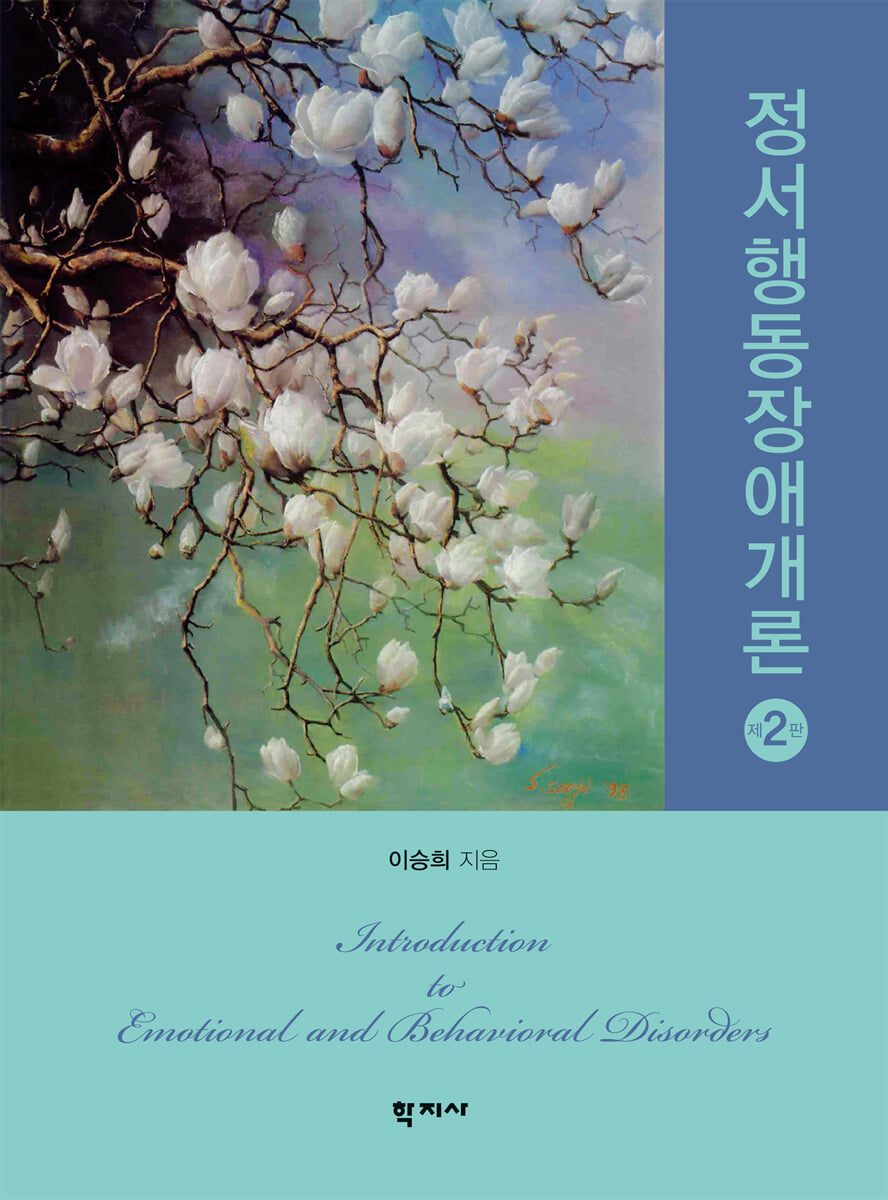
Introduction to Emotional and Behavioral Disorders
 |
Description
Book Introduction
Emotional and behavioral disorders, by their nature, are interrelated across many fields (e.g., medicine, psychology, education, etc.).
In these fields, two themes have emerged prominently in the 21st century: one is 'brain-based' and the other is 'evidence-based'.
Additionally, 'prevention' is a topic that is constantly emphasized, as prevention through early detection is more effective and desirable than early intervention through early identification.
These three themes—brain-based, evidence-based, and prevention—were not addressed significantly in the original 2017 edition of this book, but they are now emerging as important topics in the field of emotional and behavioral disorders.
And in 2022, the latest edition of DSM, DSM-5-TR, was published.
Therefore, this second edition has been revised with a focus on brain-based, evidence-based, prevention, and DSM-5-TR.
In addition, the second edition introduced the newly emerged Multi-Tiered System of Support (MTSS) as a comprehensive model that integrates SW-PBS and RTI, and added newly released assessment tools.
In the second edition, there were major changes to the structure of the book to reflect the revised content.
The three parts were maintained, but the positions of parts 2 and 3 were changed, and the overall number of chapters increased from 8 to 11.
In these fields, two themes have emerged prominently in the 21st century: one is 'brain-based' and the other is 'evidence-based'.
Additionally, 'prevention' is a topic that is constantly emphasized, as prevention through early detection is more effective and desirable than early intervention through early identification.
These three themes—brain-based, evidence-based, and prevention—were not addressed significantly in the original 2017 edition of this book, but they are now emerging as important topics in the field of emotional and behavioral disorders.
And in 2022, the latest edition of DSM, DSM-5-TR, was published.
Therefore, this second edition has been revised with a focus on brain-based, evidence-based, prevention, and DSM-5-TR.
In addition, the second edition introduced the newly emerged Multi-Tiered System of Support (MTSS) as a comprehensive model that integrates SW-PBS and RTI, and added newly released assessment tools.
In the second edition, there were major changes to the structure of the book to reflect the revised content.
The three parts were maintained, but the positions of parts 2 and 3 were changed, and the overall number of chapters increased from 8 to 11.
index
Preface to the Second Edition
Preface to the First Edition
Part 1: Overview of Emotional and Behavioral Disorders
Chapter 1: Basics of Emotional and Behavioral Disorders
1.
Related concepts of emotional and behavioral disorders
2.
The concept of emotional and behavioral disorders
3.
Related terms for emotional and behavioral disorders
4.
Definition of Emotional and Behavioral Disorders
5.
Classification of emotional and behavioral disorders
6.
Prevalence of emotional and behavioral disorders
7.
Characteristics of emotional and behavioral disorders
8.
Differentiating Emotional and Behavioral Disorders
Chapter 2 Causes of Emotional and Behavioral Disorders
1.
Risk factors
2.
Protective factors
Chapter 3: Assessment of Emotional and Behavioral Disorders
1.
Selection
2.
diagnosis
3.
suitability
4.
Program planning and deployment
5.
formative assessment
6.
Summative evaluation
Chapter 4: A Conceptual Model of Emotional and Behavioral Disorders
1.
single model
2.
Integrated model
3.
interdisciplinary model
Part 2 Interventions for Emotional and Behavioral Disorders
Chapter 5 Evidence-Based Practice
1.
The meaning of evidence-based practice
2.
Evidence-Based Practice in Emotional and Behavioral Disorders
Chapter 6 Biological Interventions
1.
pharmacological intervention
2.
Non-pharmacological interventions
Chapter 7 Psychosocial Interventions
1.
psychoanalytic intervention
2.
Behavioral interventions
3.
cognitive intervention
4.
ecological intervention
Chapter 8 Educational Interventions
1.
Pre-commission mediation
2.
Academic Mediation
3.
Social skills intervention
4.
Integrated education
Part 3 Types of Emotional and Behavioral Disorders
Chapter 9 Internalizing Disorders
1.
depressive disorder
2.
bipolar disorder
3.
separation anxiety disorder
4.
generalized anxiety disorder
5.
panic disorder
6.
specific phobia
7.
social anxiety disorder
8.
obsessive-compulsive disorder
9.
post-traumatic stress disorder
Chapter 10 Externalizing Disorders
1.
Conduct disorder
2.
oppositional defiant disorder
3.
Attention Deficit Hyperactivity Disorder
Chapter 11 Other Disabilities
1.
schizophrenia
2.
excretory disorder
3.
eating disorders
Glossary
References
Search
Preface to the First Edition
Part 1: Overview of Emotional and Behavioral Disorders
Chapter 1: Basics of Emotional and Behavioral Disorders
1.
Related concepts of emotional and behavioral disorders
2.
The concept of emotional and behavioral disorders
3.
Related terms for emotional and behavioral disorders
4.
Definition of Emotional and Behavioral Disorders
5.
Classification of emotional and behavioral disorders
6.
Prevalence of emotional and behavioral disorders
7.
Characteristics of emotional and behavioral disorders
8.
Differentiating Emotional and Behavioral Disorders
Chapter 2 Causes of Emotional and Behavioral Disorders
1.
Risk factors
2.
Protective factors
Chapter 3: Assessment of Emotional and Behavioral Disorders
1.
Selection
2.
diagnosis
3.
suitability
4.
Program planning and deployment
5.
formative assessment
6.
Summative evaluation
Chapter 4: A Conceptual Model of Emotional and Behavioral Disorders
1.
single model
2.
Integrated model
3.
interdisciplinary model
Part 2 Interventions for Emotional and Behavioral Disorders
Chapter 5 Evidence-Based Practice
1.
The meaning of evidence-based practice
2.
Evidence-Based Practice in Emotional and Behavioral Disorders
Chapter 6 Biological Interventions
1.
pharmacological intervention
2.
Non-pharmacological interventions
Chapter 7 Psychosocial Interventions
1.
psychoanalytic intervention
2.
Behavioral interventions
3.
cognitive intervention
4.
ecological intervention
Chapter 8 Educational Interventions
1.
Pre-commission mediation
2.
Academic Mediation
3.
Social skills intervention
4.
Integrated education
Part 3 Types of Emotional and Behavioral Disorders
Chapter 9 Internalizing Disorders
1.
depressive disorder
2.
bipolar disorder
3.
separation anxiety disorder
4.
generalized anxiety disorder
5.
panic disorder
6.
specific phobia
7.
social anxiety disorder
8.
obsessive-compulsive disorder
9.
post-traumatic stress disorder
Chapter 10 Externalizing Disorders
1.
Conduct disorder
2.
oppositional defiant disorder
3.
Attention Deficit Hyperactivity Disorder
Chapter 11 Other Disabilities
1.
schizophrenia
2.
excretory disorder
3.
eating disorders
Glossary
References
Search
GOODS SPECIFICS
- Date of issue: August 30, 2025
- Format: Hardcover book binding method guide
- Page count, weight, size: 464 pages | 188*255*25mm
- ISBN13: 9788999734847
You may also like
카테고리
korean


korean

![GQ KOREA Mark (Monthly): December [2025]](http://librairie.coreenne.fr/cdn/shop/files/8ef265dbbfbf186523ed75ba7319009d.jpg?v=1765340328&width=3840)


