

Plutarch's Lives, Volume 1
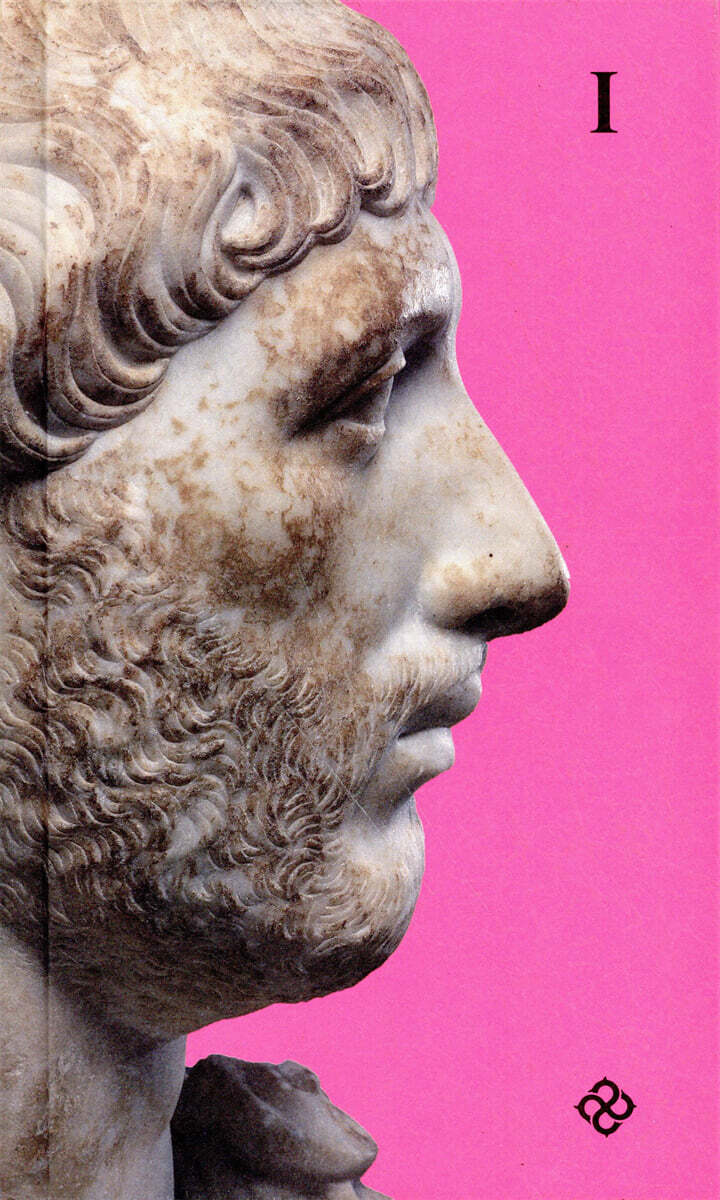 |
Description
Book Introduction
The greatest heroic story in human history A treasure chest containing all the seeds of Western culture Now available in Eulyoo Publishing's complete translation. How to achieve what you want and how to captivate people. And how should one cope when fate mercilessly abandons oneself? The lives of the great politicians and generals who shaped the early days of European history answer that question. This is Plutarch's Lives (hereinafter referred to as the Lives). Therefore, this book is considered an encyclopedia of liberal arts that allows one to learn about the early history and culture of Western Europe, how to conduct oneself as a leader, and ethics as a human being. This is precisely why 『Heroic Lives』, along with the Bible and Greek tragedy, were established as a common core of Western culture until the early 20th century. In fact, 『The Lives』 had a great influence on the thoughts of politicians and soldiers such as Napoleon and Churchill, as well as many intellectuals such as Montaigne, Francis Bacon, and Rousseau, and provided inspiration to many writers including Shakespeare, Schiller, and Goethe. But the moment this book shined the most was when it was literally accepted as 'culture', as a means to live life. Beethoven, who is known to have enjoyed reading 『Lives of Heroes』, is a good example. In 1801, when Beethoven was losing his hearing, he wrote, “I have sometimes cursed my Creator and my own existence. (But) Plutarch taught us how to accept it,” he said. This biography, which contains the lives of famous soldiers and politicians of ancient Greece and Rome, including Romulus, the founder of Rome, the immortal leader Julius Caesar, and Hannibal, considered one of the greatest strategists, is often compared to the Romance of the Three Kingdoms of the East. From Western political culture to artistic creation, the book's influence is truly far-reaching. Many famous lines from 『The Heroes' Stories』 have become part of Western common sense, and the dramatic moments depicted in the various stories have been reinterpreted countless times in paintings, novels, and plays. In this way, 『The Lives of Heroes』 is a classic that should be approached not only for its own charm that provides universal teachings to many people, but also as a key to understanding European culture. |
- You can preview some of the book's contents.
Preview
index
Recommendation
Translator's Preface
Commentary: Includes editions and references
The Life of Plutarch and the People Who Made His Lives Popular: Aubrey Stewart & George Long
Postscript * Brief biographies of the translator and editor
1 Theseus
2 Romulus
* Comparison of Theseus and Romulus
3 Lycurgus
4 Numa
* Comparison of Lycurgus and Numa
5 Solon
6 Publicola
* Comparison of Solon and Publichola
7 Themistocles
8 Camillus
* Comparison of Themistocles and Camillus (written by Aiyang Du)
9 Aristides
10 Great Kato
* Comparison of Aristides and Cato the Elder
Translator's Preface
Commentary: Includes editions and references
The Life of Plutarch and the People Who Made His Lives Popular: Aubrey Stewart & George Long
Postscript * Brief biographies of the translator and editor
1 Theseus
2 Romulus
* Comparison of Theseus and Romulus
3 Lycurgus
4 Numa
* Comparison of Lycurgus and Numa
5 Solon
6 Publicola
* Comparison of Solon and Publichola
7 Themistocles
8 Camillus
* Comparison of Themistocles and Camillus (written by Aiyang Du)
9 Aristides
10 Great Kato
* Comparison of Aristides and Cato the Elder
Detailed image

Into the book
When someone asked Lycurgus to establish a democratic form of government, he replied:
“Go and establish democracy in your home first.”
--- p.199
General Polycratidas, one of the ambassadors sent to the Persian king's generals, answered the question whether they had come in a private capacity or on official business:
“If our mission succeeds, we come as an official, if it fails, we come as a private individual.”
--- p.209
Someone asked him (Solon):
“Have you made the best laws for the Athenians?”
To this he replied:
“They made the best law they could accept.”
--- p.297
Camillus, who was watching the events unfolding in the castle from the ramparts, at first just stood still and shed tears.
As the crowd around him celebrated his victory, he raised his hands to the sky and prayed to God:
“Great Jupiter and all the gods who see and judge human good and evil, you know that this war of conquest is unjust.
But the illegal conquest of this city, full of hostility and lawlessness, was inevitable and was for self-preservation.
But if you wish to punish this unjust victory, I pray you will not rebuke the city and soldiers of Rome, but rather inflict the punishment on me.
But let the punishment not be too severe.”
With these prayers, at the end of the ceremony of prayer and praise, Camillus, following the Roman custom, turned to the right and fell with his foot twisted.
When the people around him were surprised, he straightened his body and said this.
“My prayer has been answered.
“To think that such a small punishment would be given in exchange for such great fortune… … .”
--- p.432
“My dear, the Athenians rule the Greeks.
I rule over the Athenians.
You rule over me and your son rules over you.
So let's let him conserve his power.
“Even though he is young, he is the most powerful man in Greece.”
“Go and establish democracy in your home first.”
--- p.199
General Polycratidas, one of the ambassadors sent to the Persian king's generals, answered the question whether they had come in a private capacity or on official business:
“If our mission succeeds, we come as an official, if it fails, we come as a private individual.”
--- p.209
Someone asked him (Solon):
“Have you made the best laws for the Athenians?”
To this he replied:
“They made the best law they could accept.”
--- p.297
Camillus, who was watching the events unfolding in the castle from the ramparts, at first just stood still and shed tears.
As the crowd around him celebrated his victory, he raised his hands to the sky and prayed to God:
“Great Jupiter and all the gods who see and judge human good and evil, you know that this war of conquest is unjust.
But the illegal conquest of this city, full of hostility and lawlessness, was inevitable and was for self-preservation.
But if you wish to punish this unjust victory, I pray you will not rebuke the city and soldiers of Rome, but rather inflict the punishment on me.
But let the punishment not be too severe.”
With these prayers, at the end of the ceremony of prayer and praise, Camillus, following the Roman custom, turned to the right and fell with his foot twisted.
When the people around him were surprised, he straightened his body and said this.
“My prayer has been answered.
“To think that such a small punishment would be given in exchange for such great fortune… … .”
--- p.432
“My dear, the Athenians rule the Greeks.
I rule over the Athenians.
You rule over me and your son rules over you.
So let's let him conserve his power.
“Even though he is young, he is the most powerful man in Greece.”
--- pp.547~548
Publisher's Review
The first domestic edition to include fragments added later beyond the complete translation
Professor Shin Bok-ryong, who has devoted himself to translation for a long time, and Eulyoo Publishing, which is presenting the complete translation of 『The Story of Heroes』 after 50 years, have put in a lot of effort to present a high-quality edition.
First, I translated the entire book without missing any content based on the Perrin translation published by Harvard University Press.
Additionally, several contents lost from the original text, such as the "Life of Hannibal" and the "Life of Scipio," were added in editions written by later authors.
These additional works, which boast a depth comparable to Plutarch's original text, can only be found in this edition by Eulyoo Publishing.
This edition, planned to go beyond the complete translation of the original text and present a more complete "heroic story," presents a richer account of the greatest heroic stories in human history.
Caesar, Brutus, Alexander, Pericles… …
A story like a drama before it becomes a history book
When we say old classics, we might have a preconceived notion that they are stiff stories.
However, 『Heroes' Stories』 still contains many moments that move people's hearts.
For example, there is the famous scene of Caesar's assassination, with the line, "And you too, Brutus?"
In fact, 'Even you, Brutus' is a line that Shakespeare created and added to the play 'Julius Caesar', which was adapted from this incident, and it does not appear in the actual history book that records this incident.
However, the original version of 『The Lives』 is more dramatic than Shakespeare's adaptation.
Caesar, who was running away while being stabbed by those who were trying to kill him, sees Brutus pulling out his sword from afar and stops in place, covering his eyes with his cloak without saying a word.
He was so shocked by the fact that the young man he had chosen as his successor was trying to kill him that he was so devastated that he was unable to say anything.
In addition, you can encounter hundreds of wonderful moments that fall into various genres, such as the mysterious death of Romulus, the founder of Rome, the will of Antony that contains all the regrets of his life in a single line, and Cicero's sarcastic humor that cleverly mocks his opponents.
Translations that capture the charm of classic history books and detailed original text notation
In order to further enhance the flavor of the old tales that present such dramatic drama, this edition created a more elegant atmosphere by referencing the translation of 『Heroes' Stories』 published by Eulyu Publishing in the 1960s and 1970s.
It's the same principle as preserving old speech to preserve the atmosphere of a historical drama.
Meanwhile, when Plutarch quoted books or writings by other authors, he did not specify which book or which passage he had taken.
This is inevitable since the book was written in an era when there were no established rules for citation, but it may be perceived as a barrier to readers who are curious about the original sources he cited.
This edition is also the only Korean edition that makes linked reading much easier by listing the titles and chapters of the books cited by Plutarch.
A design that is good to collect
This set, designed by Workroom, is for readers who want to own the great classics for a long time.
The bold composition of the cover, which minimizes text as much as possible, gives strength to the image and creates a unique personality.
It was also produced with four-season binding and hardcover for long-term storage.
Eulyoo Publishing's "Heroes' Stories," which are pleasing to the eye wherever they are displayed and sturdy whenever they are opened, will accompany readers on a long journey as a guide to life.
Professor Shin Bok-ryong, who has devoted himself to translation for a long time, and Eulyoo Publishing, which is presenting the complete translation of 『The Story of Heroes』 after 50 years, have put in a lot of effort to present a high-quality edition.
First, I translated the entire book without missing any content based on the Perrin translation published by Harvard University Press.
Additionally, several contents lost from the original text, such as the "Life of Hannibal" and the "Life of Scipio," were added in editions written by later authors.
These additional works, which boast a depth comparable to Plutarch's original text, can only be found in this edition by Eulyoo Publishing.
This edition, planned to go beyond the complete translation of the original text and present a more complete "heroic story," presents a richer account of the greatest heroic stories in human history.
Caesar, Brutus, Alexander, Pericles… …
A story like a drama before it becomes a history book
When we say old classics, we might have a preconceived notion that they are stiff stories.
However, 『Heroes' Stories』 still contains many moments that move people's hearts.
For example, there is the famous scene of Caesar's assassination, with the line, "And you too, Brutus?"
In fact, 'Even you, Brutus' is a line that Shakespeare created and added to the play 'Julius Caesar', which was adapted from this incident, and it does not appear in the actual history book that records this incident.
However, the original version of 『The Lives』 is more dramatic than Shakespeare's adaptation.
Caesar, who was running away while being stabbed by those who were trying to kill him, sees Brutus pulling out his sword from afar and stops in place, covering his eyes with his cloak without saying a word.
He was so shocked by the fact that the young man he had chosen as his successor was trying to kill him that he was so devastated that he was unable to say anything.
In addition, you can encounter hundreds of wonderful moments that fall into various genres, such as the mysterious death of Romulus, the founder of Rome, the will of Antony that contains all the regrets of his life in a single line, and Cicero's sarcastic humor that cleverly mocks his opponents.
Translations that capture the charm of classic history books and detailed original text notation
In order to further enhance the flavor of the old tales that present such dramatic drama, this edition created a more elegant atmosphere by referencing the translation of 『Heroes' Stories』 published by Eulyu Publishing in the 1960s and 1970s.
It's the same principle as preserving old speech to preserve the atmosphere of a historical drama.
Meanwhile, when Plutarch quoted books or writings by other authors, he did not specify which book or which passage he had taken.
This is inevitable since the book was written in an era when there were no established rules for citation, but it may be perceived as a barrier to readers who are curious about the original sources he cited.
This edition is also the only Korean edition that makes linked reading much easier by listing the titles and chapters of the books cited by Plutarch.
A design that is good to collect
This set, designed by Workroom, is for readers who want to own the great classics for a long time.
The bold composition of the cover, which minimizes text as much as possible, gives strength to the image and creates a unique personality.
It was also produced with four-season binding and hardcover for long-term storage.
Eulyoo Publishing's "Heroes' Stories," which are pleasing to the eye wherever they are displayed and sturdy whenever they are opened, will accompany readers on a long journey as a guide to life.
GOODS SPECIFICS
- Date of issue: September 1, 2021
- Format: Hardcover book binding method guide
- Page count, weight, size: 592 pages | 632g | 132*217*35mm
- ISBN13: 9788932474489
- ISBN10: 8932474486
You may also like
카테고리
korean


korean

![GQ KOREA Mark (Monthly): December [2025]](http://librairie.coreenne.fr/cdn/shop/files/8ef265dbbfbf186523ed75ba7319009d.jpg?v=1765340328&width=3840)


