

Roman culture flourished in Silla
 |
Description
Book Introduction
Inlaid beads, jewelry, golden swords, Roman glass...
Silla royal tomb artifacts that did not exist in the Chinese cultural sphere overturn conventional wisdom about ancient Eastern history.
This book dissects Silla over ten chapters by comparing artifacts excavated from Silla tombs with artifacts from the Greek and Roman eras.
First, Chapter 1 reveals what kind of country Silla was as reflected in historical documents from Korea, China, and Japan.
Chapter 2 examines the relationship between Silla and China, explaining why Silla, unlike Goguryeo or Baekje, did not establish diplomatic relations with China.
Chapter 3 focuses on crowns excavated from Silla and Gaya, especially the tree crowns that cannot be found in Asian cultures.
A crown similar to the tree crown, the origin of the ancient European crown, was excavated from a Silla royal tomb, showing that Silla created its own unique design.
Chapters 4-9 trace the steppe route, which served as an east-west trade route across the Eurasian continent and through which the artifacts of the Roman world were transmitted to Silla, through weapons, ornaments, and pottery excavated from Cheonmachong and Hwangnam-dong Tomb No. 98.
Finally, we examine the international environment of the late 5th and early 6th centuries, when Silla was presumed to have been cut off from the Roman world.
The author challenges readers to verify for themselves, using empirical evidence rather than logic, in an effort to break down the wall of common sense that Chinese culture has permeated East Asia from ancient times to the modern era.
The evidence contained in this book will have a profound impact on the existing history of ancient Asia.
Silla royal tomb artifacts that did not exist in the Chinese cultural sphere overturn conventional wisdom about ancient Eastern history.
This book dissects Silla over ten chapters by comparing artifacts excavated from Silla tombs with artifacts from the Greek and Roman eras.
First, Chapter 1 reveals what kind of country Silla was as reflected in historical documents from Korea, China, and Japan.
Chapter 2 examines the relationship between Silla and China, explaining why Silla, unlike Goguryeo or Baekje, did not establish diplomatic relations with China.
Chapter 3 focuses on crowns excavated from Silla and Gaya, especially the tree crowns that cannot be found in Asian cultures.
A crown similar to the tree crown, the origin of the ancient European crown, was excavated from a Silla royal tomb, showing that Silla created its own unique design.
Chapters 4-9 trace the steppe route, which served as an east-west trade route across the Eurasian continent and through which the artifacts of the Roman world were transmitted to Silla, through weapons, ornaments, and pottery excavated from Cheonmachong and Hwangnam-dong Tomb No. 98.
Finally, we examine the international environment of the late 5th and early 6th centuries, when Silla was presumed to have been cut off from the Roman world.
The author challenges readers to verify for themselves, using empirical evidence rather than logic, in an effort to break down the wall of common sense that Chinese culture has permeated East Asia from ancient times to the modern era.
The evidence contained in this book will have a profound impact on the existing history of ancient Asia.
- You can preview some of the book's contents.
Preview
index
Preface: Why I Wrote This Book
Chapter 1: What Kind of Country Was Silla?
1.
About Silla during the Three Kingdoms Period
2.
Traditional theories about Silla during the Three Kingdoms period
3.
Facts about Silla that overturn common sense in Eastern history
Chapter 2: Why Did Silla Not Establish Diplomatic Relations with China?
1.
Relations between the two countries recorded in Chinese historical records
2.
The relationship between Silla and China as seen through Korean historical records
3.
Records related to Silla in the Nihon Shoki
4.
Silla described in ancient Arabian records
5.
Why Silla Didn't Need Chinese Culture
Chapter 3: The Mystery of the Silla Crown
1.
Crown with tree-shaped decoration excavated from the Silla royal tomb
2.
Problems with the tree excavated from Tillia Tepe, Afghanistan
3.
What the Silla King's Tree Hall Means
Chapter 4: What the Remains and Artifacts of Cheonmachong Show
1.
Excavation of Cheonmachong Tomb
2.
Unique tomb construction method
3.
Numerous treasures unearthed
4.
Genealogy of excavated artifacts from southern Russia to Rome
Chapter 5: The Shocking Excavation of the Twin Tomb No. 98 in Hwangnam-dong
1.
The largest joint tomb of Silla's king and queen
2.
The Mystery of the Silver Crown Excavated from the Royal Tomb of Nambun
3.
Roman artifacts visible in the southern mound of the royal tomb
4.
The mixture of Chinese and Roman artifacts seen in the northern tomb of the queen
5.
What the differences between artifacts excavated from the southern and northern tombs mean
Chapter 6: Smiling Inlaid Beads
1.
Smiling inlaid beads excavated from the Michu Royal Tomb site
2.
Who were the king and queen depicted on the inlaid beads?
3.
Home of inlaid beads
Chapter 7: The Mystery of the Celtic Golden Sword
1.
Golden sword excavated from Tomb No. 14 in Gyerim-ro
2.
An example similar to the golden sword excavated from Tomb No. 14 in Gyerim-ro
3.
Was it a Celtic king who gave the golden sword?
4.
Numerous gold items excavated from Silla tombs
Chapter 8 Roman Glass Excavated from Silla
1.
Roman glass excavated from ancient tombs
2.
The origins of Roman glass excavated from Silla and similar artifacts excavated abroad
Chapter 9: The Undeniable Horn Cups - Doge Liuton
1.
Excavation of a horn cup (porcelain ryuton)
2.
What the birch bark artifacts reveal
3.
About weapons and paraphernalia of the Silla and Gaya regions
Chapter 10: Silla was a Roman cultural kingdom
1.
Silla used the Roman calendar
2.
The small-state agreement system was a Roman-Hunnic system of gathering opinions.
3.
The tactics are guerrilla warfare
4.
The elegant life of the ancient Silla people
5.
Silla, the land of beauties
6.
Silla is truly a Roman cultural kingdom.
Conclusion: The Road from Rome to Silla
1.
What route did you take?
2.
Break with the Roman world
Afterword to the revised edition
Chapter 1: What Kind of Country Was Silla?
1.
About Silla during the Three Kingdoms Period
2.
Traditional theories about Silla during the Three Kingdoms period
3.
Facts about Silla that overturn common sense in Eastern history
Chapter 2: Why Did Silla Not Establish Diplomatic Relations with China?
1.
Relations between the two countries recorded in Chinese historical records
2.
The relationship between Silla and China as seen through Korean historical records
3.
Records related to Silla in the Nihon Shoki
4.
Silla described in ancient Arabian records
5.
Why Silla Didn't Need Chinese Culture
Chapter 3: The Mystery of the Silla Crown
1.
Crown with tree-shaped decoration excavated from the Silla royal tomb
2.
Problems with the tree excavated from Tillia Tepe, Afghanistan
3.
What the Silla King's Tree Hall Means
Chapter 4: What the Remains and Artifacts of Cheonmachong Show
1.
Excavation of Cheonmachong Tomb
2.
Unique tomb construction method
3.
Numerous treasures unearthed
4.
Genealogy of excavated artifacts from southern Russia to Rome
Chapter 5: The Shocking Excavation of the Twin Tomb No. 98 in Hwangnam-dong
1.
The largest joint tomb of Silla's king and queen
2.
The Mystery of the Silver Crown Excavated from the Royal Tomb of Nambun
3.
Roman artifacts visible in the southern mound of the royal tomb
4.
The mixture of Chinese and Roman artifacts seen in the northern tomb of the queen
5.
What the differences between artifacts excavated from the southern and northern tombs mean
Chapter 6: Smiling Inlaid Beads
1.
Smiling inlaid beads excavated from the Michu Royal Tomb site
2.
Who were the king and queen depicted on the inlaid beads?
3.
Home of inlaid beads
Chapter 7: The Mystery of the Celtic Golden Sword
1.
Golden sword excavated from Tomb No. 14 in Gyerim-ro
2.
An example similar to the golden sword excavated from Tomb No. 14 in Gyerim-ro
3.
Was it a Celtic king who gave the golden sword?
4.
Numerous gold items excavated from Silla tombs
Chapter 8 Roman Glass Excavated from Silla
1.
Roman glass excavated from ancient tombs
2.
The origins of Roman glass excavated from Silla and similar artifacts excavated abroad
Chapter 9: The Undeniable Horn Cups - Doge Liuton
1.
Excavation of a horn cup (porcelain ryuton)
2.
What the birch bark artifacts reveal
3.
About weapons and paraphernalia of the Silla and Gaya regions
Chapter 10: Silla was a Roman cultural kingdom
1.
Silla used the Roman calendar
2.
The small-state agreement system was a Roman-Hunnic system of gathering opinions.
3.
The tactics are guerrilla warfare
4.
The elegant life of the ancient Silla people
5.
Silla, the land of beauties
6.
Silla is truly a Roman cultural kingdom.
Conclusion: The Road from Rome to Silla
1.
What route did you take?
2.
Break with the Roman world
Afterword to the revised edition
Into the book
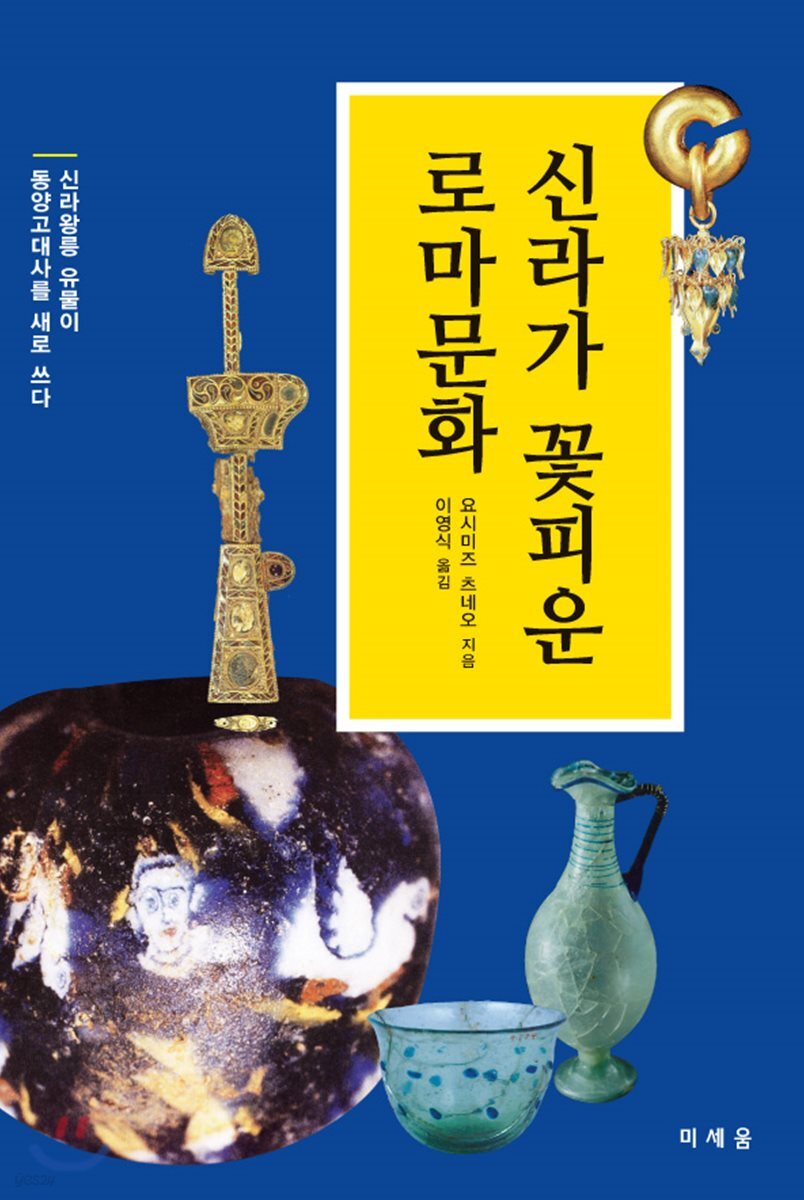
The inlaid beads were placed in the center of a necklace composed of small cobalt blue glass beads, agate beads, jade beads (jade), crystal beads, and agate curved beads (jade).
The figures and white birds carved into the beads were so small that they could not be seen unless one looked very closely.
I took out the magnifying glass and looked at it, then swallowed dry saliva with an exclamation of “Ah!”
“What a beautiful bead this is.”
It is truly the most beautiful portrait-patterned inlaid bead in the world, and there is only one of its kind in the world.
This is a very rare inlaid bead with portraits of the king and queen in the middle of a flying swan.
Judging from the manufacturing method, use of colors, and design, it is clear that these inlaid beads were made in the Roman world.
So how did these glass beads depicting portraits of kings and queens reach the kings of Silla in ancient Korea?
Why did they engrave the portraits of the king and queen on the inlaid beads?
What secret is hidden between the inlaid beads engraved with foreign kings and queens and the king of Silla?
The figures and white birds carved into the beads were so small that they could not be seen unless one looked very closely.
I took out the magnifying glass and looked at it, then swallowed dry saliva with an exclamation of “Ah!”
“What a beautiful bead this is.”
It is truly the most beautiful portrait-patterned inlaid bead in the world, and there is only one of its kind in the world.
This is a very rare inlaid bead with portraits of the king and queen in the middle of a flying swan.
Judging from the manufacturing method, use of colors, and design, it is clear that these inlaid beads were made in the Roman world.
So how did these glass beads depicting portraits of kings and queens reach the kings of Silla in ancient Korea?
Why did they engrave the portraits of the king and queen on the inlaid beads?
What secret is hidden between the inlaid beads engraved with foreign kings and queens and the king of Silla?
--- From the text
Publisher's Review
About 40 years ago, a Japanese scholar, while researching ancient glass, discovered that there were significant differences between glass vessels excavated from Korea, China, and Japan.
Among the glass vessels classified as Roman glass, Persian glass, and Chinese glass, Roman glass was excavated in large quantities in Silla during the 4th to 6th centuries.
While Roman glass produced in the Roman Empire during the Roman era was rarely excavated in Goguryeo and Silla during the same period, it was excavated everywhere in Silla tombs.
In addition, ornaments such as pure gold rings, earrings, necklaces, and bracelets are very similar in design and craftsmanship to those popular in the Greco-Roman world.
This was evidence that overturned the prevailing view that Goguryeo, Baekje, and Silla were countries under the influence of Chinese culture.
The author, who has been collecting data by chasing relics from Europe and West Asia, has uncovered the secrets of the ancient Silla kingdom, which was filled with a special culture.
First, the author wondered why archaeologists and historians had not questioned the artifacts excavated so far, and became convinced that Silla during the Three Kingdoms period enjoyed a completely different culture from Goguryeo or Baekje.
This book overturns the conventional wisdom that all cultures on the Korean Peninsula, from ancient times to the modern era, were influenced by Chinese culture, and proves the existence of a "Roman kingdom in the East" through materials from Silla tombs and surrounding empires.
Among the glass vessels classified as Roman glass, Persian glass, and Chinese glass, Roman glass was excavated in large quantities in Silla during the 4th to 6th centuries.
While Roman glass produced in the Roman Empire during the Roman era was rarely excavated in Goguryeo and Silla during the same period, it was excavated everywhere in Silla tombs.
In addition, ornaments such as pure gold rings, earrings, necklaces, and bracelets are very similar in design and craftsmanship to those popular in the Greco-Roman world.
This was evidence that overturned the prevailing view that Goguryeo, Baekje, and Silla were countries under the influence of Chinese culture.
The author, who has been collecting data by chasing relics from Europe and West Asia, has uncovered the secrets of the ancient Silla kingdom, which was filled with a special culture.
First, the author wondered why archaeologists and historians had not questioned the artifacts excavated so far, and became convinced that Silla during the Three Kingdoms period enjoyed a completely different culture from Goguryeo or Baekje.
This book overturns the conventional wisdom that all cultures on the Korean Peninsula, from ancient times to the modern era, were influenced by Chinese culture, and proves the existence of a "Roman kingdom in the East" through materials from Silla tombs and surrounding empires.
GOODS SPECIFICS
- Date of issue: January 15, 2018
- Page count, weight, size: 368 pages | 692g | 152*225*21mm
- ISBN13: 9791188602148
- ISBN10: 1188602144
You may also like
카테고리
korean


korean

![GQ KOREA Mark (Monthly): December [2025]](http://librairie.coreenne.fr/cdn/shop/files/8ef265dbbfbf186523ed75ba7319009d.jpg?v=1765340328&width=3840)


