

The Age of Extremes: A History of the 20th Century (Part 1)
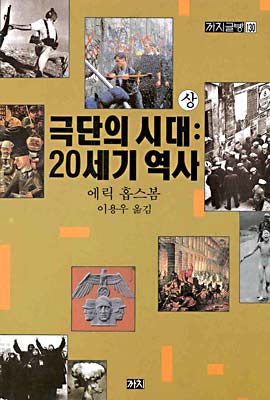 |
Description
Book Introduction
This book is a comprehensive history of the 20th century from World War I to the collapse of the Soviet Union. The author divides the 20th century into three stages: the "Age of Catastrophe (1914-1945)" of the turbulent years of World War I and II, the "Golden Age (1945-1973)" of post-war economic prosperity, and the "Landslide" (meaning collapse, 1973-1991) of the economic downturn following the oil shock.
index
1.
The Age of Doom
2.
The era of total war
3.
World Revolution
4.
Into the economic abyss
5.
The Fall of Liberalism
6.
Against a common enemy
7.
Art of 1914-45
8.
The End of Empires
9.
Golden Age
10.
cold war
11.
Golden Age
The Age of Doom
2.
The era of total war
3.
World Revolution
4.
Into the economic abyss
5.
The Fall of Liberalism
6.
Against a common enemy
7.
Art of 1914-45
8.
The End of Empires
9.
Golden Age
10.
cold war
11.
Golden Age
Into the book
Into the economic abyss
Ⅰ.
economic collapse
1.
The Great Depression and the Economic Recession
· World War I brought about the downfall of some European countries in the Old World, but the Great Depression between the two wars was perceived as a threat to the capitalist system itself.
· The persistent economic downturn since World War I has led to stagnation or decline in global economic integration.
· Severe inflation - individuals' savings disappear and industry stagnates.
Promote monetary reform
· There was a brief boom in the 1920s, but the collapse of the capitalist world economy began with the crash of the New York Stock Exchange in 1929.
2.
Preparation for fascism
· Currency reforms in each country dealt a serious blow to the German people who relied on fixed incomes and savings.
· This experience had a significant impact on the middle and lower middle classes of each country, and Central Europe prepared for fascism from this shock.
3.
unemployment
· The most important consequence of the Depression for wage earners was unemployment. (Nazi Germany was the only European country that successfully ended the Depression and eliminated unemployment.)
Mass unemployment had a devastating impact on the politics of industrialized countries (in Germany, the rapid increase in Nazi Party membership and the rise of the left wing).
'Next to war, unemployment is the most widespread, the most insidious, and the most corrosive disease of our generation.
It is a social disease peculiar to Western civilization in our time.'
· Force economic policymakers to seek political solutions.
It was determined that there was no solution to escaping the Great Depression through liberal economic policies.
· Economic plans modeled after the Soviet Union's NEP began to appear in various countries.
Ⅱ.
Causes of the Great Depression
1.
Causes of the economic recession
· After World War I, the United States achieved remarkable economic development, became an internationally important creditor nation, and the influence of the American economy on Europe was decisive.
· A recession in the U.S. economy means a recession in the global economy.
2.
Versailles Peace Conference (1919)
· Imposing on Germany the obligation to pay huge sums of money in compensation to the victorious powers
· The United States wants to link Germany's debt to the former Allied powers to the debt the Allied powers owe to Washington.
· Keynes argued that the restoration of a stable liberal civilization and economy in Europe would be impossible without the recovery of the German economy.
· The problem of how to pay reparations, forcing Germany to take out massive loans
* This series of reparations settlements made the world economic order highly sensitive to the decline in US lending that had already begun before the Depression and the subsequent cessation of US lending in the wake of the 1929 Wall Street crisis.
3.
Causes of the European economic collapse
· The growing imbalance in the international economy, primarily due to the imbalance between the development of the United States and the rest of the world (the difference between the United Kingdom and the United States).
· Focusing on the fact that the world economy has not been able to generate sufficient demand for sustained expansion.
Ⅲ.
The consequences of the Great Depression
1.
communism
· The Soviet Union's exceptional phenomenon, the fulfillment of Marx's prophecy
2.
reform capitalism
· A reformed capitalism, with a loss of faith in the best free market and a sort of informal or permanent link between the non-Communist labor movement and moderate social democracy, emerged as the most effective path after the end of World War II.
3.
fascism
· The panic turned fascism into a world movement, or more properly, a world danger.
German fascism was faster and more successful than any other way to deal with the Great Depression.
Ⅰ.
economic collapse
1.
The Great Depression and the Economic Recession
· World War I brought about the downfall of some European countries in the Old World, but the Great Depression between the two wars was perceived as a threat to the capitalist system itself.
· The persistent economic downturn since World War I has led to stagnation or decline in global economic integration.
· Severe inflation - individuals' savings disappear and industry stagnates.
Promote monetary reform
· There was a brief boom in the 1920s, but the collapse of the capitalist world economy began with the crash of the New York Stock Exchange in 1929.
2.
Preparation for fascism
· Currency reforms in each country dealt a serious blow to the German people who relied on fixed incomes and savings.
· This experience had a significant impact on the middle and lower middle classes of each country, and Central Europe prepared for fascism from this shock.
3.
unemployment
· The most important consequence of the Depression for wage earners was unemployment. (Nazi Germany was the only European country that successfully ended the Depression and eliminated unemployment.)
Mass unemployment had a devastating impact on the politics of industrialized countries (in Germany, the rapid increase in Nazi Party membership and the rise of the left wing).
'Next to war, unemployment is the most widespread, the most insidious, and the most corrosive disease of our generation.
It is a social disease peculiar to Western civilization in our time.'
· Force economic policymakers to seek political solutions.
It was determined that there was no solution to escaping the Great Depression through liberal economic policies.
· Economic plans modeled after the Soviet Union's NEP began to appear in various countries.
Ⅱ.
Causes of the Great Depression
1.
Causes of the economic recession
· After World War I, the United States achieved remarkable economic development, became an internationally important creditor nation, and the influence of the American economy on Europe was decisive.
· A recession in the U.S. economy means a recession in the global economy.
2.
Versailles Peace Conference (1919)
· Imposing on Germany the obligation to pay huge sums of money in compensation to the victorious powers
· The United States wants to link Germany's debt to the former Allied powers to the debt the Allied powers owe to Washington.
· Keynes argued that the restoration of a stable liberal civilization and economy in Europe would be impossible without the recovery of the German economy.
· The problem of how to pay reparations, forcing Germany to take out massive loans
* This series of reparations settlements made the world economic order highly sensitive to the decline in US lending that had already begun before the Depression and the subsequent cessation of US lending in the wake of the 1929 Wall Street crisis.
3.
Causes of the European economic collapse
· The growing imbalance in the international economy, primarily due to the imbalance between the development of the United States and the rest of the world (the difference between the United Kingdom and the United States).
· Focusing on the fact that the world economy has not been able to generate sufficient demand for sustained expansion.
Ⅲ.
The consequences of the Great Depression
1.
communism
· The Soviet Union's exceptional phenomenon, the fulfillment of Marx's prophecy
2.
reform capitalism
· A reformed capitalism, with a loss of faith in the best free market and a sort of informal or permanent link between the non-Communist labor movement and moderate social democracy, emerged as the most effective path after the end of World War II.
3.
fascism
· The panic turned fascism into a world movement, or more properly, a world danger.
German fascism was faster and more successful than any other way to deal with the Great Depression.
--- p.124-155
GOODS SPECIFICS
- Date of issue: March 31, 2009
- Page count, weight, size: 398 pages | 148*210*30mm
- ISBN13: 9788972914631
- ISBN10: 8972914630
You may also like
카테고리
korean


korean

![GQ KOREA Mark (Monthly): December [2025]](http://librairie.coreenne.fr/cdn/shop/files/8ef265dbbfbf186523ed75ba7319009d.jpg?v=1765340328&width=3840)


