

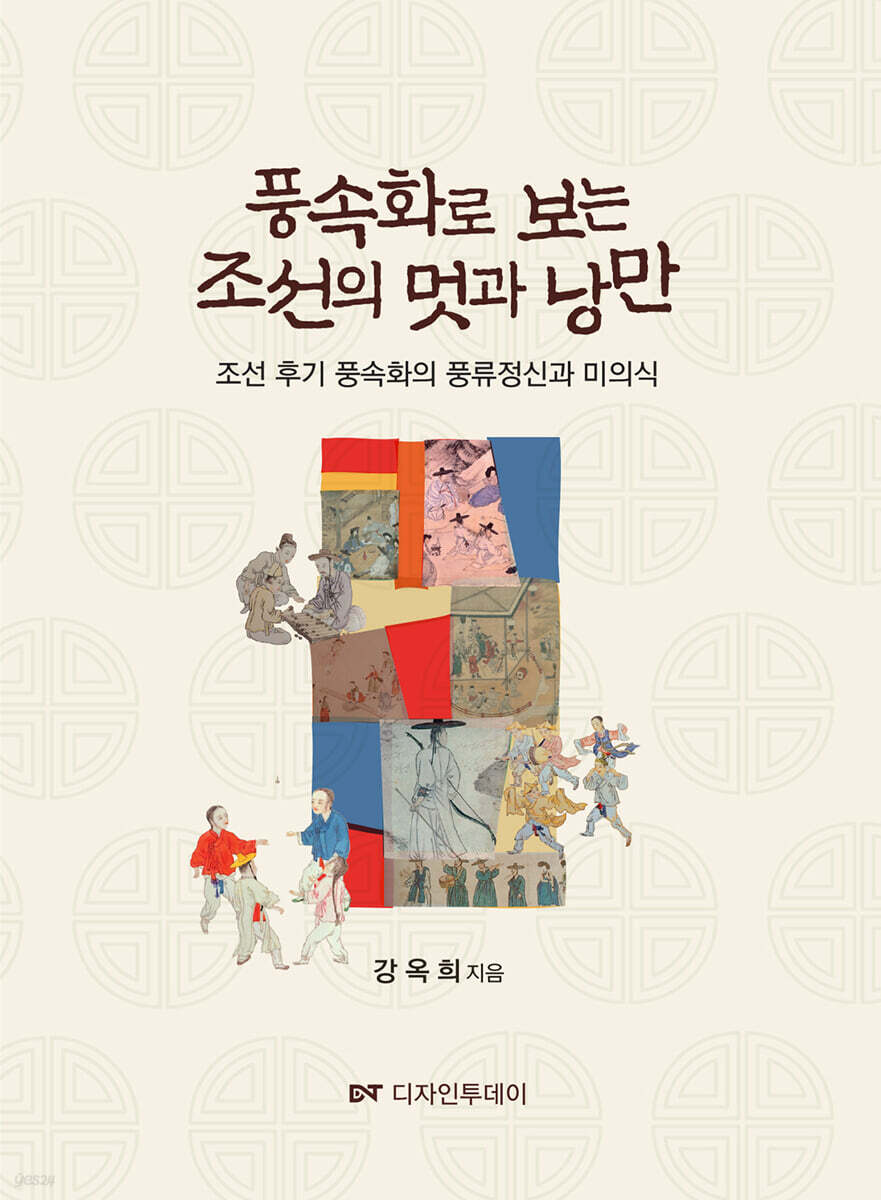
The elegance and romance of Joseon seen through genre paintings
 |
Description
Book Introduction
This is a collection of academic books that examines from various perspectives how genre painters of the late Joseon Dynasty artistically expressed the spirit of elegance amidst the collapse of the class system and social change, and demonstrated the convergence and modernity of traditional Korean art.
- You can preview some of the book's contents.
Preview
index
1.
The spirit of elegance and aesthetic consciousness in genre paintings of the late Joseon Dynasty
2.
The artistic expression and development of Korean-Chinese customs
3.
The Taoist aesthetic of elegance in genre paintings of the late Joseon Dynasty
4.
Taoist elegance in genre paintings of the late Joseon Dynasty
5.
The romanticism of late Joseon Dynasty painting and Taoist-oriented art
6.
Play culture by social class as seen in genre paintings from the late Joseon Dynasty
7.
The elegance of genre paintings in the late Joseon Dynasty
8.
The romantic and sensual image of wine and spring in genre paintings of the late Joseon Dynasty
9.
The convergent characteristics of Korean traditional art culture as seen through genre paintings of the late Joseon Dynasty
10.
The modernity and international universality of late Joseon genre paintings
11.
Characteristics of Western painting techniques in the three East Asian countries in the early modern period
12.
Comparison of literati paintings from the three East Asian countries in the early modern period
13.
Japanese Edo Period Painting and Modernity
The spirit of elegance and aesthetic consciousness in genre paintings of the late Joseon Dynasty
2.
The artistic expression and development of Korean-Chinese customs
3.
The Taoist aesthetic of elegance in genre paintings of the late Joseon Dynasty
4.
Taoist elegance in genre paintings of the late Joseon Dynasty
5.
The romanticism of late Joseon Dynasty painting and Taoist-oriented art
6.
Play culture by social class as seen in genre paintings from the late Joseon Dynasty
7.
The elegance of genre paintings in the late Joseon Dynasty
8.
The romantic and sensual image of wine and spring in genre paintings of the late Joseon Dynasty
9.
The convergent characteristics of Korean traditional art culture as seen through genre paintings of the late Joseon Dynasty
10.
The modernity and international universality of late Joseon genre paintings
11.
Characteristics of Western painting techniques in the three East Asian countries in the early modern period
12.
Comparison of literati paintings from the three East Asian countries in the early modern period
13.
Japanese Edo Period Painting and Modernity
Into the book
What this book focused on was the elegance expressed in genre paintings.
Pungryu is essentially a form of play, but it pursues artistry and aesthetics. Through genre paintings from the late Joseon Dynasty, it was confirmed that the aesthetic consciousness of style, vitality, humor, affection, and romance are inherent in various aesthetic forms of Pungryu, such as nature-friendly, limited, and secluded Pungryu, emotional, spirited, humorous, and spring-like Pungryu.
--- From the text
The spirit of elegance is expressed in various ways in genre paintings of the late Joseon Dynasty.
Pungryu is not simply a form of entertainment; it pursues artistry and aesthetics, and expresses Korean aesthetics such as style, vitality, humor, and elegance.
Shinmyeong is a representative aesthetic category that embodies freedom, excitement, spontaneity, transcendence, and positivity, while the essence of Pungryu lies in openness, freedom, and flexibility.
In genre painting, works that portray the aesthetic sense of Han or Jeonghan are rare.
--- From the text
In the late Joseon Dynasty, the Confucian upper-class culture, the shamanistic lower-class culture, and the female-port culture were fused together, revealing a unique Korean beauty that was both sublime and sophisticated, and this was reflected in genre paintings.
Pungryu is identified as the root of the development of Korean traditional arts and as a common East Asian aesthetic concept with international and universal value.
Pungryu is essentially a form of play, but it pursues artistry and aesthetics. Through genre paintings from the late Joseon Dynasty, it was confirmed that the aesthetic consciousness of style, vitality, humor, affection, and romance are inherent in various aesthetic forms of Pungryu, such as nature-friendly, limited, and secluded Pungryu, emotional, spirited, humorous, and spring-like Pungryu.
--- From the text
The spirit of elegance is expressed in various ways in genre paintings of the late Joseon Dynasty.
Pungryu is not simply a form of entertainment; it pursues artistry and aesthetics, and expresses Korean aesthetics such as style, vitality, humor, and elegance.
Shinmyeong is a representative aesthetic category that embodies freedom, excitement, spontaneity, transcendence, and positivity, while the essence of Pungryu lies in openness, freedom, and flexibility.
In genre painting, works that portray the aesthetic sense of Han or Jeonghan are rare.
--- From the text
In the late Joseon Dynasty, the Confucian upper-class culture, the shamanistic lower-class culture, and the female-port culture were fused together, revealing a unique Korean beauty that was both sublime and sophisticated, and this was reflected in genre paintings.
Pungryu is identified as the root of the development of Korean traditional arts and as a common East Asian aesthetic concept with international and universal value.
--- From the text
Publisher's Review
- Pungnyu spirit and aesthetic consciousness: Examine the interrelationships and system of Korean aesthetic categories in the context of the Pungnyu spirit, and analyze the Pungnyu aesthetic consciousness expressed in genre paintings.
- Artistic expression and development of Korean and Chinese customs: Comparison of the characteristics and differences between Korean and Chinese customs through examination of Wei and Jin customs and custom maps.
- Taoist aesthetic sense of style: The aesthetic sense of genre painting imbued with Taoist style of style is analyzed through aesthetic terms found in the “Che-seong” section of China’s “Wen-sim-jo-ryong (文心雕龍).”
- Taoist Elegance: A study of the aspects of Taoist Elegance reflected in genre paintings, including the idea of immortality derived from Taoism and Taoist thought.
- Romanticism, play culture, music, and drinking culture: Examining various specific aspects of Pungryu through the play, musical instruments, and drinking culture of each social class shown in genre paintings.
- Convergence of traditional arts: A study on the aesthetic characteristics of Korean traditional arts that combine Confucianism, Buddhism, Taoism, and Shamanism.
- Modernity and International Universality: A comparative study of the modernity and international universality of Korean genre paintings, focusing on the artistic consciousness and characteristics of the works of Kim Hong-do, Shin Yun-bok, and Kim Jun-geun.
- Characteristics of Western painting techniques in the three East Asian countries in the early modern period: Examine the traditions of the three East Asian countries and the introduction, development, and characteristics of Western painting techniques in the 18th and 19th centuries. In particular, compare and examine the influence of the introduction and acceptance of Western painting techniques in the early days on the traditional paintings and modernization processes of the three East Asian countries.
- Comparison of the literati paintings of the three East Asian countries in the early modern period: This study confirms that the literati paintings of the three East Asian countries in the early modern period are a distinctive East Asian aesthetic cultural heritage based on the spirit of innovation based on the past, and examines the literati paintings of the three East Asian countries in the context and values of cultural homogeneity.
- Japanese Edo Period Painting and Modernity: Based on the political, social, and cultural background and modernity of the early modern Edo period in Japan, this study examines the flow and characteristics of Nanpinha, Ukiyo-e, and Edo Western-style painting, which were the main tools of modernization at the time, thereby elucidating the birth of modernization in Japan and the nature and modernity of modern Japanese art.
Late Joseon Dynasty genre paintings are considered to be modern paintings that reflect the reality of contemporary social changes and artistic expressions of the Korean spirit of elegance, and are also connected to the roots of today's Korean Wave (K-Culture).
- Artistic expression and development of Korean and Chinese customs: Comparison of the characteristics and differences between Korean and Chinese customs through examination of Wei and Jin customs and custom maps.
- Taoist aesthetic sense of style: The aesthetic sense of genre painting imbued with Taoist style of style is analyzed through aesthetic terms found in the “Che-seong” section of China’s “Wen-sim-jo-ryong (文心雕龍).”
- Taoist Elegance: A study of the aspects of Taoist Elegance reflected in genre paintings, including the idea of immortality derived from Taoism and Taoist thought.
- Romanticism, play culture, music, and drinking culture: Examining various specific aspects of Pungryu through the play, musical instruments, and drinking culture of each social class shown in genre paintings.
- Convergence of traditional arts: A study on the aesthetic characteristics of Korean traditional arts that combine Confucianism, Buddhism, Taoism, and Shamanism.
- Modernity and International Universality: A comparative study of the modernity and international universality of Korean genre paintings, focusing on the artistic consciousness and characteristics of the works of Kim Hong-do, Shin Yun-bok, and Kim Jun-geun.
- Characteristics of Western painting techniques in the three East Asian countries in the early modern period: Examine the traditions of the three East Asian countries and the introduction, development, and characteristics of Western painting techniques in the 18th and 19th centuries. In particular, compare and examine the influence of the introduction and acceptance of Western painting techniques in the early days on the traditional paintings and modernization processes of the three East Asian countries.
- Comparison of the literati paintings of the three East Asian countries in the early modern period: This study confirms that the literati paintings of the three East Asian countries in the early modern period are a distinctive East Asian aesthetic cultural heritage based on the spirit of innovation based on the past, and examines the literati paintings of the three East Asian countries in the context and values of cultural homogeneity.
- Japanese Edo Period Painting and Modernity: Based on the political, social, and cultural background and modernity of the early modern Edo period in Japan, this study examines the flow and characteristics of Nanpinha, Ukiyo-e, and Edo Western-style painting, which were the main tools of modernization at the time, thereby elucidating the birth of modernization in Japan and the nature and modernity of modern Japanese art.
Late Joseon Dynasty genre paintings are considered to be modern paintings that reflect the reality of contemporary social changes and artistic expressions of the Korean spirit of elegance, and are also connected to the roots of today's Korean Wave (K-Culture).
GOODS SPECIFICS
- Date of issue: September 30, 2025
- Page count, weight, size: 496 pages | 160*218mm
- ISBN13: 9791197694370
- ISBN10: 1197694374
You may also like
카테고리
korean


korean

![GQ KOREA Mark (Monthly): December [2025]](http://librairie.coreenne.fr/cdn/shop/files/8ef265dbbfbf186523ed75ba7319009d.jpg?v=1765340328&width=3840)


