

Islam speaks of Silla
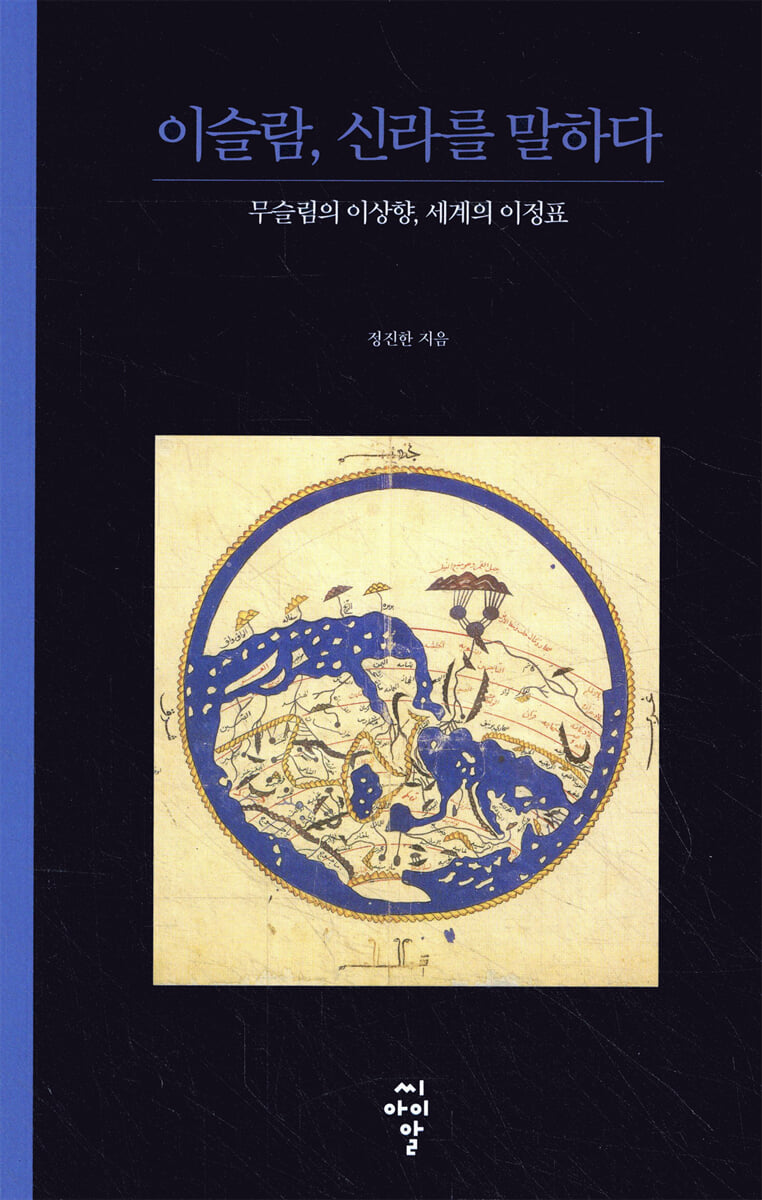 |
Description
Book Introduction
Tracing the Traces of Silla Recorded by Muslims
Silla, the easternmost civilization in the Islamic world
By the 7th century, the Arabs, riding on the backs of the religion of Islam, had advanced to the ends of the Mediterranean Sea and the Indian Ocean, traversing vast territories previously unexplored by any humankind. By seeing with their own eyes and hearing with their own ears, they compiled the most extensive and precise world geographic information about nature and people distributed in every corner of the world.
Surprisingly, the last page of this extensive geography encyclopedia was filled with a short but powerful entry: Silla, the nation that unified the ancient kingdoms of the Korean Peninsula.
Quite unusually, these medieval Muslims left behind a rich and varied record of Silla, a country previously overlooked by no other writer outside East Asia, either ancient or medieval.
This book traces the traces of Silla recorded in manuscripts and ancient documents of the Islamic world and examines how Muslims viewed and evaluated Silla.
Silla was perceived by Muslims as the second most important East Asian country after China.
Silla, a center of international trade in the late 9th century Tang Dynasty, attracted attention during the period when Muslims were active in East Asia and held an important position in relations with China.
It was also believed that Muslims who migrated to Silla were attracted by the land's abundance and comfort and did not return, and this belief persisted for a long time even after the fall of Silla.
Muslims' perception of Silla was not limited to understanding a single country, but also influenced the cosmology and worldview of the Islamic world, and even the worldview of Europe and East Asia.
Silla was also linked to the perception of Southeast Asia as a 'golden island' that Muslims regarded as an ideal, and this later provided the motivation for Europeans to set out in search of the legendary island they called 'Zipangu'.
However, while these perceptions were being formed, Silla and Goryeo did not actively intervene, and it is highly likely that they were not even aware of the Muslims' assessment of Silla.
Nonetheless, it is certain that Silla was a protagonist of a 'quiet influence' that had a great influence on the medieval Islamic world and later on European geography.
This book looks back on the special interest Muslims had for an Eastern country in the past, and presents a new side of Silla that we had not known about, through a Muslim perspective.
Silla, the easternmost civilization in the Islamic world
By the 7th century, the Arabs, riding on the backs of the religion of Islam, had advanced to the ends of the Mediterranean Sea and the Indian Ocean, traversing vast territories previously unexplored by any humankind. By seeing with their own eyes and hearing with their own ears, they compiled the most extensive and precise world geographic information about nature and people distributed in every corner of the world.
Surprisingly, the last page of this extensive geography encyclopedia was filled with a short but powerful entry: Silla, the nation that unified the ancient kingdoms of the Korean Peninsula.
Quite unusually, these medieval Muslims left behind a rich and varied record of Silla, a country previously overlooked by no other writer outside East Asia, either ancient or medieval.
This book traces the traces of Silla recorded in manuscripts and ancient documents of the Islamic world and examines how Muslims viewed and evaluated Silla.
Silla was perceived by Muslims as the second most important East Asian country after China.
Silla, a center of international trade in the late 9th century Tang Dynasty, attracted attention during the period when Muslims were active in East Asia and held an important position in relations with China.
It was also believed that Muslims who migrated to Silla were attracted by the land's abundance and comfort and did not return, and this belief persisted for a long time even after the fall of Silla.
Muslims' perception of Silla was not limited to understanding a single country, but also influenced the cosmology and worldview of the Islamic world, and even the worldview of Europe and East Asia.
Silla was also linked to the perception of Southeast Asia as a 'golden island' that Muslims regarded as an ideal, and this later provided the motivation for Europeans to set out in search of the legendary island they called 'Zipangu'.
However, while these perceptions were being formed, Silla and Goryeo did not actively intervene, and it is highly likely that they were not even aware of the Muslims' assessment of Silla.
Nonetheless, it is certain that Silla was a protagonist of a 'quiet influence' that had a great influence on the medieval Islamic world and later on European geography.
This book looks back on the special interest Muslims had for an Eastern country in the past, and presents a new side of Silla that we had not known about, through a Muslim perspective.
- You can preview some of the book's contents.
Preview
index
Entering
Chapter 1: Korea, the First Encounter with Muslims: Silla, the Rich and Attractive Island
Navigators who came to East Asia took note of Silla's cultural heritage and diplomacy.
The Islamic Empire's intelligence chief takes note of Muslims arriving in Silla.
What kind of goods did Muslims exchange with Silla?
Adding a fun twist to your repertoire
Chapter 2: The History of Silla Created by Muslims: From Moses to the Kings of Silla
Islamic view of history and worldview based on the Bible and the Quran
Islamic Biblical Understanding of Korea and China
Strengthening its position as a paradise at the easternmost tip of the world
Chapter 3: Silla's Latitude and Longitude Given by Muslims, and the World Within It, from the Mediterranean to India
Foreign teachers who taught Muslims latitude and longitude
Replace the imaginary world with the real world through adventure
Why was Silla seen as being near the equator?
Chapter 4: The Two Ends of the World: The Canary Islands and Silla
The Canary Islands in the Atlantic Ocean appear as Silla's partners.
You must be twins! Silla and the Canary Islands
Rolling Stone Silla Occupies 180 Degrees East
Going out
Americas
References
Chapter 1: Korea, the First Encounter with Muslims: Silla, the Rich and Attractive Island
Navigators who came to East Asia took note of Silla's cultural heritage and diplomacy.
The Islamic Empire's intelligence chief takes note of Muslims arriving in Silla.
What kind of goods did Muslims exchange with Silla?
Adding a fun twist to your repertoire
Chapter 2: The History of Silla Created by Muslims: From Moses to the Kings of Silla
Islamic view of history and worldview based on the Bible and the Quran
Islamic Biblical Understanding of Korea and China
Strengthening its position as a paradise at the easternmost tip of the world
Chapter 3: Silla's Latitude and Longitude Given by Muslims, and the World Within It, from the Mediterranean to India
Foreign teachers who taught Muslims latitude and longitude
Replace the imaginary world with the real world through adventure
Why was Silla seen as being near the equator?
Chapter 4: The Two Ends of the World: The Canary Islands and Silla
The Canary Islands in the Atlantic Ocean appear as Silla's partners.
You must be twins! Silla and the Canary Islands
Rolling Stone Silla Occupies 180 Degrees East
Going out
Americas
References
GOODS SPECIFICS
- Date of issue: April 28, 2025
- Page count, weight, size: 148 pages | 140*215*20mm
- ISBN13: 9791168563209
- ISBN10: 1168563208
You may also like
카테고리
korean


korean

![GQ KOREA Mark (Monthly): December [2025]](http://librairie.coreenne.fr/cdn/shop/files/8ef265dbbfbf186523ed75ba7319009d.jpg?v=1765340328&width=3840)


