

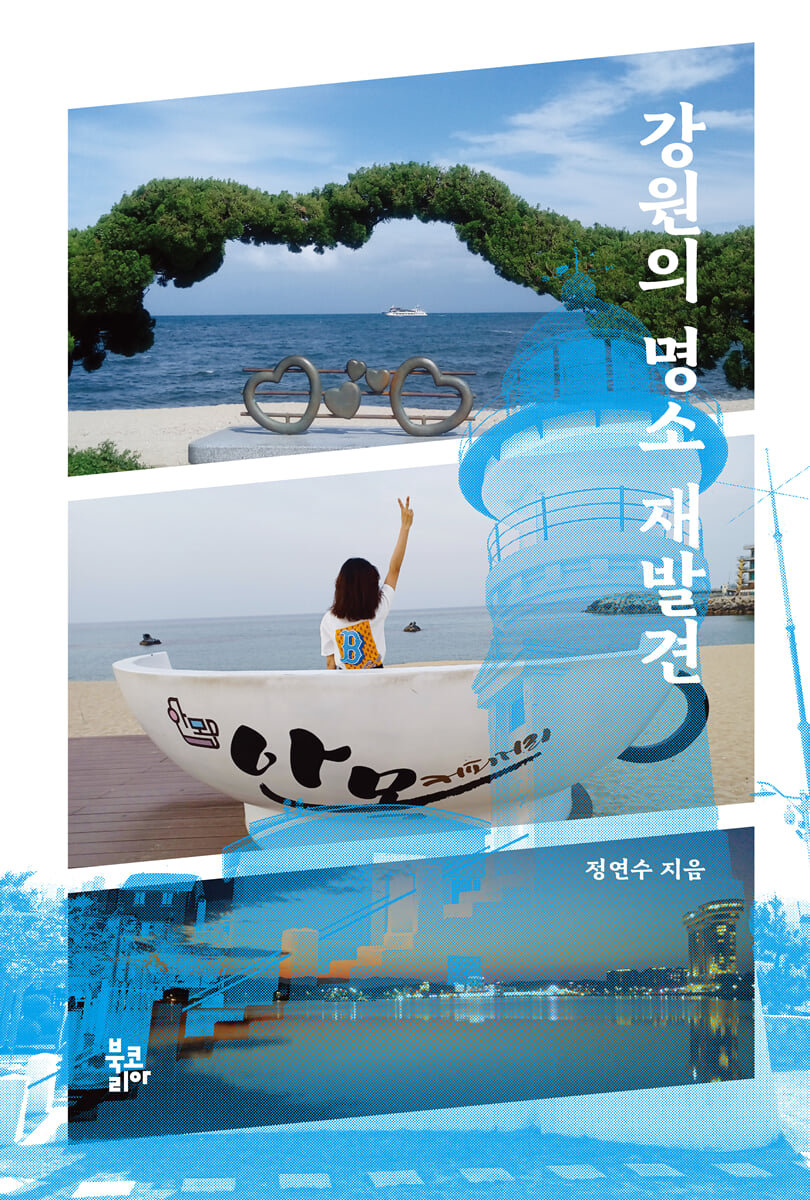
Rediscover Gangwon's famous attractions
 |
Description
Book Introduction
A place goes beyond a simple physical space and acquires its own unique sense of place as time accumulates, people's lives are engraved, and culture is created.
This book delves into the unique places created by time and culture in the Gangwon-do region.
This book delves into how places like the DMZ, which overcame the pain of division and was reborn as an ecological resource space; Jeongdongjin, which transformed from a mining town into a sunrise spot; and Anmok Coffee Street, which industrialized and became a famous spot through coffee. It analyzes in depth how these places have changed and how these changes can be interpreted as a reflection of the social and cultural context of Gangwon-do.
The unique culture created by the displaced people in Abai Village in Cheongho-dong, the Bongpyeong buckwheat fields that gave birth to Lee Hyo-seok's novels, the land cultural space created by the existence of the writer Park Kyung-ni, and other vivid examples of the interaction between places and people, as well as the case of the rise of new tourist attractions through the addition of Nongoldamgil and Dojjaebigol storytelling centered around Mukho Lighthouse, show living evidence of the changes and growth of our society, not just tourist attractions.
Furthermore, the rebirth of the Gyeongpo Prickly Pear Practice Site demonstrates that the changes in places within Gangwon-do, in line with the global ecological movement, go beyond mere regional changes and reflect social, environmental, and ideological contexts.
This book analyzes how Gangwon-do, a place, acquired new meaning through examples of repurposed spaces, and even suggests possibilities for future reconfiguration of places.
Examining Gangwon's modern cultural heritage, analyzing the novel "Black Deer" in detail, and linking coffee culture to the ancient pavilion culture of the Eight Scenic Views of Gwandong are all intended to suggest a direction for re-localization.
It also analyzes the influence of the "life shot" culture of the SNS era on places, emphasizing the value of places that go beyond mere attractions and are imbued with cultural stories and regional identity.
The author sought to go beyond the transmission of information and reflect on the meaning and value of a place from a humanistic perspective.
It provides an in-depth discussion on the direction of the new places we will create, and suggests that the change of place is not simply a physical change, but a process that creates new meaning from a humanistic perspective.
We also wanted to show how places in Gangwon-do connect the past and present and prepare for the future.
We hope to serve as a guide for the re-localization of local spaces.
This book delves into the unique places created by time and culture in the Gangwon-do region.
This book delves into how places like the DMZ, which overcame the pain of division and was reborn as an ecological resource space; Jeongdongjin, which transformed from a mining town into a sunrise spot; and Anmok Coffee Street, which industrialized and became a famous spot through coffee. It analyzes in depth how these places have changed and how these changes can be interpreted as a reflection of the social and cultural context of Gangwon-do.
The unique culture created by the displaced people in Abai Village in Cheongho-dong, the Bongpyeong buckwheat fields that gave birth to Lee Hyo-seok's novels, the land cultural space created by the existence of the writer Park Kyung-ni, and other vivid examples of the interaction between places and people, as well as the case of the rise of new tourist attractions through the addition of Nongoldamgil and Dojjaebigol storytelling centered around Mukho Lighthouse, show living evidence of the changes and growth of our society, not just tourist attractions.
Furthermore, the rebirth of the Gyeongpo Prickly Pear Practice Site demonstrates that the changes in places within Gangwon-do, in line with the global ecological movement, go beyond mere regional changes and reflect social, environmental, and ideological contexts.
This book analyzes how Gangwon-do, a place, acquired new meaning through examples of repurposed spaces, and even suggests possibilities for future reconfiguration of places.
Examining Gangwon's modern cultural heritage, analyzing the novel "Black Deer" in detail, and linking coffee culture to the ancient pavilion culture of the Eight Scenic Views of Gwandong are all intended to suggest a direction for re-localization.
It also analyzes the influence of the "life shot" culture of the SNS era on places, emphasizing the value of places that go beyond mere attractions and are imbued with cultural stories and regional identity.
The author sought to go beyond the transmission of information and reflect on the meaning and value of a place from a humanistic perspective.
It provides an in-depth discussion on the direction of the new places we will create, and suggests that the change of place is not simply a physical change, but a process that creates new meaning from a humanistic perspective.
We also wanted to show how places in Gangwon-do connect the past and present and prepare for the future.
We hope to serve as a guide for the re-localization of local spaces.
- You can preview some of the book's contents.
Preview
index
While publishing the book
Chapter 1: Understanding Gangwon's Place and Identity
1.
Understanding the identity of the Gangwon region
2.
Gangwon's Cities Through Slogans
3.
Homo Mobilians: Life Shots and the Changing Places
Chapter 2: Exploring the Meaning of Division and Peace in Gangwon's DMZ
1.
The hijacking of KAL flight departing from Gangneung Airport and the death of poet Kim Su-young
2. Peace and Ecology Walking Along the DMZ
Chapter 3: Awareness of Division and Sense of Place in Gangwon Literature
1.
Division of the nation, division of Gangwon
2.
Armistice, but still a battlefield
3.
Translocality in Abai Village, Cheongho-dong
4.
The challenges posed by the place of division
Chapter 4: Industrial Change and Re-localization of Jeongdongjin
1.
Jeongdongjin, a famous sunrise spot, is a coal mining town?
2.
Jeongdongjin, a coal mining town unknown even to Gangneung residents
3.
Re-localization of Jeongdongjin: Coal Mine, Video, Transportation, and Tourism
Chapter 5: The Birth of Anmok Coffee Street and the Industrialization of Gangneung Coffee
1.
How 'thinking drink' coffee came to Gangneung
2.
Seven Factors That Make Gangneung a Coffee Mecca
Chapter 6: Gyeongpo Prickly Pear Practice Site and Ecology
1.
Exploring Sunpo Wetland and Gyeongpo Prickly Pear Wetland
2.
Thoreau's Walden and Understanding Ecology
Chapter 7: The Development of Marine Tourism Resources: Jumunjin Lighthouse and Mukho Lighthouse
1.
Picnic to the Lighthouse
2.
Jumunjin Lighthouse, the first in Gangwon-do
3.
Mukho Lighthouse, Nongoldamgil, Dojjaebigol Sky Valley, Haerang Observatory
Chapter 8: The Value of the Eight Scenic Views of Gwandong and the Power of Cultural Industries
1.
The Eight Scenic Views of Gwandong from Gyeongpodae
2.
From Heonhwa-ro in Gangneung to the site of Haegasa Temple in Samcheok
3.
The Glass Land and Pinocchio Land, shaped by Samcheok's identity
Chapter 9: Taebaek City Revisited through the Nobel Prize-winning Author's "Black Deer"
1.
Points of agreement between Hwanggok City and Taebaek City
2.
Key Symbols of a Coal Mining Village as Seen in "Black Deer"
3.
Taebaek, fortunately for its yellow valley, and the symbol of the 'black deer'
4.
Taebaek City's cultural content utilizing "Black Deer"
Chapter 10: Places Changed by Literature: Pyeongchang's Buckwheat Flowers and Wonju's Land
1.
Pyeongchang's Bongpyeong Buckwheat Fields: How a Novel Knew How the Buckwheat Industry Came to Life
2.
Cultural Products Born from Park Kyung-ni: Park Kyung-ni Literature Museum and Land Park
Chapter 11: Gangwon's Art Spaces and Modern Cultural Heritage Spaces
1.
Park Soo-keun Art Museum in Yanggu
2.
Understanding Gangwon-do's Modern Cultural Heritage
Chapter 1: Understanding Gangwon's Place and Identity
1.
Understanding the identity of the Gangwon region
2.
Gangwon's Cities Through Slogans
3.
Homo Mobilians: Life Shots and the Changing Places
Chapter 2: Exploring the Meaning of Division and Peace in Gangwon's DMZ
1.
The hijacking of KAL flight departing from Gangneung Airport and the death of poet Kim Su-young
2. Peace and Ecology Walking Along the DMZ
Chapter 3: Awareness of Division and Sense of Place in Gangwon Literature
1.
Division of the nation, division of Gangwon
2.
Armistice, but still a battlefield
3.
Translocality in Abai Village, Cheongho-dong
4.
The challenges posed by the place of division
Chapter 4: Industrial Change and Re-localization of Jeongdongjin
1.
Jeongdongjin, a famous sunrise spot, is a coal mining town?
2.
Jeongdongjin, a coal mining town unknown even to Gangneung residents
3.
Re-localization of Jeongdongjin: Coal Mine, Video, Transportation, and Tourism
Chapter 5: The Birth of Anmok Coffee Street and the Industrialization of Gangneung Coffee
1.
How 'thinking drink' coffee came to Gangneung
2.
Seven Factors That Make Gangneung a Coffee Mecca
Chapter 6: Gyeongpo Prickly Pear Practice Site and Ecology
1.
Exploring Sunpo Wetland and Gyeongpo Prickly Pear Wetland
2.
Thoreau's Walden and Understanding Ecology
Chapter 7: The Development of Marine Tourism Resources: Jumunjin Lighthouse and Mukho Lighthouse
1.
Picnic to the Lighthouse
2.
Jumunjin Lighthouse, the first in Gangwon-do
3.
Mukho Lighthouse, Nongoldamgil, Dojjaebigol Sky Valley, Haerang Observatory
Chapter 8: The Value of the Eight Scenic Views of Gwandong and the Power of Cultural Industries
1.
The Eight Scenic Views of Gwandong from Gyeongpodae
2.
From Heonhwa-ro in Gangneung to the site of Haegasa Temple in Samcheok
3.
The Glass Land and Pinocchio Land, shaped by Samcheok's identity
Chapter 9: Taebaek City Revisited through the Nobel Prize-winning Author's "Black Deer"
1.
Points of agreement between Hwanggok City and Taebaek City
2.
Key Symbols of a Coal Mining Village as Seen in "Black Deer"
3.
Taebaek, fortunately for its yellow valley, and the symbol of the 'black deer'
4.
Taebaek City's cultural content utilizing "Black Deer"
Chapter 10: Places Changed by Literature: Pyeongchang's Buckwheat Flowers and Wonju's Land
1.
Pyeongchang's Bongpyeong Buckwheat Fields: How a Novel Knew How the Buckwheat Industry Came to Life
2.
Cultural Products Born from Park Kyung-ni: Park Kyung-ni Literature Museum and Land Park
Chapter 11: Gangwon's Art Spaces and Modern Cultural Heritage Spaces
1.
Park Soo-keun Art Museum in Yanggu
2.
Understanding Gangwon-do's Modern Cultural Heritage
GOODS SPECIFICS
- Date of issue: March 10, 2025
- Format: Paperback book binding method guide
- Page count, weight, size: 290 pages | 152*225*20mm
- ISBN13: 9791194299301
- ISBN10: 119429930X
You may also like
카테고리
korean


korean

![GQ KOREA Mark (Monthly): December [2025]](http://librairie.coreenne.fr/cdn/shop/files/8ef265dbbfbf186523ed75ba7319009d.jpg?v=1765340328&width=3840)


