

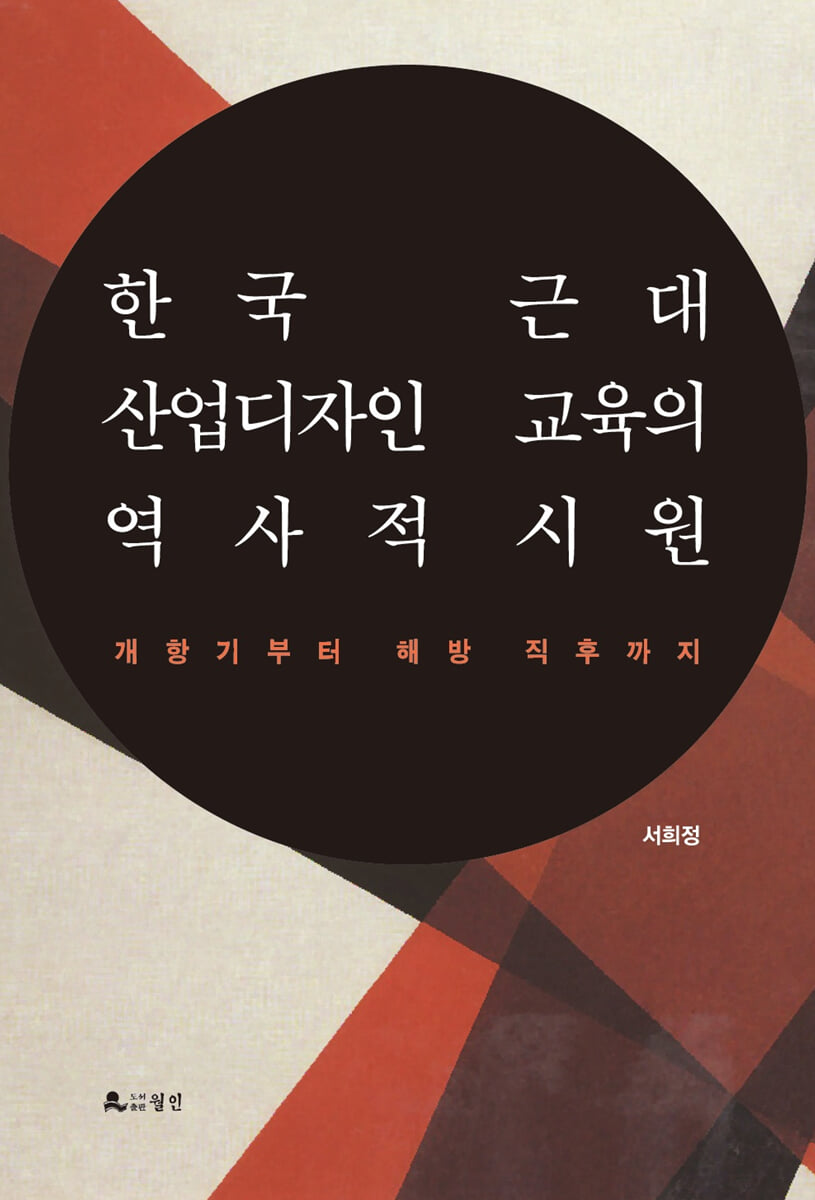
The historical origins of modern industrial design education in Korea
 |
Description
Book Introduction
This book is divided into three major parts, starting from the Korean Empire, which began to attempt independent modernization despite being shaken by foreign interference after the opening of the country, through the Japanese colonial period, and ending with the liberation period in the 1950s, when the remnants of colonial education were liquidated and a new era was built by establishing the Republic of Korea as a democratic and independent nation.
Part 1 is the Korean Empire, Part 2 is the Japanese colonial period, and Part 3 is the liberation period of the Republic of Korea in the 1950s.
The author examines the aspects of modern drawing education as the historical origin of modern industrial design education in Korea.
In other words, this study investigated and collected historical materials, focusing on the human capacity and efforts for independent self-development of a small number of 'individual Koreans' that had been obscured by the grand narratives of colonial exploitation and colonial modernization.
Thus, in the dynamic flow of history from the opening of ports to the liberation period, 'Each Korean' described how they viewed the beginning of Korea's modern industry and what they wanted to develop for modern industrial design education for this purpose.
Part 1 is the Korean Empire, Part 2 is the Japanese colonial period, and Part 3 is the liberation period of the Republic of Korea in the 1950s.
The author examines the aspects of modern drawing education as the historical origin of modern industrial design education in Korea.
In other words, this study investigated and collected historical materials, focusing on the human capacity and efforts for independent self-development of a small number of 'individual Koreans' that had been obscured by the grand narratives of colonial exploitation and colonial modernization.
Thus, in the dynamic flow of history from the opening of ports to the liberation period, 'Each Korean' described how they viewed the beginning of Korea's modern industry and what they wanted to develop for modern industrial design education for this purpose.
index
Part 1.
The Roots of Industrial Design Education in the Korean Empire
Chapter 1.
The modern painting education that began during the Gojong era, with the dream of a wealthy and powerful nation, at the government-run industrial training center.
1.
Vocational education and the establishment of government-run industrial training centers as new forms of education during the Enlightenment period
2.
Two Views: The Government-Owned Industrial Training Institute in 1907 and the Government-General of Korea Industrial Training Institute in 1910
3.
Gojong: Belief in modernization through courageous education
Chapter 2.
The Origins of Korean Industrial Design Concepts as Seen in the Industrial Research Association and the Industrial World
1.
『Industrial World』, published by Shin Gyu-sik and Park Chan-ik, the pride of modern Korean engineers
2.
The concept of industrial design as seen in 『Industrial World』
Part 2.
Koreans who encountered the Bauhaus during the Japanese colonial period
Chapter 3.
Encountering Japanese Bauhaus education through studying abroad in Tokyo
1.
Introduction of Bauhaus education in Japan
2.
Design education at the Imperial Art School since 1935
3.
Kim Jae-seok: The Encounter between Imperial Art School International Students and Bauhaus Education
Chapter 4.
A Solitary Exploration of Japanese-Style Bauhaus Education in Korea
1.
The introduction of Bauhaus education in Korea
2.
Characteristics of the introduction of Bauhaus education in Korea
3.
Choi Yu-ryeon: A Teacher Who Explored Bauhaus Education Alone
· Choi Yu-ryeon's documentary photography/design, sketch, landscape, portrait, still life study/photographic work
Chapter 5.
The bare face of colonial power's local city development and art education
1.
Studies on the modernization of local cities during the Japanese colonial period
2.
Regional economic development and modern education in Daegu and Yongin
3.
Colonial Modernity of Modern Painting Education in Daegu and Yongin
Part 3.
Eliminating the remnants of colonial education immediately after liberation
Chapter 6.
The introduction and transformation of creativity-centered visual education in the United States in the late 1950s
1.
A Study on the Liquidation of Japanese Colonial Education after Liberation
2.
Nurturing Democratic Human Beings: Through Creativity-Centered Art Education
3.
Park Hwi-rak: Art Education in Our Schools Based on the New Curriculum ② (1964)
· In closing: With a chance encounter and fateful encounter __251
· Appendix: Locations of valuable materials, table of contents, and Korean translation of main contents
1.
Industrial Research Society, 『Industrial World』 (1909-1910), Vol. 5
2.
Choi Yu-ryeon's 『Dohwagwajido Semok』 (1938) Main text and Korean annotations: Park Hwi-rak's private collection
3.
Park Hwi-rak's major theoretical reference work, Education for Peace (1959): Table of Contents, Seo Hee-jeong's personal collection
The Roots of Industrial Design Education in the Korean Empire
Chapter 1.
The modern painting education that began during the Gojong era, with the dream of a wealthy and powerful nation, at the government-run industrial training center.
1.
Vocational education and the establishment of government-run industrial training centers as new forms of education during the Enlightenment period
2.
Two Views: The Government-Owned Industrial Training Institute in 1907 and the Government-General of Korea Industrial Training Institute in 1910
3.
Gojong: Belief in modernization through courageous education
Chapter 2.
The Origins of Korean Industrial Design Concepts as Seen in the Industrial Research Association and the Industrial World
1.
『Industrial World』, published by Shin Gyu-sik and Park Chan-ik, the pride of modern Korean engineers
2.
The concept of industrial design as seen in 『Industrial World』
Part 2.
Koreans who encountered the Bauhaus during the Japanese colonial period
Chapter 3.
Encountering Japanese Bauhaus education through studying abroad in Tokyo
1.
Introduction of Bauhaus education in Japan
2.
Design education at the Imperial Art School since 1935
3.
Kim Jae-seok: The Encounter between Imperial Art School International Students and Bauhaus Education
Chapter 4.
A Solitary Exploration of Japanese-Style Bauhaus Education in Korea
1.
The introduction of Bauhaus education in Korea
2.
Characteristics of the introduction of Bauhaus education in Korea
3.
Choi Yu-ryeon: A Teacher Who Explored Bauhaus Education Alone
· Choi Yu-ryeon's documentary photography/design, sketch, landscape, portrait, still life study/photographic work
Chapter 5.
The bare face of colonial power's local city development and art education
1.
Studies on the modernization of local cities during the Japanese colonial period
2.
Regional economic development and modern education in Daegu and Yongin
3.
Colonial Modernity of Modern Painting Education in Daegu and Yongin
Part 3.
Eliminating the remnants of colonial education immediately after liberation
Chapter 6.
The introduction and transformation of creativity-centered visual education in the United States in the late 1950s
1.
A Study on the Liquidation of Japanese Colonial Education after Liberation
2.
Nurturing Democratic Human Beings: Through Creativity-Centered Art Education
3.
Park Hwi-rak: Art Education in Our Schools Based on the New Curriculum ② (1964)
· In closing: With a chance encounter and fateful encounter __251
· Appendix: Locations of valuable materials, table of contents, and Korean translation of main contents
1.
Industrial Research Society, 『Industrial World』 (1909-1910), Vol. 5
2.
Choi Yu-ryeon's 『Dohwagwajido Semok』 (1938) Main text and Korean annotations: Park Hwi-rak's private collection
3.
Park Hwi-rak's major theoretical reference work, Education for Peace (1959): Table of Contents, Seo Hee-jeong's personal collection
GOODS SPECIFICS
- Date of issue: February 28, 2025
- Page count, weight, size: 316 pages | 153*225*30mm
- ISBN13: 9788984777392
- ISBN10: 8984777390
You may also like
카테고리
korean


korean

![GQ KOREA Mark (Monthly): December [2025]](http://librairie.coreenne.fr/cdn/shop/files/8ef265dbbfbf186523ed75ba7319009d.jpg?v=1765340328&width=3840)


