

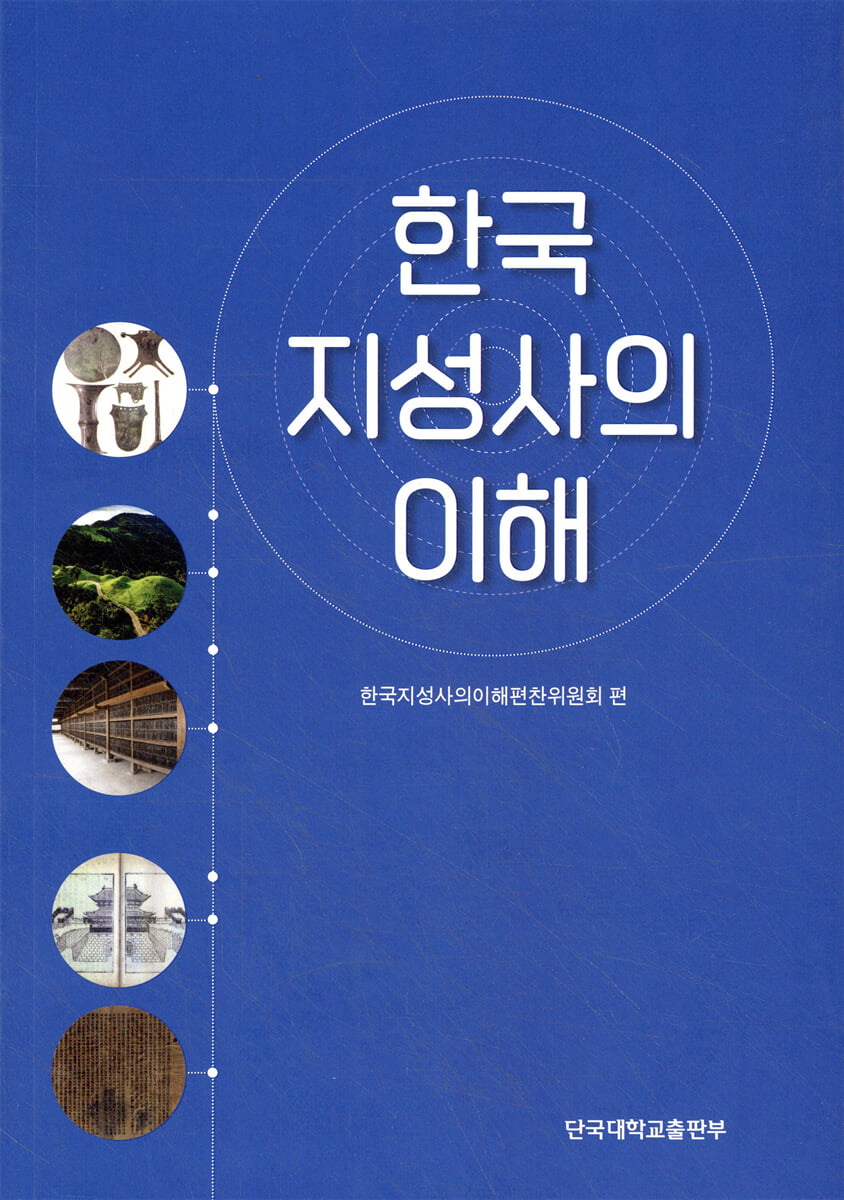
Understanding Korean Intellectual History
 |
Description
Book Introduction
Since the appearance of humans on Earth, human civilization and culture have continuously developed.
All of this is history, and progress was possible because there was an invisible intelligence behind it.
It can be said that intelligence has been the driving force behind human development.
Recent advancements in science and technology are surpassing human limitations.
It now feels like robots and AI, which have surpassed human limitations, are slowly encroaching on humanity.
So I'm both curious and afraid about the future.
With these changes, the paradigm of history education is finding a new direction.
Nowadays, through various media such as the Internet, it has become possible to easily and accurately access historical facts and content, even if they are not facts.
We have entered an era where we can learn things on our own without having to listen to explanations or learn anything.
So, rather than knowing and memorizing a lot of historical facts or knowledge, or relying on given knowledge, we are moving towards thinking for ourselves and analyzing cause and effect based on our own values and consciousness.
This can be said to be the right direction.
In line with the flow of these zeitgeist trends, I attempted to approach the flow of intellect that formed the basis of human history, that is, the history of intellect, from the perspective of historical studies rather than philosophy or ideology.
All of this is history, and progress was possible because there was an invisible intelligence behind it.
It can be said that intelligence has been the driving force behind human development.
Recent advancements in science and technology are surpassing human limitations.
It now feels like robots and AI, which have surpassed human limitations, are slowly encroaching on humanity.
So I'm both curious and afraid about the future.
With these changes, the paradigm of history education is finding a new direction.
Nowadays, through various media such as the Internet, it has become possible to easily and accurately access historical facts and content, even if they are not facts.
We have entered an era where we can learn things on our own without having to listen to explanations or learn anything.
So, rather than knowing and memorizing a lot of historical facts or knowledge, or relying on given knowledge, we are moving towards thinking for ourselves and analyzing cause and effect based on our own values and consciousness.
This can be said to be the right direction.
In line with the flow of these zeitgeist trends, I attempted to approach the flow of intellect that formed the basis of human history, that is, the history of intellect, from the perspective of historical studies rather than philosophy or ideology.
Publisher's Review
Preface · 4
Note · 6
Chapter 1: What is Intellectual History? - Kim Sang-yeop
1.
Background of the Jiseongsa Temple · 12
2.
Early Intellectual History · 14
3.
History of Ideas and Orthodox Intellect · 15
4.
The Crisis of Intellectual History · 18
5.
The Intellectual Renaissance and the Future of Intellectual History · 21
6.
Korean History and Intellectual History · 24
Chapter 2: The Use of Tools and the Birth of Intelligence - Eom Ki-pyo
1.
Stone Tool Making and the Birth of Intelligence · 32
2.
The Invention of Fire and Pottery · 40
3.
Progress in Agriculture and Living Culture · 44
4.
The Birth of Faith and the Grave · 50
5.
Technological Innovation and the Use of Metal Tools · 55
6.
Transition to a New Era through the Development of Intelligence · 59
Chapter 3: The Introduction and Spread of New Intelligence - Jeon Deok-jae
1.
Shamanism and the Belief in Heaven · 66
2.
The Acceptance and Spread of Buddhism · 71
3.
Acceptance of Confucian Political Ideology · 77
4.
The Spread of Confucian and Buddhist Ethics and Changes in Human Relations · 83
Chapter 4: Deepening and Fusion of Intelligence - Choi Yeon-sik
1.
The Acceptance and Development of New Buddhist Thought · 96
2.
Wonhyo and the Reconciliation of Old and New Buddhist Thought · 108
3.
The Expansion of Buddhist Acceptance and the Development of Practical Faith · 114
4.
The Introduction and Acceptance of Seon Buddhism in the Late Silla Period · 123
5.
The Intellectual and Historical Significance of Unified Silla Buddhism · 126
Chapter 5: The Development and Transformation of Buddhist Intellect - Kim Cheol-ung
1.
Goryeo Society and Buddhism · 130
2.
The Fusion of Buddhist Thought · 134
3.
Buddhist Innovation Movement · 140
4.
The Composition of the Tripitaka Koreana · 145
5.
The Crisis of Buddhism · 149
Chapter 6: The Birth and Development of Joseon Neo-Confucianism - Kang Mun-sik
1.
Enactment of Laws and Examples · 156
2.
Deepening the Study and Understanding of Neo-Confucianism · 162
3.
The Development of Yehak and Ye Song · 174
4.
The tradition of Confucian studies?180
Chapter 7: A New Academic Style in the Late Joseon Dynasty - Kim Mun-sik
1.
Strengthening Self-Awareness · 190
2.
Introduction of Western Studies and Textual Criticism · 193
3.
Improvement of Production Technology · 198
4.
Innovation in Transportation · 203
5.
The Importance of National Defense · 212
Chapter 8: Donghak, the Peasant Movement, and Popular Intellect - Im Geun-sil
1.
Changes in Joseon society and the suffering of the people? 220
2.
Folk Religion and the Influence of Western Learning · 223
3.
The Origin and Spread of Donghak · 226
4.
Development of a Peasant People's Movement · 232
5.
The Gap-o Peasant War and the Evolution of Popular Intellect · 237
Chapter 9: Intellect on the Path to Modernity - Noh Gwan-beom
1.
The Intersection of Old and New · 248
2.
Reform and Self-Strengthening · 255
3.
History and the Future · 264
Chapter 10: Strategy for Building an Independent State - Kim In-ho
1.
Nationalist Nation-Building Strategy · 276
2.
Socialist State Building Strategy?297
3.
The Left-Right Alliance's Strategy for Establishing a Nation-State · 302
Chapter 11: Democratization and the Formation of Civil Society - Jeong Yong-uk
1.
The National Building Movement and Democracy Immediately After Liberation · 322
2.
Democracy after Division, the April Revolution, and the May 16 Military Coup · 326
3.
The Development of the Democratization Movement in the 1960s and 1970s · 332
4.
The Popularization of the 1980s Democracy Movement and the June Democracy Movement · 336
5.
The Candlelight Revolution and Democracy After Democratization · 339
6.
The Nature and Characteristics of Korean Democracy · 349
Note · 6
Chapter 1: What is Intellectual History? - Kim Sang-yeop
1.
Background of the Jiseongsa Temple · 12
2.
Early Intellectual History · 14
3.
History of Ideas and Orthodox Intellect · 15
4.
The Crisis of Intellectual History · 18
5.
The Intellectual Renaissance and the Future of Intellectual History · 21
6.
Korean History and Intellectual History · 24
Chapter 2: The Use of Tools and the Birth of Intelligence - Eom Ki-pyo
1.
Stone Tool Making and the Birth of Intelligence · 32
2.
The Invention of Fire and Pottery · 40
3.
Progress in Agriculture and Living Culture · 44
4.
The Birth of Faith and the Grave · 50
5.
Technological Innovation and the Use of Metal Tools · 55
6.
Transition to a New Era through the Development of Intelligence · 59
Chapter 3: The Introduction and Spread of New Intelligence - Jeon Deok-jae
1.
Shamanism and the Belief in Heaven · 66
2.
The Acceptance and Spread of Buddhism · 71
3.
Acceptance of Confucian Political Ideology · 77
4.
The Spread of Confucian and Buddhist Ethics and Changes in Human Relations · 83
Chapter 4: Deepening and Fusion of Intelligence - Choi Yeon-sik
1.
The Acceptance and Development of New Buddhist Thought · 96
2.
Wonhyo and the Reconciliation of Old and New Buddhist Thought · 108
3.
The Expansion of Buddhist Acceptance and the Development of Practical Faith · 114
4.
The Introduction and Acceptance of Seon Buddhism in the Late Silla Period · 123
5.
The Intellectual and Historical Significance of Unified Silla Buddhism · 126
Chapter 5: The Development and Transformation of Buddhist Intellect - Kim Cheol-ung
1.
Goryeo Society and Buddhism · 130
2.
The Fusion of Buddhist Thought · 134
3.
Buddhist Innovation Movement · 140
4.
The Composition of the Tripitaka Koreana · 145
5.
The Crisis of Buddhism · 149
Chapter 6: The Birth and Development of Joseon Neo-Confucianism - Kang Mun-sik
1.
Enactment of Laws and Examples · 156
2.
Deepening the Study and Understanding of Neo-Confucianism · 162
3.
The Development of Yehak and Ye Song · 174
4.
The tradition of Confucian studies?180
Chapter 7: A New Academic Style in the Late Joseon Dynasty - Kim Mun-sik
1.
Strengthening Self-Awareness · 190
2.
Introduction of Western Studies and Textual Criticism · 193
3.
Improvement of Production Technology · 198
4.
Innovation in Transportation · 203
5.
The Importance of National Defense · 212
Chapter 8: Donghak, the Peasant Movement, and Popular Intellect - Im Geun-sil
1.
Changes in Joseon society and the suffering of the people? 220
2.
Folk Religion and the Influence of Western Learning · 223
3.
The Origin and Spread of Donghak · 226
4.
Development of a Peasant People's Movement · 232
5.
The Gap-o Peasant War and the Evolution of Popular Intellect · 237
Chapter 9: Intellect on the Path to Modernity - Noh Gwan-beom
1.
The Intersection of Old and New · 248
2.
Reform and Self-Strengthening · 255
3.
History and the Future · 264
Chapter 10: Strategy for Building an Independent State - Kim In-ho
1.
Nationalist Nation-Building Strategy · 276
2.
Socialist State Building Strategy?297
3.
The Left-Right Alliance's Strategy for Establishing a Nation-State · 302
Chapter 11: Democratization and the Formation of Civil Society - Jeong Yong-uk
1.
The National Building Movement and Democracy Immediately After Liberation · 322
2.
Democracy after Division, the April Revolution, and the May 16 Military Coup · 326
3.
The Development of the Democratization Movement in the 1960s and 1970s · 332
4.
The Popularization of the 1980s Democracy Movement and the June Democracy Movement · 336
5.
The Candlelight Revolution and Democracy After Democratization · 339
6.
The Nature and Characteristics of Korean Democracy · 349
GOODS SPECIFICS
- Date of issue: August 20, 2024
- Page count, weight, size: 356 pages | 175*248*30mm
- ISBN13: 9788970928418
- ISBN10: 8970928413
You may also like
카테고리
korean


korean

![GQ KOREA Mark (Monthly): December [2025]](http://librairie.coreenne.fr/cdn/shop/files/8ef265dbbfbf186523ed75ba7319009d.jpg?v=1765340328&width=3840)


