

A Study on the Supervision of Modern Korea
 |
Description
Book Introduction
The Inspectorate, a source of historical materials related to foreigners and a subject of historical clarification
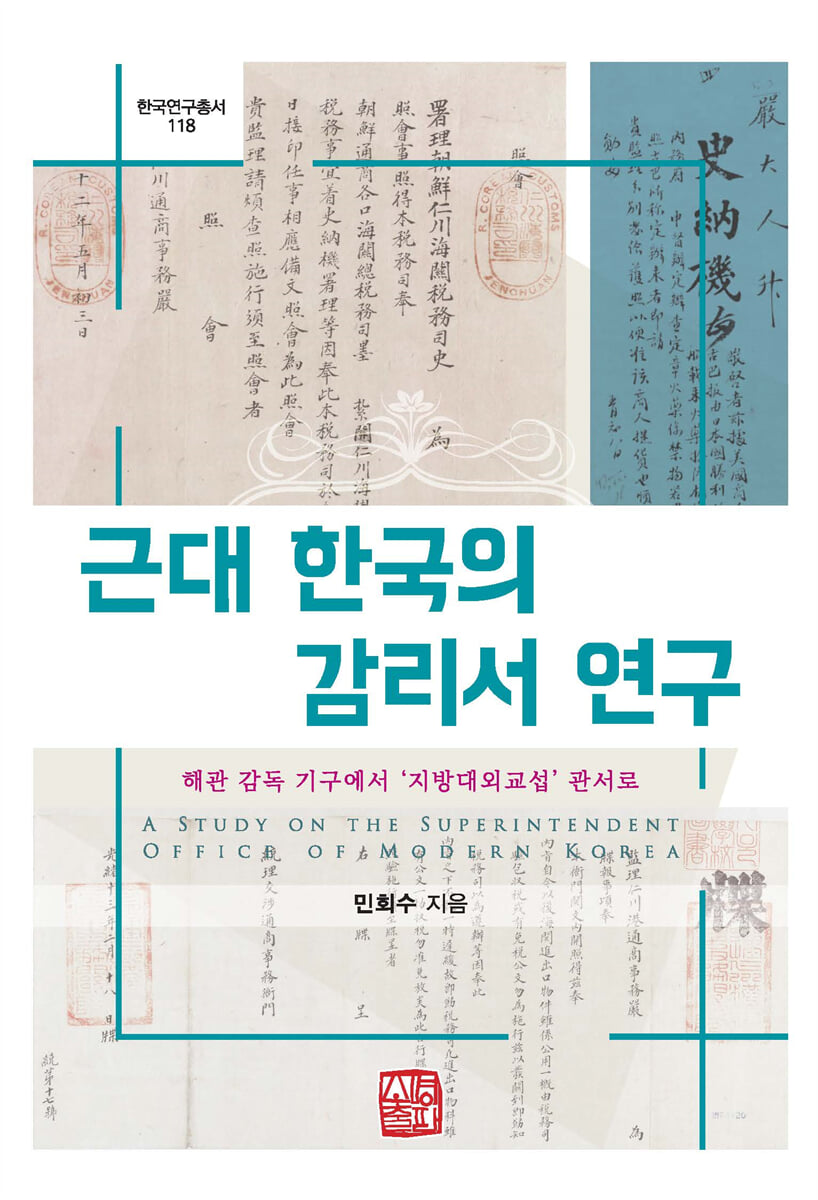
This book explains the establishment and operation of the Gamniseo (監理署), the government office in charge of foreign affairs at open ports, after the opening of Joseon in 1876.
Since the late 19th century, Joseon has concluded treaties with Western powers such as Japan, the United States, the United Kingdom, Germany, and Russia, and has been incorporated into the modern international order, the 'international law' system.
As a result, many foreigners flocked to the ports established in Busan, Incheon, Wonsan, and other places, and various trade activities became active.
For this reason, there are many related documents from the Office of the Inspector General in charge of affairs related to foreigners.
It is a very important subject in clarifying the history of this period.
This book explains the establishment and operation of the Gamniseo (監理署), the government office in charge of foreign affairs at open ports, after the opening of Joseon in 1876.
Since the late 19th century, Joseon has concluded treaties with Western powers such as Japan, the United States, the United Kingdom, Germany, and Russia, and has been incorporated into the modern international order, the 'international law' system.
As a result, many foreigners flocked to the ports established in Busan, Incheon, Wonsan, and other places, and various trade activities became active.
For this reason, there are many related documents from the Office of the Inspector General in charge of affairs related to foreigners.
It is a very important subject in clarifying the history of this period.
- You can preview some of the book's contents.
Preview
index
At the beginning of the book
Entering
1.
Raising the issue
2.
Research trends and issues
3.
Research structure and materials used
Chapter 1: The Process of Independently Establishing the Port Supervision Office and Expansion and Reorganization of the Organization
1.
The Origins of Korean Supervision during the Port Opening Period
2.
The Reality of the Port Supervision System in the Customs Service's Establishment
3.
Transfer of customs import jurisdiction and independence of the supervisory authority
4.
Expansion of the organization and reorganization of the port and market supervision office
Chapter 2 / Changes in the jurisdiction and temporary abolition of the supervisory office
1.
Changes in the duties of the Superintendent's Office
2.
The concept and supervision of 'local foreign relations' in Joseon during the port opening period
3.
Suspension of operation of the Gamniseo during the Gabo Reform period
Chapter 3: Reinstatement of the Superintendent's Office and Strengthening of Local Foreign Relations Functions
1.
Restoration of the Office of the Inspector General and Establishment of its Character as a Local Foreign Negotiation Office
2.
Strengthening the local foreign relations function of the supervisory office
3.
The current status of the supervisory office's jurisdiction after the restoration
4.
Abolition of the Office of Supervision and Transfer of Duties to the Magistrate
In conclusion
supplement
References
Search
Entering
1.
Raising the issue
2.
Research trends and issues
3.
Research structure and materials used
Chapter 1: The Process of Independently Establishing the Port Supervision Office and Expansion and Reorganization of the Organization
1.
The Origins of Korean Supervision during the Port Opening Period
2.
The Reality of the Port Supervision System in the Customs Service's Establishment
3.
Transfer of customs import jurisdiction and independence of the supervisory authority
4.
Expansion of the organization and reorganization of the port and market supervision office
Chapter 2 / Changes in the jurisdiction and temporary abolition of the supervisory office
1.
Changes in the duties of the Superintendent's Office
2.
The concept and supervision of 'local foreign relations' in Joseon during the port opening period
3.
Suspension of operation of the Gamniseo during the Gabo Reform period
Chapter 3: Reinstatement of the Superintendent's Office and Strengthening of Local Foreign Relations Functions
1.
Restoration of the Office of the Inspector General and Establishment of its Character as a Local Foreign Negotiation Office
2.
Strengthening the local foreign relations function of the supervisory office
3.
The current status of the supervisory office's jurisdiction after the restoration
4.
Abolition of the Office of Supervision and Transfer of Duties to the Magistrate
In conclusion
supplement
References
Search
Publisher's Review
From the establishment of the supervisory office to its abolition
This book divides the creation and operation of the supervisory office into three major stages.
The Gamriseo was established to perform the functions of management and supervision over the customs office, which was the first modern customs collection organization in Joseon.
Based on this, the origin was traced to China.
It was later revealed that the organization was expanded and reorganized as it became independent as a separate government agency and the number of ports and markets increased.
Next, we investigated how the work of the supervisory office changed from its original purpose to an organization in charge of foreign affairs at ports and other locations, and how it was temporarily abolished in 1895 during the Gabo Reform period due to the reorganization of the local government system.
Finally, in 1896, the Office of the Inspector General was re-established, and it was completely transformed into an agency in charge of foreign affairs.
We looked at the process of strengthening these aspects, as well as the abolition of the Office of Supervision and the transfer of jurisdiction after the conclusion of the Eulsa Treaty.
Local-level diplomacy, overseeing "local foreign relations"
This book first introduced the concept of 'local foreign negotiation' as a concept to explain the foreign affairs jurisdiction of the supervisory office.
The Superintendent of the Office of the Inspector General supervised affairs related to foreigners residing in ports, dealing with foreign diplomatic offices, such as local consulates, on an equal footing.
This can be seen as an act carried out at a level below the so-called 'diplomacy' of the central diplomatic office, the Office of Foreign Affairs and Trade, or the Ministry of Foreign Affairs dealing with foreign embassies stationed in the central government.
In modern times, 'diplomacy' refers to actions carried out at the 'national' level, so diplomacy at the 'local' level is called 'local foreign relations.'
And through more specific cases, we have clarified how these 'local foreign relations' are specifically carried out and how they are linked to the central government's 'diplomacy'.
Protecting one's own people from imperialist invasion
Another point that caught the attention of this book was the issue of the function of the inspectorate in protecting its citizens during the port opening period.
At that time, open ports were places for economic exchange between countries due to active trade, but at the same time, they were also sites of economic invasion by imperialist powers.
Imperialist invasions, including land invasions by foreigners such as Japan, China, and Russia, took various forms on the Koreans living in the region.
The central government's response to this felt inadequate.
Among the people who served as supervisors at the time, there are several examples of attempts to protect their own people against such invasions. In particular, the case of Jin Sang-eon, the supervisor of Muan, who resisted the invasion of Gohado Island by Russia and Japan, can be said to be a representative example.
This book also actively attempts to uncover such cases.
This book divides the creation and operation of the supervisory office into three major stages.
The Gamriseo was established to perform the functions of management and supervision over the customs office, which was the first modern customs collection organization in Joseon.
Based on this, the origin was traced to China.
It was later revealed that the organization was expanded and reorganized as it became independent as a separate government agency and the number of ports and markets increased.
Next, we investigated how the work of the supervisory office changed from its original purpose to an organization in charge of foreign affairs at ports and other locations, and how it was temporarily abolished in 1895 during the Gabo Reform period due to the reorganization of the local government system.
Finally, in 1896, the Office of the Inspector General was re-established, and it was completely transformed into an agency in charge of foreign affairs.
We looked at the process of strengthening these aspects, as well as the abolition of the Office of Supervision and the transfer of jurisdiction after the conclusion of the Eulsa Treaty.
Local-level diplomacy, overseeing "local foreign relations"
This book first introduced the concept of 'local foreign negotiation' as a concept to explain the foreign affairs jurisdiction of the supervisory office.
The Superintendent of the Office of the Inspector General supervised affairs related to foreigners residing in ports, dealing with foreign diplomatic offices, such as local consulates, on an equal footing.
This can be seen as an act carried out at a level below the so-called 'diplomacy' of the central diplomatic office, the Office of Foreign Affairs and Trade, or the Ministry of Foreign Affairs dealing with foreign embassies stationed in the central government.
In modern times, 'diplomacy' refers to actions carried out at the 'national' level, so diplomacy at the 'local' level is called 'local foreign relations.'
And through more specific cases, we have clarified how these 'local foreign relations' are specifically carried out and how they are linked to the central government's 'diplomacy'.
Protecting one's own people from imperialist invasion
Another point that caught the attention of this book was the issue of the function of the inspectorate in protecting its citizens during the port opening period.
At that time, open ports were places for economic exchange between countries due to active trade, but at the same time, they were also sites of economic invasion by imperialist powers.
Imperialist invasions, including land invasions by foreigners such as Japan, China, and Russia, took various forms on the Koreans living in the region.
The central government's response to this felt inadequate.
Among the people who served as supervisors at the time, there are several examples of attempts to protect their own people against such invasions. In particular, the case of Jin Sang-eon, the supervisor of Muan, who resisted the invasion of Gohado Island by Russia and Japan, can be said to be a representative example.
This book also actively attempts to uncover such cases.
GOODS SPECIFICS
- Date of issue: May 31, 2024
- Page count, weight, size: 355 pages | 152*223*21mm
- ISBN13: 9791159058752
You may also like
카테고리
korean


korean

![GQ KOREA Mark (Monthly): December [2025]](http://librairie.coreenne.fr/cdn/shop/files/8ef265dbbfbf186523ed75ba7319009d.jpg?v=1765340328&width=3840)


