

Daegu Bisulsan Mountain
 |
Description
Book Introduction
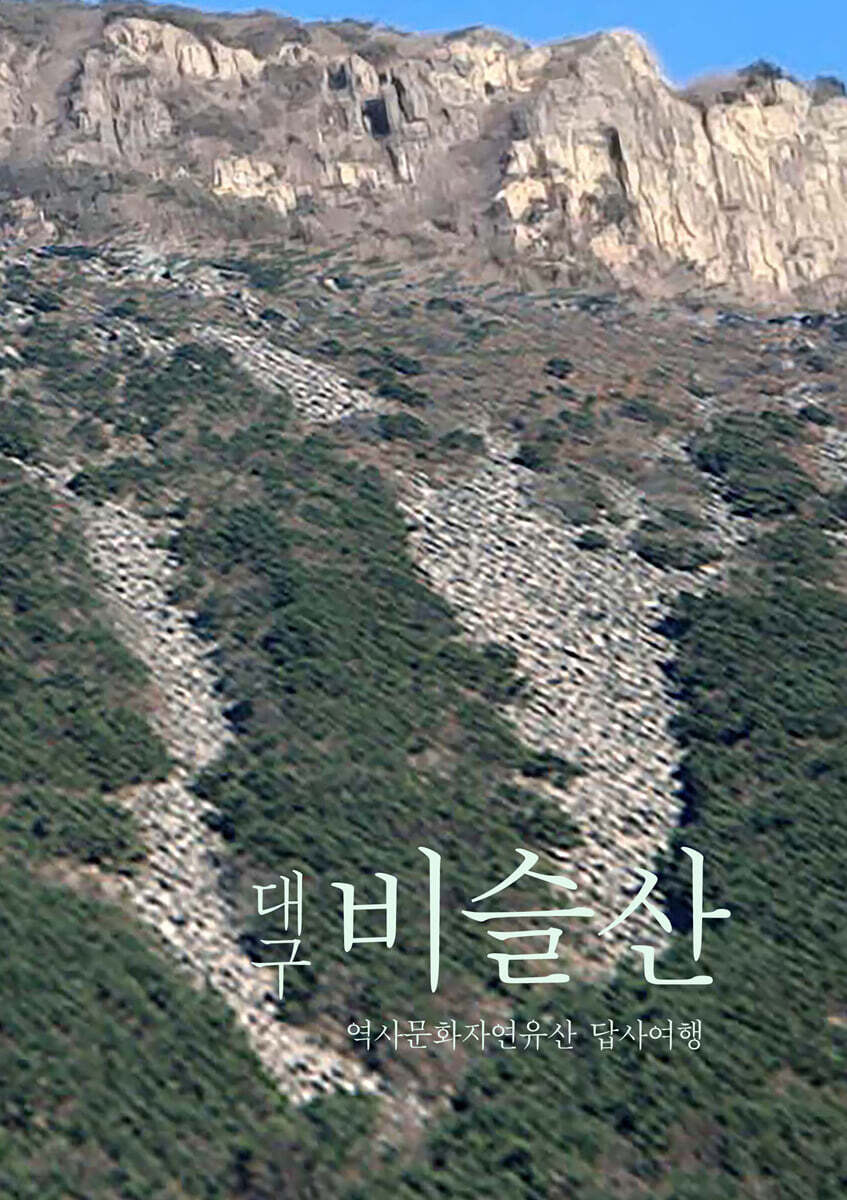
This book was published with the intention of providing a thorough introduction to the history, culture, and natural heritage of Daegu Bisulsan.
Especially when visiting Bisulsan with children or students, adults (parents, educators) must respond to their intense curiosity.
This is because I believe that there is no educational activity more important than showing children how to love those close to them.
This book will help fulfill that true role.
Especially when visiting Bisulsan with children or students, adults (parents, educators) must respond to their intense curiosity.
This is because I believe that there is no educational activity more important than showing children how to love those close to them.
This book will help fulfill that true role.
- You can preview some of the book's contents.
Preview
index
Bisulsan Mountain speaks? Kim Gyu-won? 06
Publishing a book? 10
The significance of the Bisulsan Mountain tour? 13
Bisulsan, Daegu's representative tourist destination? 14
The origin of the name Bisulsan Mountain, as told by Monk Ilyeon? 17
Bisulsan Mountain: Where to go first in Daegu? 23
Best itinerary for a Bisulsan Mountain tour? 38
Material? 42 (Suin? 48)
Dolgang Exploration Site? 51
Geumsu-deom Observatory? 54
Yongbong-dong Stone Buddha? 57 (Understanding various Buddhas and Buddhist statues? 60)
Daegeunsa Temple Site Three-Story Stone Pagoda? 67 (History of the Pagoda, Pagodas of Daegu? 70)
To see the panoramic view of Mt. Bisul? 76 (Chogoksanseong Fortress? 77)
Confucianism, Confucianism? 80
Ingaksa Temple Tour? 85
Red Scarf Memorial Hall and Sahyojagul Cave? 90
The story of Cheonwangbong? 94
In search of Yongyeonsa Temple? 98
Bisulsan Mountain Climbing? Jeong Gi-suk? 105
Independence movement sites around Mt. Bisul? 110
Imjin War ruins around Mt. Bisul? 126
Historical and cultural heritage sites around Mt. Bisul? 178
Publishing a book? 10
The significance of the Bisulsan Mountain tour? 13
Bisulsan, Daegu's representative tourist destination? 14
The origin of the name Bisulsan Mountain, as told by Monk Ilyeon? 17
Bisulsan Mountain: Where to go first in Daegu? 23
Best itinerary for a Bisulsan Mountain tour? 38
Material? 42 (Suin? 48)
Dolgang Exploration Site? 51
Geumsu-deom Observatory? 54
Yongbong-dong Stone Buddha? 57 (Understanding various Buddhas and Buddhist statues? 60)
Daegeunsa Temple Site Three-Story Stone Pagoda? 67 (History of the Pagoda, Pagodas of Daegu? 70)
To see the panoramic view of Mt. Bisul? 76 (Chogoksanseong Fortress? 77)
Confucianism, Confucianism? 80
Ingaksa Temple Tour? 85
Red Scarf Memorial Hall and Sahyojagul Cave? 90
The story of Cheonwangbong? 94
In search of Yongyeonsa Temple? 98
Bisulsan Mountain Climbing? Jeong Gi-suk? 105
Independence movement sites around Mt. Bisul? 110
Imjin War ruins around Mt. Bisul? 126
Historical and cultural heritage sites around Mt. Bisul? 178
Into the book
After viewing the nuclear stone (see footnote 4 on page 28) at the parking lot of Hotel Azalea (10 Ilyeonseonsa-gil, Yuga-eup, Dalseong-gun, Daegu), we depart.
As the hotel address suggests, this road is called 'Ilyeonseonsa Road'.
Since Monk Ilyeon lived a long life of asceticism on Mt. Bisul for 37 years, no one would say that naming the road ‘Monk Ilyeon’s Road’ is excessive.
If you follow the paved road towards the mountain for about 100m, you will see a signpost for ‘琵瑟山自然休養林’.
Why didn't they write "Biseulsan Natural Recreation Forest" in Chinese characters instead? I feel a surge of regret.
The only ironic silver lining is that no one is leaning over to read the text.
--- p.40
Daegeunsa Temple is said to be an ancient temple founded during the reign of King Heungdeok of Silla (826-836).
One day, Emperor Wenzong of Tang (826-840) was washing his face when he saw a very beautiful scene floating in the water of a basin.
King Munjong began to search for the place.
The messenger wandered all over China but could not find him, and finally came to Mt. Bisul.
Legend has it that Daegeunsa Temple was founded through such a process.
Therefore, the name of the temple Daegyeonsa, which was built by the emperor of a great country after seeing the magnificent scenery, contains the values of servility.
On the other hand, there is also the view that the original name of this temple was Daehyeonsa Temple (大見寺), as the classics such as the Book of Changes read 見 as 'hyeon'.
The National Institute of Korean History's Annals of the Joseon Dynasty translated Daegyeonsa Temple as 'Daegyeonsa Temple' during the reign of King Taejong and as 'Daeheonsa Temple' during the reign of King Sejong.
As the hotel address suggests, this road is called 'Ilyeonseonsa Road'.
Since Monk Ilyeon lived a long life of asceticism on Mt. Bisul for 37 years, no one would say that naming the road ‘Monk Ilyeon’s Road’ is excessive.
If you follow the paved road towards the mountain for about 100m, you will see a signpost for ‘琵瑟山自然休養林’.
Why didn't they write "Biseulsan Natural Recreation Forest" in Chinese characters instead? I feel a surge of regret.
The only ironic silver lining is that no one is leaning over to read the text.
--- p.40
Daegeunsa Temple is said to be an ancient temple founded during the reign of King Heungdeok of Silla (826-836).
One day, Emperor Wenzong of Tang (826-840) was washing his face when he saw a very beautiful scene floating in the water of a basin.
King Munjong began to search for the place.
The messenger wandered all over China but could not find him, and finally came to Mt. Bisul.
Legend has it that Daegeunsa Temple was founded through such a process.
Therefore, the name of the temple Daegyeonsa, which was built by the emperor of a great country after seeing the magnificent scenery, contains the values of servility.
On the other hand, there is also the view that the original name of this temple was Daehyeonsa Temple (大見寺), as the classics such as the Book of Changes read 見 as 'hyeon'.
The National Institute of Korean History's Annals of the Joseon Dynasty translated Daegyeonsa Temple as 'Daegyeonsa Temple' during the reign of King Taejong and as 'Daeheonsa Temple' during the reign of King Sejong.
--- p.70
GOODS SPECIFICS
- Date of issue: January 1, 2025
- Page count, weight, size: 200 pages | 590g | 148*210*20mm
- ISBN13: 9791188701605
- ISBN10: 1188701606
You may also like
카테고리
korean


korean

![GQ KOREA Mark (Monthly): December [2025]](http://librairie.coreenne.fr/cdn/shop/files/8ef265dbbfbf186523ed75ba7319009d.jpg?v=1765340328&width=3840)


