

Let's go on an architectural journey together to Kansai, Japan.
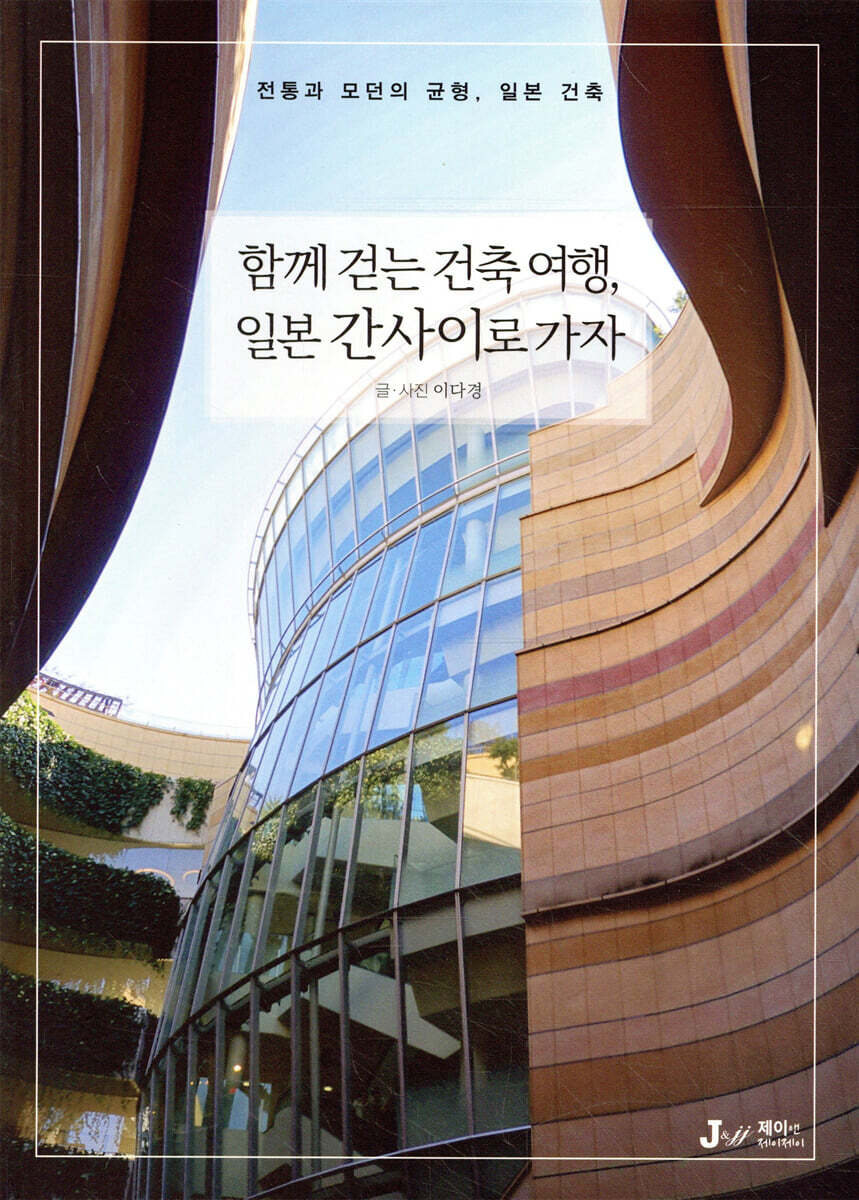 |
Description
Book Introduction
The sixteenth installment of our humanities journey, explored by theme!
Japan, a close yet distant country, is a country with which we have politically and historically maintained an antagonistic relationship, but on the other hand, it is also a country that has had a long history of cultural exchanges with China, located next to it.
Among them, the Kansai and Kansai regions are regions where traditional and old things and new and modern things coexist.
Naturally, the architecture of the Kansai region is a mixture of traditional and modern elements.
Buildings are the largest framework that contains living spaces and culture.
It also becomes an art in itself.
While we live in a world where we can sit down and enjoy art like paintings and music online, architecture remains, and will continue to be, an art form that can only be truly appreciated by seeing it in person.
This book will serve as a stepping stone for those who are unsure of where and what to see on their architectural journey.
In addition to travelogues featuring architectural landmarks, it also includes tips to enrich your trip, including stories about Osaka's food and Japanese castles, making it a great companion for your trip to the Kansai region.
In this book, you can experience the diverse buildings and culture of the Kansai region, not only in the central areas that come to mind when you think of Kansai, such as Osaka, Kyoto, and Nara, but also in places a little further afield, such as Naoshima and Tejima.
In particular, Osaka and Hyogo, which are the central cities, offer three-day itineraries tailored to the theme.
We've introduced as many places as possible to ensure a rich content, so you'll have the fun of reconstructing the book to fit your own travels, rather than just following its route.
This book also includes a walk in the footsteps of Tadao Ando, a representative modern Japanese architect whose works are also in Korea. Complete your own travel itinerary by following the sights and experiences you've seen and felt on foot.
Japan, a close yet distant country, is a country with which we have politically and historically maintained an antagonistic relationship, but on the other hand, it is also a country that has had a long history of cultural exchanges with China, located next to it.
Among them, the Kansai and Kansai regions are regions where traditional and old things and new and modern things coexist.
Naturally, the architecture of the Kansai region is a mixture of traditional and modern elements.
Buildings are the largest framework that contains living spaces and culture.
It also becomes an art in itself.
While we live in a world where we can sit down and enjoy art like paintings and music online, architecture remains, and will continue to be, an art form that can only be truly appreciated by seeing it in person.
This book will serve as a stepping stone for those who are unsure of where and what to see on their architectural journey.
In addition to travelogues featuring architectural landmarks, it also includes tips to enrich your trip, including stories about Osaka's food and Japanese castles, making it a great companion for your trip to the Kansai region.
In this book, you can experience the diverse buildings and culture of the Kansai region, not only in the central areas that come to mind when you think of Kansai, such as Osaka, Kyoto, and Nara, but also in places a little further afield, such as Naoshima and Tejima.
In particular, Osaka and Hyogo, which are the central cities, offer three-day itineraries tailored to the theme.
We've introduced as many places as possible to ensure a rich content, so you'll have the fun of reconstructing the book to fit your own travels, rather than just following its route.
This book also includes a walk in the footsteps of Tadao Ando, a representative modern Japanese architect whose works are also in Korea. Complete your own travel itinerary by following the sights and experiences you've seen and felt on foot.
index
0.
Prologue (3)
1.
Osaka
1) Day 1 in Osaka: Architecture encountered during an ordinary trip
Kansai International Airport, the first gateway to Kansai travel
Namba Parks: A unique shopping experience even if you just walk around
Night view from Osaka's landmark, Umeda Sky Building
Japan's unique culture and etiquette, different from Korea's! What kind of place is Osaka? Kengo Kuma, a "weak" architect who loves nature.
2) Day 2 in Osaka
The Sumiyoshi Residence, imbued with the passion of a young architect
Nihonbashi House, a gallery in the heart of the city with a clear sky
Commercial use in a building designed by Tadao Ando, Galleria Aka
Another building that creates buildings, Tadao Ando Architects
Kasugaoka Church in Ibaraki, a church of light with a mysterious cross Takoyaki and okonomiyaki, Osaka, a food paradise Nature, concrete, and Tadao Ando
3) Day 3 in Osaka
The Osaka Museum of History, located in front of Osaka Castle, where history breathes.
The National Museum of Art, brimming with the curved beauty of steel frames
NEXT 21, an eco-friendly housing complex experimenting with the world.
If you want to see fairytale-like architecture, visit the Osaka City Environment Bureau Maishima Factory and Maishima Waste Incinerator.
Expo Commemorative Park
About the Japanese language and the Kansai dialect: Westernization of Japan? The Meiji Restoration and Architecture in Japan
2.
Kyoto
Kiyomizu-dera (?水寺), a representative temple of Kyoto located on a mountainside
The golden pavilion sparkles, Kinkaku-ji Temple
Ginkaku-ji (銀閣寺), a quiet and modest temple located at the end of the Philosopher's Path
Ryoanji (龍安寺), a mysterious garden without even a single tree
An outdoor art museum with water, the Garden of Masterpieces (Kyoto Prefecture Ceramics Museum)
Kyoto Concert Hall, with its winding curves that create a sense of anticipation
A 'maze' shopping district so friendly to water, Times 1 & 2 (TIME'S 1,2) Walking through Kyoto's traditional streets.
3.
Hyogo
1) Hyogo Day 1 Morning
Hyogo Prefectural Museum of Art: A Giant Labyrinth Where Art and Architecture Come Together
Find Tadao Ando's commercial facilities in Kitano-cho, where people from all over the world live!
(ROSE GARDEN / KITANO ALLEY / WALL STEP / RIRAN'S GATE / RIN'S GALLERY / WALL AVENUE)
Kobe Port Tower, a landmark of Kobe Port
Kobe Beef, the ultimate Wagyu experience, savored in its hometown.
2) Afternoon of the first day in Hyogo
A 4m x 4m house depicting a person living in nature (4m x 4mの家)
Awaji Yumebutai: A beautiful harmony between a vast concrete garden and the sea
A mysterious space beneath the lotus pond, the "Water Temple," Honpukuji Mizumi-do (本福寺 水御堂)
Japan, an island nation, and the inseparable earthquake
3) Day 2 in Hyogo
Himeji Castle, Japan's first UNESCO-listed beautiful white heron
The Himeji Literature Museum (?路文館), which naturally transitions into the extraordinary of literature
Let's learn about the history of Japanese castles, landmarks of the area, including the Hyogo Prefectural Museum of History, which has become a modern-day Himeji Castle!
4.
country
Kofukuji Temple, the entrance to Nara's traditional architecture
The world's largest wooden structure, Todaiji (東大寺)
Kasuga Taisha (春日大社), a beautiful harmony of nature and lanterns
Kintetsu Nara Station Building, with its simple yet stylish pillars
The cultural vessel representing the country, the Nara Centennial Hall (なら100年館)
Why on earth are there so many deer in the country?
Le Corbusier, the father of modern architecture, and he and Japan.
5.
Wakayama
Filled with Wakayama's history, the Wakayama Prefectural Museum of Modern Art / Wakayama Prefectural Museum. The ultimate in geometry and complexity, the IC Building.
The Wakayama Prefectural Office South Annex (和歌山??? 南別館), which stands out for its structural beauty and artistry.
A long-distance pilgrimage route in Japan: the Wakayama Kumano Kodo Pilgrimage Route
Kisho Kurokawa, who pursued the 'metabolism' of architecture
*A slightly off-the-beaten-path trip*
6.
Naoshima
(Travelogue)
A mysterious space buried in the ground, the Chichu Art Museum
The Lee Ufan Museum, where Lee Ufan and Tadao Ando come together
Benesse House, the center of Naoshima
Naoshima, a sea station completely open to the sea
Naoshima Pavilion, a geometric object facing the sea
The Naoshima Ie Project: A New Interpretation of the Old
Benesse Art Site Naoshima, an island of art and architecture
7.
Teshima, Inujima
An unforgettable experience in harmony with nature: Teshima Art Museum
Listening to the Sound of the Sea, Heartbeat Archive (心音のアペイブ)
The Inujima Seirensho Art Museum, which transforms ruined buildings into art.
The Inujima Ie Project: A New Interpretation of the Old
This is the East Building of the Kagawa Prefectural Office, which can be said to be a true example of modern Japanese architecture.
A contemporary art museum dedicated to world-renowned artists, the Marugame Kenichiro Inokuma Museum of Modern Art (MIMOCA)
The Higashiyama Kaii Setouchi Art Museum, which embraces the Seto Inland Sea, and the "A Bowl of Udon" experience in Kagawa Prefecture, the birthplace of udon.
Yoshio Taniguchi, a master of art museum architecture
8.
Hiroshima
Hiroshima Museum of Modern Art, overlooking downtown Hiroshima
Hiroshima Peace Park, a symbol of world peace beyond Hiroshima
World Peace Memorial Cathedral, hoping for a world without war
The Atomic Bomb Dome and Hiroshima Peace Memorial, which bear witness to the pain of the atomic bomb.
Hiroshima Nishi Fire Station, always open to the public
Itsukushima Shrine, one of Japan's three most scenic spots, Hiroshima, Nagasaki atomic bombings
Kenzo Tange, a fusion of Japanese and modernist architecture
9.
Epilogue
Prologue (3)
1.
Osaka
1) Day 1 in Osaka: Architecture encountered during an ordinary trip
Kansai International Airport, the first gateway to Kansai travel
Namba Parks: A unique shopping experience even if you just walk around
Night view from Osaka's landmark, Umeda Sky Building
Japan's unique culture and etiquette, different from Korea's! What kind of place is Osaka? Kengo Kuma, a "weak" architect who loves nature.
2) Day 2 in Osaka
The Sumiyoshi Residence, imbued with the passion of a young architect
Nihonbashi House, a gallery in the heart of the city with a clear sky
Commercial use in a building designed by Tadao Ando, Galleria Aka
Another building that creates buildings, Tadao Ando Architects
Kasugaoka Church in Ibaraki, a church of light with a mysterious cross Takoyaki and okonomiyaki, Osaka, a food paradise Nature, concrete, and Tadao Ando
3) Day 3 in Osaka
The Osaka Museum of History, located in front of Osaka Castle, where history breathes.
The National Museum of Art, brimming with the curved beauty of steel frames
NEXT 21, an eco-friendly housing complex experimenting with the world.
If you want to see fairytale-like architecture, visit the Osaka City Environment Bureau Maishima Factory and Maishima Waste Incinerator.
Expo Commemorative Park
About the Japanese language and the Kansai dialect: Westernization of Japan? The Meiji Restoration and Architecture in Japan
2.
Kyoto
Kiyomizu-dera (?水寺), a representative temple of Kyoto located on a mountainside
The golden pavilion sparkles, Kinkaku-ji Temple
Ginkaku-ji (銀閣寺), a quiet and modest temple located at the end of the Philosopher's Path
Ryoanji (龍安寺), a mysterious garden without even a single tree
An outdoor art museum with water, the Garden of Masterpieces (Kyoto Prefecture Ceramics Museum)
Kyoto Concert Hall, with its winding curves that create a sense of anticipation
A 'maze' shopping district so friendly to water, Times 1 & 2 (TIME'S 1,2) Walking through Kyoto's traditional streets.
3.
Hyogo
1) Hyogo Day 1 Morning
Hyogo Prefectural Museum of Art: A Giant Labyrinth Where Art and Architecture Come Together
Find Tadao Ando's commercial facilities in Kitano-cho, where people from all over the world live!
(ROSE GARDEN / KITANO ALLEY / WALL STEP / RIRAN'S GATE / RIN'S GALLERY / WALL AVENUE)
Kobe Port Tower, a landmark of Kobe Port
Kobe Beef, the ultimate Wagyu experience, savored in its hometown.
2) Afternoon of the first day in Hyogo
A 4m x 4m house depicting a person living in nature (4m x 4mの家)
Awaji Yumebutai: A beautiful harmony between a vast concrete garden and the sea
A mysterious space beneath the lotus pond, the "Water Temple," Honpukuji Mizumi-do (本福寺 水御堂)
Japan, an island nation, and the inseparable earthquake
3) Day 2 in Hyogo
Himeji Castle, Japan's first UNESCO-listed beautiful white heron
The Himeji Literature Museum (?路文館), which naturally transitions into the extraordinary of literature
Let's learn about the history of Japanese castles, landmarks of the area, including the Hyogo Prefectural Museum of History, which has become a modern-day Himeji Castle!
4.
country
Kofukuji Temple, the entrance to Nara's traditional architecture
The world's largest wooden structure, Todaiji (東大寺)
Kasuga Taisha (春日大社), a beautiful harmony of nature and lanterns
Kintetsu Nara Station Building, with its simple yet stylish pillars
The cultural vessel representing the country, the Nara Centennial Hall (なら100年館)
Why on earth are there so many deer in the country?
Le Corbusier, the father of modern architecture, and he and Japan.
5.
Wakayama
Filled with Wakayama's history, the Wakayama Prefectural Museum of Modern Art / Wakayama Prefectural Museum. The ultimate in geometry and complexity, the IC Building.
The Wakayama Prefectural Office South Annex (和歌山??? 南別館), which stands out for its structural beauty and artistry.
A long-distance pilgrimage route in Japan: the Wakayama Kumano Kodo Pilgrimage Route
Kisho Kurokawa, who pursued the 'metabolism' of architecture
*A slightly off-the-beaten-path trip*
6.
Naoshima
(Travelogue)
A mysterious space buried in the ground, the Chichu Art Museum
The Lee Ufan Museum, where Lee Ufan and Tadao Ando come together
Benesse House, the center of Naoshima
Naoshima, a sea station completely open to the sea
Naoshima Pavilion, a geometric object facing the sea
The Naoshima Ie Project: A New Interpretation of the Old
Benesse Art Site Naoshima, an island of art and architecture
7.
Teshima, Inujima
An unforgettable experience in harmony with nature: Teshima Art Museum
Listening to the Sound of the Sea, Heartbeat Archive (心音のアペイブ)
The Inujima Seirensho Art Museum, which transforms ruined buildings into art.
The Inujima Ie Project: A New Interpretation of the Old
This is the East Building of the Kagawa Prefectural Office, which can be said to be a true example of modern Japanese architecture.
A contemporary art museum dedicated to world-renowned artists, the Marugame Kenichiro Inokuma Museum of Modern Art (MIMOCA)
The Higashiyama Kaii Setouchi Art Museum, which embraces the Seto Inland Sea, and the "A Bowl of Udon" experience in Kagawa Prefecture, the birthplace of udon.
Yoshio Taniguchi, a master of art museum architecture
8.
Hiroshima
Hiroshima Museum of Modern Art, overlooking downtown Hiroshima
Hiroshima Peace Park, a symbol of world peace beyond Hiroshima
World Peace Memorial Cathedral, hoping for a world without war
The Atomic Bomb Dome and Hiroshima Peace Memorial, which bear witness to the pain of the atomic bomb.
Hiroshima Nishi Fire Station, always open to the public
Itsukushima Shrine, one of Japan's three most scenic spots, Hiroshima, Nagasaki atomic bombings
Kenzo Tange, a fusion of Japanese and modernist architecture
9.
Epilogue
GOODS SPECIFICS
- Date of issue: September 10, 2018
- Page count, weight, size: 345 pages | 589g | 152*210*22mm
- ISBN13: 9791186972380
- ISBN10: 1186972386
You may also like
카테고리
korean


korean

![GQ KOREA Mark (Monthly): December [2025]](http://librairie.coreenne.fr/cdn/shop/files/8ef265dbbfbf186523ed75ba7319009d.jpg?v=1765340328&width=3840)


