

Picking up mom
 |
Description
Book Introduction
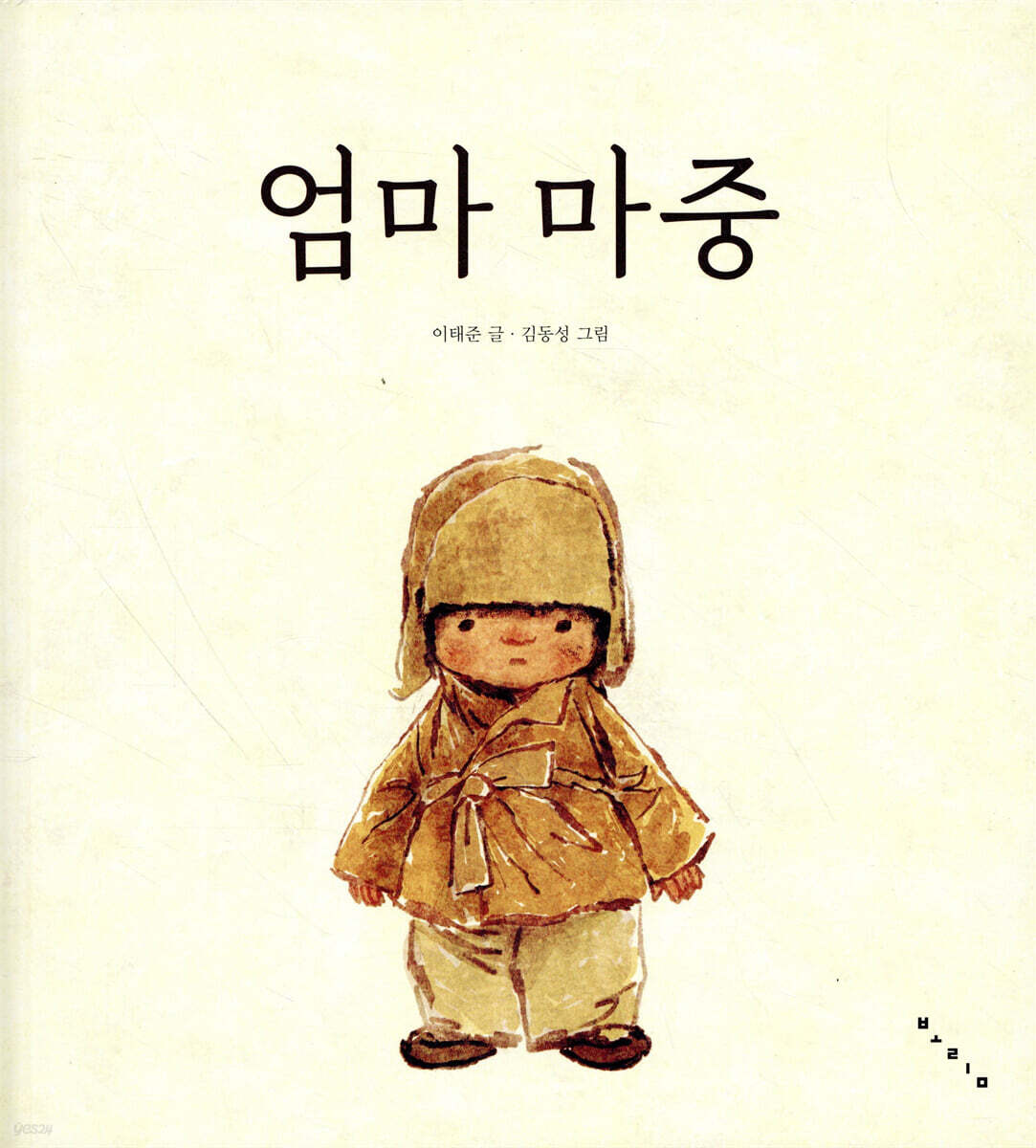
This is a picture book that tells the story of a baby waiting for his mother at a tram stop. The cute image of a baby with a red nose from the cold walking to the tram stop, the innocent image of a baby nodding along at every passing tram and asking the conductor, “Isn’t my mom coming?”, and the pitiful image of a baby standing in one place without moving and waiting for his mom are all beautifully depicted in pictures that highlight the beauty of blank space. The book ends with the story of a child who cannot meet his mother, but the last picture is worth noting. Because it contains the image of a baby walking down an alleyway holding hands with its mother. I don't know if this picture is the child's wish or if it is real, but perhaps because of that, it gives the story greater lingering emotion and emotion. The sight of trams running along the streets in the old days and the people inside them brings back vague nostalgia. |
- You can preview some of the book's contents.
Preview
Publisher's Review
A picture book that poignantly depicts the heart of a child waiting for his mother with oriental lyricism!
A short but powerful text meets a picture that leaves a lasting impression.
"Welcoming Mother" is a work born from the addition of lyrical illustrations by Kim Dong-seong to a short text by novelist Lee Tae-jun, which was published in the Joseon Children's Literature Collection in 1938. It was republished by Borim Publishing in October 2013.
Author Kim Dong-seong initially thought that it would be difficult to make this into a picture book because it did not contain specific descriptions or clearly reveal the characters' personalities.
However, with his unique and outstanding directing and composition, he lyrically reinterpreted the lingering feeling of short and concise text, creating his representative picture book.
This book is about a child waiting for his mother at a tram stop.
The whole plot is about the conductor of a tram pulling into a stop asking when his mother will be arriving.
Even with just a short but powerful text, the heart of a child waiting for his mother is well conveyed, but as you follow the child's actions and expressions expressed in the drawing, the child's appearance, which at first seemed cute, gradually becomes more desperate and heartbreakingly sad.
As expected from an oriental painting major, Kim Dong-seong's paintings capture the feel of ink and wash painting very well, and are filled with our emotions, making them feel familiar and warm, like listening to an old story.
Maximize the child's earnestness with contrasting expression techniques.
The street scenes of the 1930s, people's clothing, and the image of a child waiting for his mother were expressed in monochrome tones, while the scene of an approaching tram was depicted in gorgeous, intense colors.
For a child who is waiting impatiently for his mother to come, the tram is a fervent hope that passes by a large tree, swims through the blue sea, and flies from the sky with birds.
The author contrasts the child's longing for his mother with the hope of meeting her soon, further maximizing the child's desperation.
Will the child ever see his mother? Even when the wind blows, the child remains motionless. Even when the tram arrives, he doesn't ask the conductor any more questions. His nose turns bright red and he just stands there, motionless.
The story ends here, but the picture doesn't.
White snow begins to fall on the streets, and a thick layer of snow piles up in the village where the child lives.
In the alley, you can see a child walking hand in hand with his mother.
There's even candy in his hand.
This part is a scene that the artist added to the original work.
Judging from the previous scene, which uses contrasting colors to express reality and fantasy, the scene of the pink village where the child meets his mother and walks together must be a product of the child's imagination.
Even in his imagination, the child's earnest desire to meet his mother and go home together is even more heartbreaking.
The author must have drawn this final scene with the same thought in mind as the readers of this book would have earnestly hoped for.
You can see a cozy neighborhood with roofs crowded together.
The baby, who was looking around and going somewhere, had walked quite a distance on a cold winter day.
The place where the baby came out, kneeling in the cold, was the bus stop.
The baby plays in the dirt and waits for the tram.
When the tram stops, he sticks his head out and asks if his mother is coming.
The old man behind the window doesn't know that his mother is coming.
The baby doesn't move even when the wind blows, doesn't ask again when the tram comes, and waits for its mother until its nose turns bright red.
GOODS SPECIFICS
- Date of publication: October 30, 2013
- Format: Hardcover book binding method guide
- Page count, weight, size: 38 pages | 350g | 260*247*15mm
- ISBN13: 9788943309725
- ISBN10: 8943309724
You may also like
카테고리
korean


korean


