

Neruda's Postman
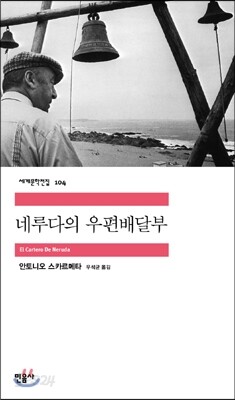 |
Description
Book Introduction
The original work of the movie "Il Postino". An international bestseller translated into over 20 languages. A beautiful textbook that helps you understand the essence of truth, emotion, and poetry. "The Postman of Neruda," which features the great poet Pablo Neruda, winner of the Nobel Prize in Literature, as its main character, is rich in elements that captivate readers, including a gentle yet profound emotion, witty descriptions and dialogue, humorous depictions of sex, and various anecdotes born from innocence. Instead of the Pablo Neruda we are familiar with as a fighter, we are presented with a Neruda who, through a postman, reminds us of the essence of poetry in a friendly way, like everyday bread. This novel, which can be considered a metaphor in itself, beautifully yet simply depicts the truth and emotion of literature, where a poem meets life, nature, and the world, ultimately leading to new life and love, through the poet and the postman Mario. The success of the film "Il Postino" was possible not only because of its literary value but also because of the excellent novelistic fun of the original work. |
- You can preview some of the book's contents.
Preview
Into the book
"Why do you open this letter before the others?"
"Because I'm from Sweden."
"What else is there to do in Sweden except for women?"
Neruda blinked, despite having heavy eyelids.
"There is a Nobel Prize in Literature."
"I'll give it to the teacher."
"If you give it to me, I won't refuse."
"How much is the prize money?"
The poet, who had already grasped the contents of the letter, responded lightly.
"152,500 dollars"
Mario jokingly added, "And 50 cents."
But I instinctively suppressed my absurd boldness and asked more gently instead.
"And?"
"huh?"
"They're giving me a Nobel Prize?"
"That may be true, but there are some strong candidates this year."
"why?"
"Because I wrote masterpieces."
"What about the other letters?"
The poet sighed and said.
"I'll read it later."
"ah!"
Mario had a feeling the conversation was coming to an end.
So, as was the customary mood of Neruda, the sole recipient, I fell into silence.
Mario was so quiet that the poet asked a question.
"What are you thinking about?"
"The contents of other letters.
"Could this be a love letter?"
The heavy poet coughed.
"Hey, I'm married! Mathilde will hear!"
"sorry."
Neruda quickly searched his pocket and took out a bill.
It was a larger amount than usual.
Mario said, "Thank you," not because of the money, but because of the impending separation.
That sadness turned Mario into a stone Buddha.
It was so worrying.
The poet, who was about to enter the house, became curious as to why Mario was acting so obviously depressed.
"What's going on?"
"yes?"
"You're standing like a telephone pole."
Mario turned his head and looked up to find the poet's eyes.
"It's stuck in like a window?"
"No, it's as quiet as a chess tower."
"Is it more serene than a porcelain cat?"
Neruda let go of the doorknob and stroked his chin.
"Mario, I have much better books than 'Song of Everyday Life'.
And it's unfair to test me with all kinds of metaphors."
"What did you say?"
"It's a metaphor!"
"What is that?"
"Because I'm from Sweden."
"What else is there to do in Sweden except for women?"
Neruda blinked, despite having heavy eyelids.
"There is a Nobel Prize in Literature."
"I'll give it to the teacher."
"If you give it to me, I won't refuse."
"How much is the prize money?"
The poet, who had already grasped the contents of the letter, responded lightly.
"152,500 dollars"
Mario jokingly added, "And 50 cents."
But I instinctively suppressed my absurd boldness and asked more gently instead.
"And?"
"huh?"
"They're giving me a Nobel Prize?"
"That may be true, but there are some strong candidates this year."
"why?"
"Because I wrote masterpieces."
"What about the other letters?"
The poet sighed and said.
"I'll read it later."
"ah!"
Mario had a feeling the conversation was coming to an end.
So, as was the customary mood of Neruda, the sole recipient, I fell into silence.
Mario was so quiet that the poet asked a question.
"What are you thinking about?"
"The contents of other letters.
"Could this be a love letter?"
The heavy poet coughed.
"Hey, I'm married! Mathilde will hear!"
"sorry."
Neruda quickly searched his pocket and took out a bill.
It was a larger amount than usual.
Mario said, "Thank you," not because of the money, but because of the impending separation.
That sadness turned Mario into a stone Buddha.
It was so worrying.
The poet, who was about to enter the house, became curious as to why Mario was acting so obviously depressed.
"What's going on?"
"yes?"
"You're standing like a telephone pole."
Mario turned his head and looked up to find the poet's eyes.
"It's stuck in like a window?"
"No, it's as quiet as a chess tower."
"Is it more serene than a porcelain cat?"
Neruda let go of the doorknob and stroked his chin.
"Mario, I have much better books than 'Song of Everyday Life'.
And it's unfair to test me with all kinds of metaphors."
"What did you say?"
"It's a metaphor!"
"What is that?"
--- p.25
(silence) Okay.
Up to here is the poem, from now on, it's the sounds you wanted.
First, the sound of the wind in the bell tower of Isla Negra.
(The wind continues for about a minute)
Second, the sound of me ringing the big bell of the Isle Negra bell tower.
(The bell rings seven times)
Third, the sound of the waves on the rocks of Isla Negra.
(Perhaps recorded on a stormy day, edited to include the sound of waves crashing against the rocks)
Fourth, the cry of a seagull.
(There is a strange stereo sound during this time.
The person recording it appears to have crept up to the perched seagulls and startled them away.
So, you can hear not only the sounds of new birds, but also the countless sounds of wingbeats that are full of restraint.
About forty-five seconds into the middle, Mario's voice is heard.
"Damn it, I'm going to cry." he yells.)
Fifth, the beehive (a dangerous buzzing sound that lasts for almost three minutes, with background sounds of dogs barking and birds chirping of unknown species recorded).
Sixth, the sound of waves receding.
(At the climax of the recording, the microphone seems to have followed very closely the sound of a large wave noisily sweeping across the sand until it mixed with the new wave.
Mario could have run alongside the crashing waves and jumped into the ocean, recording the waves blending together exquisitely.)
And the seventh, (a voice clearly filled with urgency, followed by silence) Mr. Pablo Neftali Jiménez Gonzalez.
(The sound of a newborn baby crying continues for about ten minutes.) (Silence) Okay.
Up to here is the poem, from now on, it's the sounds you wanted.
First, the sound of the wind in the bell tower of Isla Negra.
(The wind continues for about a minute)
Second, the sound of me ringing the big bell of the Isle Negra bell tower.
(The bell rings seven times)
Third, the sound of the waves on the rocks of Isla Negra.
(Perhaps recorded on a stormy day, edited to include the sound of waves crashing against the rocks)
Fourth, the cry of a seagull.
(There is a strange stereo sound during this time.
The person recording it appears to have crept up to the perched seagulls and startled them away.
So, you can hear not only the sounds of new birds, but also the countless sounds of wingbeats that are full of restraint.
About forty-five seconds into the middle, Mario's voice is heard.
"Damn it, I'm going to cry." he yells.)
Fifth, the beehive (a dangerous buzzing sound that lasts for almost three minutes, with background sounds of dogs barking and birds chirping of unknown species recorded).
Sixth, the sound of waves receding.
(At the climax of the recording, the microphone seems to have followed very closely the sound of a large wave noisily sweeping across the sand until it mixed with the new wave.
Mario could have run alongside the crashing waves and jumped into the ocean, recording the waves blending together exquisitely.)
And the seventh, (a voice clearly filled with urgency, followed by silence) Mr. Pablo Neftali Jiménez Gonzalez.
(The sound of a newborn baby crying continues for about ten minutes.)
Up to here is the poem, from now on, it's the sounds you wanted.
First, the sound of the wind in the bell tower of Isla Negra.
(The wind continues for about a minute)
Second, the sound of me ringing the big bell of the Isle Negra bell tower.
(The bell rings seven times)
Third, the sound of the waves on the rocks of Isla Negra.
(Perhaps recorded on a stormy day, edited to include the sound of waves crashing against the rocks)
Fourth, the cry of a seagull.
(There is a strange stereo sound during this time.
The person recording it appears to have crept up to the perched seagulls and startled them away.
So, you can hear not only the sounds of new birds, but also the countless sounds of wingbeats that are full of restraint.
About forty-five seconds into the middle, Mario's voice is heard.
"Damn it, I'm going to cry." he yells.)
Fifth, the beehive (a dangerous buzzing sound that lasts for almost three minutes, with background sounds of dogs barking and birds chirping of unknown species recorded).
Sixth, the sound of waves receding.
(At the climax of the recording, the microphone seems to have followed very closely the sound of a large wave noisily sweeping across the sand until it mixed with the new wave.
Mario could have run alongside the crashing waves and jumped into the ocean, recording the waves blending together exquisitely.)
And the seventh, (a voice clearly filled with urgency, followed by silence) Mr. Pablo Neftali Jiménez Gonzalez.
(The sound of a newborn baby crying continues for about ten minutes.) (Silence) Okay.
Up to here is the poem, from now on, it's the sounds you wanted.
First, the sound of the wind in the bell tower of Isla Negra.
(The wind continues for about a minute)
Second, the sound of me ringing the big bell of the Isle Negra bell tower.
(The bell rings seven times)
Third, the sound of the waves on the rocks of Isla Negra.
(Perhaps recorded on a stormy day, edited to include the sound of waves crashing against the rocks)
Fourth, the cry of a seagull.
(There is a strange stereo sound during this time.
The person recording it appears to have crept up to the perched seagulls and startled them away.
So, you can hear not only the sounds of new birds, but also the countless sounds of wingbeats that are full of restraint.
About forty-five seconds into the middle, Mario's voice is heard.
"Damn it, I'm going to cry." he yells.)
Fifth, the beehive (a dangerous buzzing sound that lasts for almost three minutes, with background sounds of dogs barking and birds chirping of unknown species recorded).
Sixth, the sound of waves receding.
(At the climax of the recording, the microphone seems to have followed very closely the sound of a large wave noisily sweeping across the sand until it mixed with the new wave.
Mario could have run alongside the crashing waves and jumped into the ocean, recording the waves blending together exquisitely.)
And the seventh, (a voice clearly filled with urgency, followed by silence) Mr. Pablo Neftali Jiménez Gonzalez.
(The sound of a newborn baby crying continues for about ten minutes.)
--- p.122
Publisher's Review
Antonio Skármeta, one of the most notable writers in contemporary Latin America
A warm and profound encounter between Pablo Neruda and a young postman.
A beautiful textbook that helps you understand the truth and emotion of literature and the essence of poetry.
“Poetry belongs not to the writer, but to the reader!”
Antonio Skármeta pays tribute to the great poet and wishes for democracy in Chile, writing in Nehru
He wrote 'The Postman of Da'.
When Skarmetta was young, he was also a postman named Mario Jimenez, who was a lover.
He said that he used to flip through 『Twenty Love Poems and a Song of Despair』 to whisper a word.
all.
This work is a poem that meets life, nature, and the world through Chile's national poet Neruda.
It beautifully and simply depicts the truth and emotion of literature that leads to my new life and love.
all.
It was a work completed while living in exile in Germany after the coup d'état in Chile.
The fact that he tried to convey emotion rather than contention makes Skarmetta and this work stand out even more.
stomach
It is a tribute to the Korean poet Pablo Neruda and the simple Chilean people, but it is also full of
Gentle yet deeply moving, witty descriptions and dialogue, humorous sexual depictions, and anecdotes born from innocence.
They instantly capture the hearts of readers.
The original work of the Academy Award-winning film "Il Postino"
It's also a novel.
▶ I want to show you how important it is to have your own poetic language in this world.
I wanted to.
Even though many people are still being killed and persecuted somewhere, I will continue to read this book.
I wanted to fight that cruel monster through it.
─ Antonio Skarmetta
▶ It is truly a wonderful work.
Neruda's life was certainly a metaphor in itself and a symbol of Latin America.
It has become a new channel of communication.
Skarmeta's work is true poetry.
─ Frankfurter Allgemeine Zeitung
▶ “Neruda’s Postman” is a touching song.
Poetry without falling into superficiality or sentimentality
Singing of love.
─ 《El Pais》
A warm and profound encounter between Pablo Neruda and a young postman.
A beautiful textbook that helps you understand the truth and emotion of literature and the essence of poetry.
“Poetry belongs not to the writer, but to the reader!”
Antonio Skármeta pays tribute to the great poet and wishes for democracy in Chile, writing in Nehru
He wrote 'The Postman of Da'.
When Skarmetta was young, he was also a postman named Mario Jimenez, who was a lover.
He said that he used to flip through 『Twenty Love Poems and a Song of Despair』 to whisper a word.
all.
This work is a poem that meets life, nature, and the world through Chile's national poet Neruda.
It beautifully and simply depicts the truth and emotion of literature that leads to my new life and love.
all.
It was a work completed while living in exile in Germany after the coup d'état in Chile.
The fact that he tried to convey emotion rather than contention makes Skarmetta and this work stand out even more.
stomach
It is a tribute to the Korean poet Pablo Neruda and the simple Chilean people, but it is also full of
Gentle yet deeply moving, witty descriptions and dialogue, humorous sexual depictions, and anecdotes born from innocence.
They instantly capture the hearts of readers.
The original work of the Academy Award-winning film "Il Postino"
It's also a novel.
▶ I want to show you how important it is to have your own poetic language in this world.
I wanted to.
Even though many people are still being killed and persecuted somewhere, I will continue to read this book.
I wanted to fight that cruel monster through it.
─ Antonio Skarmetta
▶ It is truly a wonderful work.
Neruda's life was certainly a metaphor in itself and a symbol of Latin America.
It has become a new channel of communication.
Skarmeta's work is true poetry.
─ Frankfurter Allgemeine Zeitung
▶ “Neruda’s Postman” is a touching song.
Poetry without falling into superficiality or sentimentality
Singing of love.
─ 《El Pais》
GOODS SPECIFICS
- Date of issue: July 5, 2004
- Page count, weight, size: 184 pages | 272g | 132*224*20mm
- ISBN13: 9788937461040
- ISBN10: 8937461048
You may also like
카테고리
korean


korean

![GQ KOREA Mark (Monthly): December [2025]](http://librairie.coreenne.fr/cdn/shop/files/8ef265dbbfbf186523ed75ba7319009d.jpg?v=1765340328&width=3840)


