

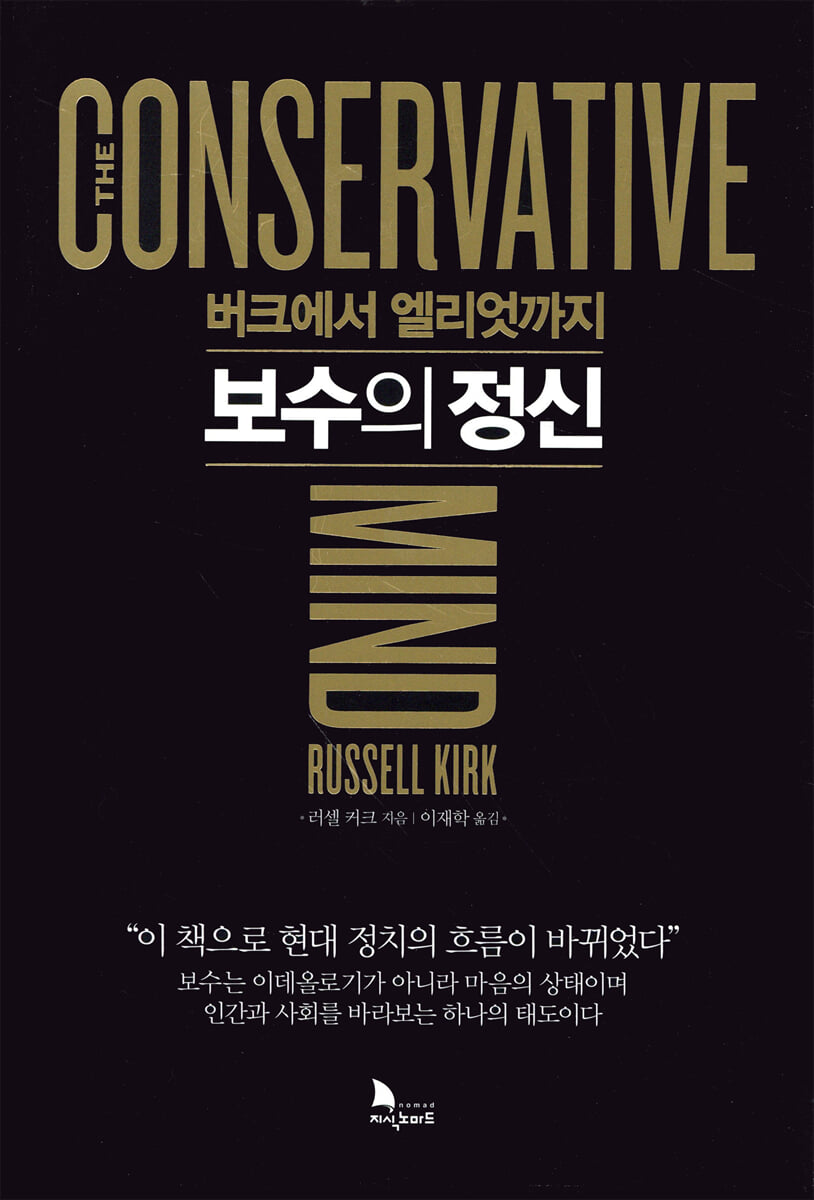
Conservative spirit
 |
Description
Book Introduction
This book changed the course of modern politics!!!
“This book is my dedication to our efforts to preserve the political, spiritual, and intellectual traditions of our civilization.” - Russell Kirk
"The Spirit of Conservatism" is considered to have established the ideological foundation for the revival of American conservatism, which had suffered repeated defeats and was ridiculed as a "bunch of fools," and has become an immortal classic of the 20th century.
By examining the ideas of important conservatives, from Burke in the immediate aftermath of the French Revolution to Eliot in the 20th century, this paper demonstrates that conservatism is not a fixed ideology, but rather the product of the practical struggles that have driven social development against ideologies that seek to structure society according to abstract designs.
This book is filled with the great imagination of conservatives who saw the dangers and harms that liberalism would bring: Burke, who recognized that reforms for social development could become a conflagration that would burn down society itself; Tocqueville, who read the contradictions of democracy that harbored the evil of uniform mediocrity under the virtue of diversity; and John Adams, who defended normative freedom before the law because abstract freedom was licentiousness.
“This book is my dedication to our efforts to preserve the political, spiritual, and intellectual traditions of our civilization.” - Russell Kirk
"The Spirit of Conservatism" is considered to have established the ideological foundation for the revival of American conservatism, which had suffered repeated defeats and was ridiculed as a "bunch of fools," and has become an immortal classic of the 20th century.
By examining the ideas of important conservatives, from Burke in the immediate aftermath of the French Revolution to Eliot in the 20th century, this paper demonstrates that conservatism is not a fixed ideology, but rather the product of the practical struggles that have driven social development against ideologies that seek to structure society according to abstract designs.
This book is filled with the great imagination of conservatives who saw the dangers and harms that liberalism would bring: Burke, who recognized that reforms for social development could become a conflagration that would burn down society itself; Tocqueville, who read the contradictions of democracy that harbored the evil of uniform mediocrity under the virtue of diversity; and John Adams, who defended normative freedom before the law because abstract freedom was licentiousness.
- You can preview some of the book's contents.
Preview
index
Until this book was published
Author's Preface_Welcoming a New Generation of Readers
Translator's Preface: The Roots of Conservatism
Ⅰ The core pillars of conservatism
II The Founder of Conservatism: Edmund Burke
1.
Burke's political career
2.
The innovation theories Burke fought against
3.
Divine providence and reverence
4.
Preconceptions and Norms
5 Social Human Rights and Natural Rights
6.
Is aristocratic politics impossible?
7.
Order is a human right
Ⅲ The Founder of American Conservatism: John Adams
1.
Federalists and Republicans
2.
Hamilton emphasized centralization
3.
Ames' pessimistic prediction
4.
John Adams's Theory of Man and the State
5.
Aristocracy is God's will
6.
A Harmony of Checks and Balances: The American Constitution
7.
Marshall and the Transformation of Federalism
Ⅳ Romantics Against Bentham
1.
Scott, who responded to utilitarianism with his heart
2.
Canning's enlightened conservatism
3.
Coleridge's philosophical conservatism
4.
The triumph of abstraction
V Conservatism in the American South: Randolph and Calhoun
1.
Southern sentiment
2.
Randolph pointed out the dangers of enacting positive law.
3.
Calhoun, who defended the rights of minorities
4.
Courage of the South
VI The Traps of Democracy: The Concerns of Macaulay, Cooper, and Tocqueville
1.
Burke's influence on liberalism
2.
Macaulay's theory of the impossibility of democracy
3.
Cooper and the Gentleman's America
4.
Tocqueville's democratic dictatorship
5.
thoughtful democracy
VII Transitional Conservatism: Sketches of New England
1.
Industrialism that destroyed the conservative order
2.
John Quincy Adams: His Aspirations and Frustration
3.
Emerson's delusions as a transcendentalist
4.
Brownson noted the conservative dynamics of Catholicism.
5.
Hawthorne: Society and Original Sin
Conservatism and Imagination: Disdain and Newman
1.
Marx's Materialism: The Fruits of Liberalism
2.
Disdaily's National Community Theory
3.
Newman: The Source of Knowledge and the Ideal of Education
4.
Baejeot: The Age of Debate
Ⅸ Legal and Historical Conservatism: An Age of Foreboding
1.
Liberalism and Collectivism: John Stuart Mill, Comte, and Positivism
2.
Stephen on the purpose of life and politics
3.
Main: Status and Contracts
4.
Leckie: Illiberal Democracy
Ⅹ Frustrated Conservatism: The United States (1865–1918)
1.
Gilded Age
2.
James Russell Lowell's Confusion
3.
Godkin's view of democratic views
4.
The Decline of Democratic Creed and Henry Adams
5.
Brooks Adams and the World of Incredible Energy
ⅩⅠ Wandering British Conservatism: The 20th Century
1.
The End of Aristocracy: 1906
2.
Gissing and Hell
3.
Arthur Balfour's Conservatism and the Wave of Socialism
4.
Mullock's scientific conservatism
5.
The gloomy conservatism of the World War II era
ⅩⅡ Critical Conservatism: Babbitt, More, and Santayana
1.
Pragmatism: America's Missteps
2.
Babbitt's humanism, which demanded noble loyalty
3.
Paul Elmer Moore on Justice and Faith
4. Santayana, who defeated liberalism
ⅩⅢ The Promise of Conservatives
1.
The evils of radicalism
2.
New leader
3.
Who is an intellectual?
4.
Conservatism and Poets
Appendix_10 Principles of Conservatism
Author's Preface_Welcoming a New Generation of Readers
Translator's Preface: The Roots of Conservatism
Ⅰ The core pillars of conservatism
II The Founder of Conservatism: Edmund Burke
1.
Burke's political career
2.
The innovation theories Burke fought against
3.
Divine providence and reverence
4.
Preconceptions and Norms
5 Social Human Rights and Natural Rights
6.
Is aristocratic politics impossible?
7.
Order is a human right
Ⅲ The Founder of American Conservatism: John Adams
1.
Federalists and Republicans
2.
Hamilton emphasized centralization
3.
Ames' pessimistic prediction
4.
John Adams's Theory of Man and the State
5.
Aristocracy is God's will
6.
A Harmony of Checks and Balances: The American Constitution
7.
Marshall and the Transformation of Federalism
Ⅳ Romantics Against Bentham
1.
Scott, who responded to utilitarianism with his heart
2.
Canning's enlightened conservatism
3.
Coleridge's philosophical conservatism
4.
The triumph of abstraction
V Conservatism in the American South: Randolph and Calhoun
1.
Southern sentiment
2.
Randolph pointed out the dangers of enacting positive law.
3.
Calhoun, who defended the rights of minorities
4.
Courage of the South
VI The Traps of Democracy: The Concerns of Macaulay, Cooper, and Tocqueville
1.
Burke's influence on liberalism
2.
Macaulay's theory of the impossibility of democracy
3.
Cooper and the Gentleman's America
4.
Tocqueville's democratic dictatorship
5.
thoughtful democracy
VII Transitional Conservatism: Sketches of New England
1.
Industrialism that destroyed the conservative order
2.
John Quincy Adams: His Aspirations and Frustration
3.
Emerson's delusions as a transcendentalist
4.
Brownson noted the conservative dynamics of Catholicism.
5.
Hawthorne: Society and Original Sin
Conservatism and Imagination: Disdain and Newman
1.
Marx's Materialism: The Fruits of Liberalism
2.
Disdaily's National Community Theory
3.
Newman: The Source of Knowledge and the Ideal of Education
4.
Baejeot: The Age of Debate
Ⅸ Legal and Historical Conservatism: An Age of Foreboding
1.
Liberalism and Collectivism: John Stuart Mill, Comte, and Positivism
2.
Stephen on the purpose of life and politics
3.
Main: Status and Contracts
4.
Leckie: Illiberal Democracy
Ⅹ Frustrated Conservatism: The United States (1865–1918)
1.
Gilded Age
2.
James Russell Lowell's Confusion
3.
Godkin's view of democratic views
4.
The Decline of Democratic Creed and Henry Adams
5.
Brooks Adams and the World of Incredible Energy
ⅩⅠ Wandering British Conservatism: The 20th Century
1.
The End of Aristocracy: 1906
2.
Gissing and Hell
3.
Arthur Balfour's Conservatism and the Wave of Socialism
4.
Mullock's scientific conservatism
5.
The gloomy conservatism of the World War II era
ⅩⅡ Critical Conservatism: Babbitt, More, and Santayana
1.
Pragmatism: America's Missteps
2.
Babbitt's humanism, which demanded noble loyalty
3.
Paul Elmer Moore on Justice and Faith
4. Santayana, who defeated liberalism
ⅩⅢ The Promise of Conservatives
1.
The evils of radicalism
2.
New leader
3.
Who is an intellectual?
4.
Conservatism and Poets
Appendix_10 Principles of Conservatism
Into the book
Conservatives trust in the general rules of politics, not the dogmas of fanatic ideology.
These principles are usually derived from tradition and broad consensus and have been tested by long experience.
However, since the environment surrounding humanity varies from region to region and from era to era, these principles must be applied cautiously and flexibly.
Conservatives reject the political belief that religion will replace them in building a utopia.
--- p.26
Sudden reform may be a conflagration that devours everything rather than a torch that illuminates progress.
Of course, society must change.
Careful change is the means of preserving society.
But leaders must consider God's providence.
According to Plato and Burke, the chief virtue of a leader is prudence.
--- p.66
The reason why humans cannot be entrusted with unlimited power is not because of their wickedness, but because of their weakness.
--- p.187
Lamenting the multiplicity of romantic traits that had been banished by the crude principle of pleasure and pain, Scott saw utilitarianism as a system that would obliterate national character, individual character, and all the beauties of the past.
Utilitarianism was a blunt apology for the terrible and greedy industrialism.
--- p.231
In the past, the government was seen as something that coordinated the various interests of the kingdom.
Members of society help each other
This is an organization that is supported by voluntary contributions called taxes.
But now the government is becoming more and more abstract.
The government is endowed with the abstract concept of Austin's "sovereignty" and governs society as if the state were a giant reformative panopticon.
--- p.270
Essentially, the belief system we call 'conservatism' is about affirming the normal state of social concerns.
There is a standard by which we can recover.
Humans cannot be perfect.
However, a certain degree of order, justice, and freedom can be achieved.
Both the 'humanities' and humanistic studies are means of obtaining standards for civic and social order and of informing politicians and the deliberating public about the possibilities and limits of social measures.
--- p.752
Conservatives resist the control of armed doctrine and ideology.
They seek to restore the correct reasoning of genuine political thought.
Although we cannot create heaven on earth, we maintain that if we are obsessed with ideology, we can create hell on earth.
--- p.754
The challenge facing conservatives is to rekindle the fervent faith of the lonely masses and remind them that life has purpose.
These principles are usually derived from tradition and broad consensus and have been tested by long experience.
However, since the environment surrounding humanity varies from region to region and from era to era, these principles must be applied cautiously and flexibly.
Conservatives reject the political belief that religion will replace them in building a utopia.
--- p.26
Sudden reform may be a conflagration that devours everything rather than a torch that illuminates progress.
Of course, society must change.
Careful change is the means of preserving society.
But leaders must consider God's providence.
According to Plato and Burke, the chief virtue of a leader is prudence.
--- p.66
The reason why humans cannot be entrusted with unlimited power is not because of their wickedness, but because of their weakness.
--- p.187
Lamenting the multiplicity of romantic traits that had been banished by the crude principle of pleasure and pain, Scott saw utilitarianism as a system that would obliterate national character, individual character, and all the beauties of the past.
Utilitarianism was a blunt apology for the terrible and greedy industrialism.
--- p.231
In the past, the government was seen as something that coordinated the various interests of the kingdom.
Members of society help each other
This is an organization that is supported by voluntary contributions called taxes.
But now the government is becoming more and more abstract.
The government is endowed with the abstract concept of Austin's "sovereignty" and governs society as if the state were a giant reformative panopticon.
--- p.270
Essentially, the belief system we call 'conservatism' is about affirming the normal state of social concerns.
There is a standard by which we can recover.
Humans cannot be perfect.
However, a certain degree of order, justice, and freedom can be achieved.
Both the 'humanities' and humanistic studies are means of obtaining standards for civic and social order and of informing politicians and the deliberating public about the possibilities and limits of social measures.
--- p.752
Conservatives resist the control of armed doctrine and ideology.
They seek to restore the correct reasoning of genuine political thought.
Although we cannot create heaven on earth, we maintain that if we are obsessed with ideology, we can create hell on earth.
--- p.754
The challenge facing conservatives is to rekindle the fervent faith of the lonely masses and remind them that life has purpose.
--- p.780
Publisher's Review
"What is conservatism?" This book, "The Spirit of Conservatism," is the result of the author's challenge and dedication to finding an answer to this difficult question.
This book was evaluated as establishing the ideological foundation of conservatism immediately after its publication in the United States, and it generated widespread social repercussions.
And to this day, it is still cited as one of the most important standards of conservative thought.
As the subtitle, From Burke to Eliot, suggests, author Russell Kirk covers the history of conservatism from the French Revolution to the 1950s.
This book is filled with the great imagination of conservatives who saw the dangers and harms that liberalism would bring: Burke, who recognized that reforms for social development could become a conflagration that would burn down society itself; Tocqueville, who read the contradictions of democracy that harbored the evil of uniform mediocrity under the virtue of diversity; and John Adams, who defended normative freedom before the law because abstract freedom was licentiousness.
Their insight is even more striking today, when liberalism, as if it had fulfilled its mission, is revealing its many flaws.
By the early 1950s, conservatives, whom John Stuart Mill had called a "bunch of fools," were in a state of decline.
The title of the book the author had in mind was ‘The Defeat of Conservatism.’
At a time when liberalism was wielding its power, proclaiming itself to be the sole spirit of the age, the publication of this book had a huge impact.
Time magazine devoted an entire book review page to The Mind of the Conservative, commenting that it “showed Americans that conservatism runs deeper than protecting stocks and dividends.”
The author says that it is impossible to define conservatism in a few sentences.
Because I see conservatism not as an ideology, but as a state of mind and a way of looking at the order of society.
Through the ideas of conservatives on various topics such as history, humanity, society, the state, democracy, freedom, equality, and education, the author shows that conservatism is a continuation of humanity's spiritual and intellectual traditions, an effort to preserve "eternal things," and a product of realistic and practical struggles for social development.
The author presents six core values of conservatism.
- Belief in a transcendent order
- Rejecting uniformity and egalitarianism and embracing diversity and the mystery of human existence
- The belief that order and hierarchy are necessary in a civilized society
- The belief that freedom and property are closely linked
- Do not trust people who try to organize society according to abstract designs, but trust in laws and norms.
- Preference for cautious reform over rapid reform
Despite accolades that suggested he could never have written such a book without his vast knowledge of British and American history, politics, literature, and philosophy from the 18th to the mid-20th centuries, his extraordinary memory for recalling relevant passages whenever needed, and his gift for manipulating sentences, the book ostracized the author from the liberal-dominated intellectual world of New York.
But the book's influence has never diminished.
President Reagan later credited the book with sparking a conservative revival in America, and President Nixon even told the author that he had become a fan after reading The Mind of a Conservative.
There are growing voices calling for the reestablishment of true conservatism in our society.
It's not because I'm worried about the conservative party being pushed out of power, but because I'm worried about the future of our society without a proper conservative party.
This book will show both those who call themselves conservatives and those who criticize conservatism what the true spirit of conservatism is.
It is not the leaders of political parties, but people with imagination who determine the direction of history.
Just as the author revived the imagination of conservatism and led the revival of American conservatism, if this book can contribute to the emergence of true conservatism in our society, the significance of this first translated and published book in Asia will shine even brighter.
GOODS SPECIFICS
- Date of publication: April 13, 2018
- Format: Hardcover book binding method guide
- Page count, weight, size: 856 pages | 1,346g | 152*225*40mm
- ISBN13: 9791187481379
- ISBN10: 1187481378
You may also like
카테고리
korean


korean

![GQ KOREA Mark (Monthly): December [2025]](http://librairie.coreenne.fr/cdn/shop/files/8ef265dbbfbf186523ed75ba7319009d.jpg?v=1765340328&width=3840)


