

Song Geon-ho's biography
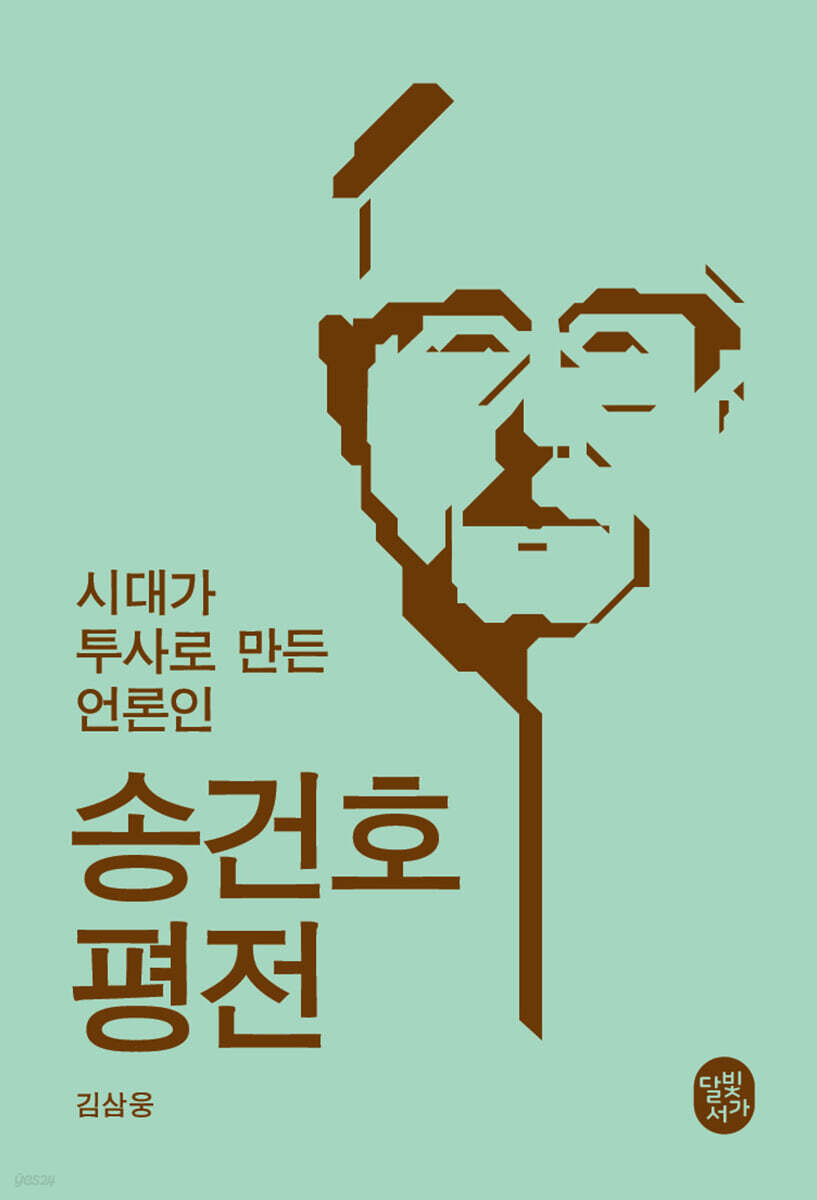 |
Description
Book Introduction
Without remaining silent in the face of injustice, without compromising with power,
A journalist who has gone from being a 'journalist' to a 'fighter' while following the right path of journalism.
Song Geon-ho, a historian known as Cheongam, pioneered the study of modern Korean history.
Song Geon-ho, known as 'Cheongam', lives in line with the suffering of Korean democratic media.
He was a true journalist and a beacon of light for the times who did not compromise with dictatorial power for the sake of the nation and democracy, did not remain silent in the face of injustice, and walked the right path of journalism, laying the foundation for democratic journalism.
The times have shaped him from an ordinary journalist into a media scholar, a historian who opened a new path for the study of modern history, and a renowned debater and democracy activist.
Like his nickname, 'Cheongam (靑巖, blue rock)', he was a 'big rock covered in blue moss' that was not shaken by power.
Even under the ordeal of torture and imprisonment, he never lost his path as a journalist with a character free from greed and evil.
The author, Kim Sam-woong, former director of the Independence Hall of Korea, is a journalist and historian who has consistently walked the path of ‘writing the truth’ and studied ‘cursive journalism.’
In this biography, he points out and comments on the core of Song Geon-ho's important writings and books, and tells the story of Song Geon-ho's life and thoughts.
The author reminds us of the role of intellectuals and journalists who did not remain silent in the face of injustice, and vividly recreates the fierce struggle and lonely battle hidden behind the name "Song Geon-ho," whom we all know.
It delves deeply into how Song Geon-ho, a "journalistic scholar," was reborn as a "fighter" under the oppression of military dictatorship, and what meaning Song Geon-ho's legacy of democratic journalism holds for our society today.
It also shows the spirit of an intellectual who did not compromise with the dictatorial power and did not break while standing up to it, and the spirit of Song Geon-ho who did not put down his pen until the end despite his body being damaged by the aftereffects of torture, and reminds us of the value of democracy and the press.
A journalist who has gone from being a 'journalist' to a 'fighter' while following the right path of journalism.
Song Geon-ho, a historian known as Cheongam, pioneered the study of modern Korean history.
Song Geon-ho, known as 'Cheongam', lives in line with the suffering of Korean democratic media.
He was a true journalist and a beacon of light for the times who did not compromise with dictatorial power for the sake of the nation and democracy, did not remain silent in the face of injustice, and walked the right path of journalism, laying the foundation for democratic journalism.
The times have shaped him from an ordinary journalist into a media scholar, a historian who opened a new path for the study of modern history, and a renowned debater and democracy activist.
Like his nickname, 'Cheongam (靑巖, blue rock)', he was a 'big rock covered in blue moss' that was not shaken by power.
Even under the ordeal of torture and imprisonment, he never lost his path as a journalist with a character free from greed and evil.
The author, Kim Sam-woong, former director of the Independence Hall of Korea, is a journalist and historian who has consistently walked the path of ‘writing the truth’ and studied ‘cursive journalism.’
In this biography, he points out and comments on the core of Song Geon-ho's important writings and books, and tells the story of Song Geon-ho's life and thoughts.
The author reminds us of the role of intellectuals and journalists who did not remain silent in the face of injustice, and vividly recreates the fierce struggle and lonely battle hidden behind the name "Song Geon-ho," whom we all know.
It delves deeply into how Song Geon-ho, a "journalistic scholar," was reborn as a "fighter" under the oppression of military dictatorship, and what meaning Song Geon-ho's legacy of democratic journalism holds for our society today.
It also shows the spirit of an intellectual who did not compromise with the dictatorial power and did not break while standing up to it, and the spirit of Song Geon-ho who did not put down his pen until the end despite his body being damaged by the aftereffects of torture, and reminds us of the value of democracy and the press.
- You can preview some of the book's contents.
Preview
index
Introduction: A large rock covered in green moss, unshaken by power. 5
1.
Song Geon-ho's Status in the Korean Media Landscape 17
2.
Boyhood during the final days of Japanese colonial rule 46
3.
Liberation, War, and University Life 72
4.
Entering society as a journalist 87
5.
Begins his career as a columnist and commentator.
6.
159 Editorials written while repeatedly losing and rehiring jobs in the media industry
7.
Resistance to Park Chung-hee's tyrannical measures 191
8.
The editor-in-chief resigns in protest of mass layoffs of journalists.
9.
From journalist to journalism scholar 248
10.
Anti-dictatorship dissident movement and writing activities 282
11.
Opening a New Path for Modern History Research 305
12.
Dissident Activities and Critical Writing in the Late Yushin Period 331
13.
Leading the Intellectuals' Declaration 361
14.
Imprisonment and brutal torture 388
15.
Resuming activities with a broken body 414
16.
Activities and Writings during the Turbulent Fifth Republic 455
17.
In an era of media death, a new media is emerging. 487
18.
Standing at the Center of the June Democracy Movement 522
19.
546 key figures in the founding of the Hankyoreh newspaper, a newspaper run by national shareholders
20.
The 20th Century's Greatest Journalist Lays Down His Pen Forever 589
The quote: 628 Common Sense Intellectuals Who Challenged Irrelevance
Note 634
1.
Song Geon-ho's Status in the Korean Media Landscape 17
2.
Boyhood during the final days of Japanese colonial rule 46
3.
Liberation, War, and University Life 72
4.
Entering society as a journalist 87
5.
Begins his career as a columnist and commentator.
6.
159 Editorials written while repeatedly losing and rehiring jobs in the media industry
7.
Resistance to Park Chung-hee's tyrannical measures 191
8.
The editor-in-chief resigns in protest of mass layoffs of journalists.
9.
From journalist to journalism scholar 248
10.
Anti-dictatorship dissident movement and writing activities 282
11.
Opening a New Path for Modern History Research 305
12.
Dissident Activities and Critical Writing in the Late Yushin Period 331
13.
Leading the Intellectuals' Declaration 361
14.
Imprisonment and brutal torture 388
15.
Resuming activities with a broken body 414
16.
Activities and Writings during the Turbulent Fifth Republic 455
17.
In an era of media death, a new media is emerging. 487
18.
Standing at the Center of the June Democracy Movement 522
19.
546 key figures in the founding of the Hankyoreh newspaper, a newspaper run by national shareholders
20.
The 20th Century's Greatest Journalist Lays Down His Pen Forever 589
The quote: 628 Common Sense Intellectuals Who Challenged Irrelevance
Note 634
Into the book
“As a journalist, Mr. Song Geon-ho displayed a strong character and a patriotic spirit.
He was a prominent debater and ardent democracy activist.
When the press was silenced by Park Chung-hee's tyranny, he took the lead in the anti-dictatorship struggle as an editorial member of Ham Seok-heon's "The Voice of Mr. Seed" and a human rights committee member of the National Council of Churches in Korea (NCC).
In the mid-1970s, during the Park Chung-hee administration, he received four offers to join the cabinet and a National Assembly position in the Yujeonghoe, starting with the position of public relations secretary at the Blue House. During the Fifth Republic, he was also tempted similarly about ten times.
In an era when famous journalists and university professors were quickly becoming cabinet members or taking important positions in the National Assembly and government, he was a figure that the dictatorial regime coveted as a means of swaying public sentiment.
But Mr. Song Geon-ho was different.
As his pen name ‘Cheongam’ suggests, ‘the big rock covered with blue moss’ was not shaken by power.”
“What struck me while watching Mr. Song Geon-ho in the 1970s and 1980s was his strong sense of the times and his strong desire for knowledge.
As the Yushin regime and the madness of the Fifth Republic continued, intellectuals turned away from the study of modern history.
Just as most scholars specializing in modern and contemporary history in Germany changed their majors to ancient or medieval history when the Nazis came to power, the situation in Korea was not much different.
I changed my major because I was afraid that I would clash with those in power while dealing with the Yushin and Fifth Republic regimes.
Mr. Song Geon-ho walked a path that others did not walk.
He played a pioneering role in the study of modern Korean history.
“Professor Song Geon-ho pioneered the wasteland of modern history where people of the time were still breathing.”
“Professor Song Geon-ho was not satisfied with being a competent debater or a researcher of modern history.
He formed the Dong-A Free Press Protection Struggle Committee to fight against the institutional media that was in collusion with those in power, launched the Democratic Press Movement Council centered around dismissed journalists, and as the publisher of Mal, a progressive journal that became a symbol of the progressive press, he fought against the military dictatorship and was arrested as easily as eating a meal.
“Even though the temptations of politics and government followed me every time, I never wavered.”
“The presence of Professor Song Geon-ho served as a centripetal force for the Hankyoreh, a newspaper comprised of journalists from diverse backgrounds and with different inclinations, and served as a pillar that helped it establish itself as a progressive newspaper.
The birth and success of the Hankyoreh was possible thanks to the presence of journalist Song Geon-ho.”
“The purpose of writing a biography of Song Geon-ho is to show his honest writing spirit as an example to today’s opportunistic and vulgar journalists, scholars, and intellectuals.
“It is to revive the righteous life of those who refused unjust honors and salaries even in the midst of hardship.”
He was a prominent debater and ardent democracy activist.
When the press was silenced by Park Chung-hee's tyranny, he took the lead in the anti-dictatorship struggle as an editorial member of Ham Seok-heon's "The Voice of Mr. Seed" and a human rights committee member of the National Council of Churches in Korea (NCC).
In the mid-1970s, during the Park Chung-hee administration, he received four offers to join the cabinet and a National Assembly position in the Yujeonghoe, starting with the position of public relations secretary at the Blue House. During the Fifth Republic, he was also tempted similarly about ten times.
In an era when famous journalists and university professors were quickly becoming cabinet members or taking important positions in the National Assembly and government, he was a figure that the dictatorial regime coveted as a means of swaying public sentiment.
But Mr. Song Geon-ho was different.
As his pen name ‘Cheongam’ suggests, ‘the big rock covered with blue moss’ was not shaken by power.”
“What struck me while watching Mr. Song Geon-ho in the 1970s and 1980s was his strong sense of the times and his strong desire for knowledge.
As the Yushin regime and the madness of the Fifth Republic continued, intellectuals turned away from the study of modern history.
Just as most scholars specializing in modern and contemporary history in Germany changed their majors to ancient or medieval history when the Nazis came to power, the situation in Korea was not much different.
I changed my major because I was afraid that I would clash with those in power while dealing with the Yushin and Fifth Republic regimes.
Mr. Song Geon-ho walked a path that others did not walk.
He played a pioneering role in the study of modern Korean history.
“Professor Song Geon-ho pioneered the wasteland of modern history where people of the time were still breathing.”
“Professor Song Geon-ho was not satisfied with being a competent debater or a researcher of modern history.
He formed the Dong-A Free Press Protection Struggle Committee to fight against the institutional media that was in collusion with those in power, launched the Democratic Press Movement Council centered around dismissed journalists, and as the publisher of Mal, a progressive journal that became a symbol of the progressive press, he fought against the military dictatorship and was arrested as easily as eating a meal.
“Even though the temptations of politics and government followed me every time, I never wavered.”
“The presence of Professor Song Geon-ho served as a centripetal force for the Hankyoreh, a newspaper comprised of journalists from diverse backgrounds and with different inclinations, and served as a pillar that helped it establish itself as a progressive newspaper.
The birth and success of the Hankyoreh was possible thanks to the presence of journalist Song Geon-ho.”
“The purpose of writing a biography of Song Geon-ho is to show his honest writing spirit as an example to today’s opportunistic and vulgar journalists, scholars, and intellectuals.
“It is to revive the righteous life of those who refused unjust honors and salaries even in the midst of hardship.”
--- From "Introductory Remarks"
Publisher's Review
A true journalist who dedicated his life to restoring the power of speech.
When the name "journalist" faced its harshest trials in modern Korean history, Song Geon-ho stood as a symbol of truth, unshaken even in the face of the storms of power, like a "large rock covered in green moss."
As befitting a master of biographies, the author goes beyond the life of a journalist to magnificently document the profound impact the struggles and dedication of true journalists have had on the history of Korean journalism and democracy.
It is a moving story of how one man's lonely struggle became a beacon that illuminated the times.
Through the character of Song Geon-ho, it vividly testifies to the turbulent times of modern Korean history and the suffering of democratic media from the liberation to the era of democratization.
The author also suffers from Parkinson's disease as a result of the aftereffects of torture he endured during the military regime, and although he has become so weak that he can hardly move, he continues to write, never putting down his pen, to record the times.
"Song Geon-ho's Biography" is a record of the journalistic spirit that faced the times when the tyranny of power threatened to break the pen, and it is a record of the agony and struggle of a journalist who risked everything to "restore the right to speak" in an era when lies sought to cover up the truth.
It is the story of the hidden hero who founded the world's first national newspaper, the Hankyoreh (today known as the Hankyoreh), and the testimony of an intellectual who did not lose his convictions even in the face of harsh torture and persecution.
It shows the deep insight of a historian who sought to uncover the pathology of Korean conservatism and suggest a clue to overcoming division, and it is a confession of conscience that Kim Dae-jung, who was sentenced to death for a false confession he could not overcome under torture, confessed that it was “the biggest mistake of my life,” and suffered throughout his life against the karma of the times.
It is the drama of a man who rose from an unknown reporter to become Korea's greatest journalist of the 20th century and changed the times with his pen, and it is also the fierce journey of a pioneer who opened a new path for the study of modern Korean history and a historian who sought to correct distorted history.
This book is a revised edition of 『Biography of Song Geon-ho: A Journalist Gentleman Made a ‘Fighter’ by the Times』, which was published in 2011 and is now out of print.
The overall content of the book has not changed, but some errors have been corrected, duplicate content has been pruned, and the format and design have been updated.
The blade of truth, forged through trials
Song Geon-ho's life is intertwined with some of the most acute moments of pain in modern Korean history.
Since taking his first steps as a reporter for the foreign news department of the Korea Communications Commission while attending college, he has lived his entire life as a ‘reporter.’
He was a quiet, studious, and reserved person, and was a true 'scholar'.
I tell myself, “I am not naturally a fighter or an activist.
He even said, “If I were left alone, I would grow old and die as an ordinary newspaper reporter.”
People called him a 'journalistic gentleman'.
The times did not leave him as a pure 'journalist'.
Having experienced the April 19 Revolution and the May 16 military coup, he realized that the media should serve the people, not the government, and that the mission of the media is the truth itself.
The indomitable character that led him to shout the "voice of truth" throughout his life was firmly established from his days as a young journalist, and the foundation for his growth into an upright journalist was already laid at that time.
Intellectuals in action, recorders of history
In the early 1960s, Song Geon-ho moved to the editorial board of the Dong-A Ilbo and began to seriously criticize the times.
Throughout the 1960s, he emphasized the importance of freedom of the press and resonated with readers with his unwavering writing that refused to yield to undue pressure from those in power.
In the 1970s, when the dark ages of suffocating freedom of the press arrived, he, as a journalist, constantly criticized the government's oppressive measures and walked the right path of 'freedom of the press.'
He suffered the ordeal of being taken away by the intelligence agency because of an editorial he wrote, but his pen did not waver.
As the dictatorship's suppression of the press became more blatant, he decided to leave the Dong-A Ilbo in 1975 and devote himself to the pro-democracy movement outside the government.
During this period, he went beyond mere criticism of the times and political resistance to delve into the structural contradictions of Korean society.
As an intellectual and sharp historian, he dissects the fundamental problems of Korean society.
It meticulously analyzes the political background of the conservative forces that formed the basis of the dictatorship at the time and the nature of the bureaucracy.
This provided the then-outsider movement with an important theoretical weapon to understand and fight against the roots of the dictatorship.
He also pointed out the loopholes in the slogan of 'modernization of the fatherland' and advocated for a theory of national-led modernization.
In this way, he established himself as a pioneer in the study of modern Korean history not only in the field of journalism but also in the field of history.
His dismissal from the media industry actually gave him another wing as a historian.
The "karma of the times" borne by intellectuals during the dictatorship
After the military junta's May 17 coup in 1980, he was arrested on fabricated charges of involvement in the "Kim Dae-jung conspiracy case" and subjected to brutal torture.
The pain he suffered at that time was beyond human comprehension.
Because of this, he had to live with Parkinson's disease and leg sciatica for the rest of his life.
What tormented him at the time was not the physical pain, but the fact that he had made a false confession under the limitations of pain that was 'unbearable for a human being'.
This false confession influenced the death sentence of former President Kim Dae-jung.
This incident left Song Geon-ho with a lifelong sense of guilt, to the point where he confessed, “It was the biggest mistake I ever made in my life.”
We often idealize the fighter, but in this passage, Song Geon-ho honestly reveals the weakness of a human being who succumbs to extreme pain.
And his greatness began in that moment of frustration.
Because I have lived with this painful mistake my whole life, and I have risen again to save the press that was killed by the dictatorial power.
The time he served in prison for the Kim Dae-jung conspiracy case was not a time of frustration for him, but rather a time of preparation for resurrection.
Creating a Miracle of Democratic Media
In the 1980s, when freedom of the press was being eradicated and the press was dead, he led the Democratic Press Movement Council (DPM) with fired journalists and founded the magazine Mal, a monumental milestone in the history of the Korean press movement.
This small magazine later sowed the seeds of a new media movement, exposing the regime's "reporting guidelines."
《Mal》 became a channel for revealing suppressed truths to the world, and it soon became a solid stepping stone and a liberating zone for the Korean democratic media movement.
Thus, the values of freedom of the press and democracy that he dedicated his life to protecting finally came to fruition with the founding of the Hankyoreh.
Not only did he play a central role in launching a newspaper with an unprecedented citizen shareholder model, but he also served as the first CEO and realized his long-held dream of a "democratic press."
As a journalist without any desire for material wealth, power, or fame, I laid the structural foundation for the Hankyoreh to become a media outlet completely independent from power and capital.
The greatest journalist of the 20th century has put down his pen for good.
Despite suffering from the aftereffects of severe torture and Parkinson's disease, Song Geon-ho continued to write and lecture until his last moment, never putting down his pen.
The 15,000 books he owned were donated to the Hankyoreh newspaper and reborn as the 'Cheongam Library.'
Song Geon-ho received the 'Geumgwan Order of Cultural Merit' in 1999, the 'National Order of Mugunghwa' in 2001, and was selected as the 'Best Journalist of the 20th Century' by the Journalists Association Bulletin.
After a long illness, he passed away on December 21, 2001.
The arduous path that Song Geon-ho walked was the very foundation of the freedom of the press and media democracy that we enjoy today.
When the name "journalist" faced its harshest trials in modern Korean history, Song Geon-ho stood as a symbol of truth, unshaken even in the face of the storms of power, like a "large rock covered in green moss."
As befitting a master of biographies, the author goes beyond the life of a journalist to magnificently document the profound impact the struggles and dedication of true journalists have had on the history of Korean journalism and democracy.
It is a moving story of how one man's lonely struggle became a beacon that illuminated the times.
Through the character of Song Geon-ho, it vividly testifies to the turbulent times of modern Korean history and the suffering of democratic media from the liberation to the era of democratization.
The author also suffers from Parkinson's disease as a result of the aftereffects of torture he endured during the military regime, and although he has become so weak that he can hardly move, he continues to write, never putting down his pen, to record the times.
"Song Geon-ho's Biography" is a record of the journalistic spirit that faced the times when the tyranny of power threatened to break the pen, and it is a record of the agony and struggle of a journalist who risked everything to "restore the right to speak" in an era when lies sought to cover up the truth.
It is the story of the hidden hero who founded the world's first national newspaper, the Hankyoreh (today known as the Hankyoreh), and the testimony of an intellectual who did not lose his convictions even in the face of harsh torture and persecution.
It shows the deep insight of a historian who sought to uncover the pathology of Korean conservatism and suggest a clue to overcoming division, and it is a confession of conscience that Kim Dae-jung, who was sentenced to death for a false confession he could not overcome under torture, confessed that it was “the biggest mistake of my life,” and suffered throughout his life against the karma of the times.
It is the drama of a man who rose from an unknown reporter to become Korea's greatest journalist of the 20th century and changed the times with his pen, and it is also the fierce journey of a pioneer who opened a new path for the study of modern Korean history and a historian who sought to correct distorted history.
This book is a revised edition of 『Biography of Song Geon-ho: A Journalist Gentleman Made a ‘Fighter’ by the Times』, which was published in 2011 and is now out of print.
The overall content of the book has not changed, but some errors have been corrected, duplicate content has been pruned, and the format and design have been updated.
The blade of truth, forged through trials
Song Geon-ho's life is intertwined with some of the most acute moments of pain in modern Korean history.
Since taking his first steps as a reporter for the foreign news department of the Korea Communications Commission while attending college, he has lived his entire life as a ‘reporter.’
He was a quiet, studious, and reserved person, and was a true 'scholar'.
I tell myself, “I am not naturally a fighter or an activist.
He even said, “If I were left alone, I would grow old and die as an ordinary newspaper reporter.”
People called him a 'journalistic gentleman'.
The times did not leave him as a pure 'journalist'.
Having experienced the April 19 Revolution and the May 16 military coup, he realized that the media should serve the people, not the government, and that the mission of the media is the truth itself.
The indomitable character that led him to shout the "voice of truth" throughout his life was firmly established from his days as a young journalist, and the foundation for his growth into an upright journalist was already laid at that time.
Intellectuals in action, recorders of history
In the early 1960s, Song Geon-ho moved to the editorial board of the Dong-A Ilbo and began to seriously criticize the times.
Throughout the 1960s, he emphasized the importance of freedom of the press and resonated with readers with his unwavering writing that refused to yield to undue pressure from those in power.
In the 1970s, when the dark ages of suffocating freedom of the press arrived, he, as a journalist, constantly criticized the government's oppressive measures and walked the right path of 'freedom of the press.'
He suffered the ordeal of being taken away by the intelligence agency because of an editorial he wrote, but his pen did not waver.
As the dictatorship's suppression of the press became more blatant, he decided to leave the Dong-A Ilbo in 1975 and devote himself to the pro-democracy movement outside the government.
During this period, he went beyond mere criticism of the times and political resistance to delve into the structural contradictions of Korean society.
As an intellectual and sharp historian, he dissects the fundamental problems of Korean society.
It meticulously analyzes the political background of the conservative forces that formed the basis of the dictatorship at the time and the nature of the bureaucracy.
This provided the then-outsider movement with an important theoretical weapon to understand and fight against the roots of the dictatorship.
He also pointed out the loopholes in the slogan of 'modernization of the fatherland' and advocated for a theory of national-led modernization.
In this way, he established himself as a pioneer in the study of modern Korean history not only in the field of journalism but also in the field of history.
His dismissal from the media industry actually gave him another wing as a historian.
The "karma of the times" borne by intellectuals during the dictatorship
After the military junta's May 17 coup in 1980, he was arrested on fabricated charges of involvement in the "Kim Dae-jung conspiracy case" and subjected to brutal torture.
The pain he suffered at that time was beyond human comprehension.
Because of this, he had to live with Parkinson's disease and leg sciatica for the rest of his life.
What tormented him at the time was not the physical pain, but the fact that he had made a false confession under the limitations of pain that was 'unbearable for a human being'.
This false confession influenced the death sentence of former President Kim Dae-jung.
This incident left Song Geon-ho with a lifelong sense of guilt, to the point where he confessed, “It was the biggest mistake I ever made in my life.”
We often idealize the fighter, but in this passage, Song Geon-ho honestly reveals the weakness of a human being who succumbs to extreme pain.
And his greatness began in that moment of frustration.
Because I have lived with this painful mistake my whole life, and I have risen again to save the press that was killed by the dictatorial power.
The time he served in prison for the Kim Dae-jung conspiracy case was not a time of frustration for him, but rather a time of preparation for resurrection.
Creating a Miracle of Democratic Media
In the 1980s, when freedom of the press was being eradicated and the press was dead, he led the Democratic Press Movement Council (DPM) with fired journalists and founded the magazine Mal, a monumental milestone in the history of the Korean press movement.
This small magazine later sowed the seeds of a new media movement, exposing the regime's "reporting guidelines."
《Mal》 became a channel for revealing suppressed truths to the world, and it soon became a solid stepping stone and a liberating zone for the Korean democratic media movement.
Thus, the values of freedom of the press and democracy that he dedicated his life to protecting finally came to fruition with the founding of the Hankyoreh.
Not only did he play a central role in launching a newspaper with an unprecedented citizen shareholder model, but he also served as the first CEO and realized his long-held dream of a "democratic press."
As a journalist without any desire for material wealth, power, or fame, I laid the structural foundation for the Hankyoreh to become a media outlet completely independent from power and capital.
The greatest journalist of the 20th century has put down his pen for good.
Despite suffering from the aftereffects of severe torture and Parkinson's disease, Song Geon-ho continued to write and lecture until his last moment, never putting down his pen.
The 15,000 books he owned were donated to the Hankyoreh newspaper and reborn as the 'Cheongam Library.'
Song Geon-ho received the 'Geumgwan Order of Cultural Merit' in 1999, the 'National Order of Mugunghwa' in 2001, and was selected as the 'Best Journalist of the 20th Century' by the Journalists Association Bulletin.
After a long illness, he passed away on December 21, 2001.
The arduous path that Song Geon-ho walked was the very foundation of the freedom of the press and media democracy that we enjoy today.
GOODS SPECIFICS
- Date of issue: November 20, 2025
- Page count, weight, size: 652 pages | 648g | 128*188*31mm
- ISBN13: 9791198896919
- ISBN10: 1198896914
You may also like
카테고리
korean


korean

![GQ KOREA Mark (Monthly): December [2025]](http://librairie.coreenne.fr/cdn/shop/files/8ef265dbbfbf186523ed75ba7319009d.jpg?v=1765340328&width=3840)


