

The Language of Walking (Recover Special Edition)
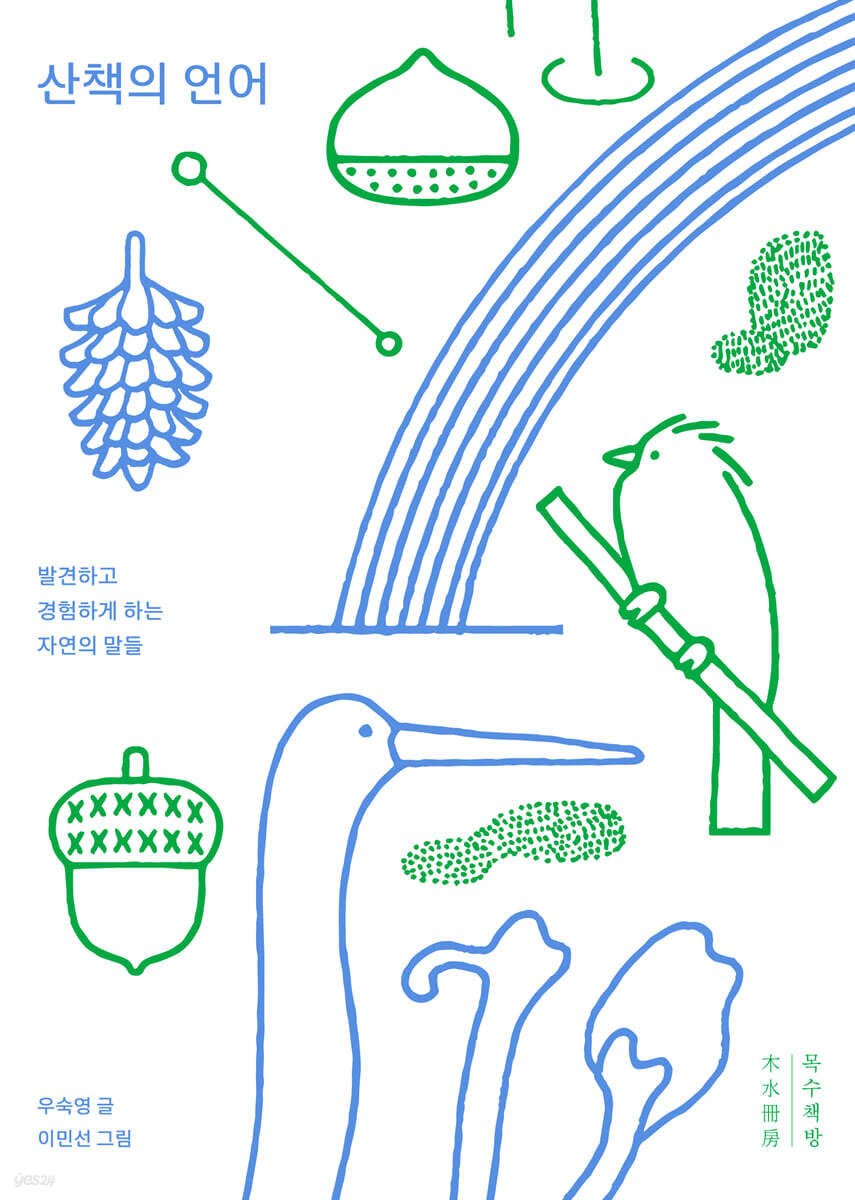 |
Description
Book Introduction
This book is for those who can only describe and explain in a few words what they see, experience, and feel in nature.
This book, written in the form of a 'dictionary essay', helps us discover specific aspects of nature and various components of the Earth that have always existed around us but were not well known, through 'words', and helps us get closer to and connect with nature, enriching our relationship with it.
This book, written in the form of a 'dictionary essay', helps us discover specific aspects of nature and various components of the Earth that have always existed around us but were not well known, through 'words', and helps us get closer to and connect with nature, enriching our relationship with it.
- You can preview some of the book's contents.
Preview
index
sky
Sun: The light and sunshine of the sun | Moon: The moon is not fickle | Sun and moon halos: Tells you the weather | Solar and lunar eclipses: Secret events in the vast but quiet universe | Stars: If we could travel at the speed of light | Milky Way: Secrets the Milky Way has revealed | Constellations: Stories made with lines | Comets and meteors: Gifts left behind by guest stars | Rainbows: Enough just to look at
earth
Soil: Dreaming soil | Sand: Small grains, weak but strong | Rocks and stones: Large and small stones that hold memories | Rice paddies and fields: Land that grows food | Mountains: Folds of the land with a wide embrace | Roads: Traces of life
water
Pond: A tranquil pond | Lake: A mirror of the moon and clouds | Ditches and streams: The life-giving threads of the earth | River: A river that silently flows | Sea: A vast saltwater body encountered at the end of the earth
plant
Forest: Each ecology | Eyes: Every eye has a plan | Flowers: Beauty with a reason | Leaves: Diligent and honest workers of the earth | Trunks and branches: Life between heaven and earth | Fruits and seeds: A heart that leaves, a heart that sends off | Roots: Quiet solidarity | Fallen leaves and maple leaves: Calm beauty | Tree rings: Recorded as we live | Moss: A rolling stone gathers no moss
animal
Dogs and Cats: Becoming Similar Lives | Chickens and Cows: Your Name | Squirrels and Deer: A World Without Diversity | Bugs and Insects: The Streets of Coexistence | Butterflies and Moths: Those Who Cross the Line | Cicadas and Crickets: The Announcement of the Seasons | Frogs: How to Cope with Change | Carp and Pyramid: The World Seen Through the Eyes of Fish | Swallows and Herons: Migrating and Stationary Lives | Sparrows and Bulbuls: The Language of Birds
weather
Clouds: The mood of the sky | Rain: The art of loving rain | Snow: Weather that can be touched and gathered | Wind: Wind containing wind | Fog: Clouds settling on the ground | Dew and frost: The signs of the seasons
Time and season
Dawn and Morning: The Birth of Morning | Evening and Night: The Return of Night | Spring: The Uncanceled Spring | Summer: The Taste of Summer | Autumn: The Fall of Choice | Winter: The Deepening Season
In nature
Gazing at the sky | Walking wherever your heart takes you | Finding the names of colors in nature | Collecting sea green | Gazing at green | Turning everything off and listening | Approaching closely and smelling | Finding the origin of taste | Touching gently | Gazing at fire
Sun: The light and sunshine of the sun | Moon: The moon is not fickle | Sun and moon halos: Tells you the weather | Solar and lunar eclipses: Secret events in the vast but quiet universe | Stars: If we could travel at the speed of light | Milky Way: Secrets the Milky Way has revealed | Constellations: Stories made with lines | Comets and meteors: Gifts left behind by guest stars | Rainbows: Enough just to look at
earth
Soil: Dreaming soil | Sand: Small grains, weak but strong | Rocks and stones: Large and small stones that hold memories | Rice paddies and fields: Land that grows food | Mountains: Folds of the land with a wide embrace | Roads: Traces of life
water
Pond: A tranquil pond | Lake: A mirror of the moon and clouds | Ditches and streams: The life-giving threads of the earth | River: A river that silently flows | Sea: A vast saltwater body encountered at the end of the earth
plant
Forest: Each ecology | Eyes: Every eye has a plan | Flowers: Beauty with a reason | Leaves: Diligent and honest workers of the earth | Trunks and branches: Life between heaven and earth | Fruits and seeds: A heart that leaves, a heart that sends off | Roots: Quiet solidarity | Fallen leaves and maple leaves: Calm beauty | Tree rings: Recorded as we live | Moss: A rolling stone gathers no moss
animal
Dogs and Cats: Becoming Similar Lives | Chickens and Cows: Your Name | Squirrels and Deer: A World Without Diversity | Bugs and Insects: The Streets of Coexistence | Butterflies and Moths: Those Who Cross the Line | Cicadas and Crickets: The Announcement of the Seasons | Frogs: How to Cope with Change | Carp and Pyramid: The World Seen Through the Eyes of Fish | Swallows and Herons: Migrating and Stationary Lives | Sparrows and Bulbuls: The Language of Birds
weather
Clouds: The mood of the sky | Rain: The art of loving rain | Snow: Weather that can be touched and gathered | Wind: Wind containing wind | Fog: Clouds settling on the ground | Dew and frost: The signs of the seasons
Time and season
Dawn and Morning: The Birth of Morning | Evening and Night: The Return of Night | Spring: The Uncanceled Spring | Summer: The Taste of Summer | Autumn: The Fall of Choice | Winter: The Deepening Season
In nature
Gazing at the sky | Walking wherever your heart takes you | Finding the names of colors in nature | Collecting sea green | Gazing at green | Turning everything off and listening | Approaching closely and smelling | Finding the origin of taste | Touching gently | Gazing at fire
Detailed image
Into the book
Spring is cool in the shade and warm in the sun.
The sunlight seen through the wind-blown young leaves is the most luxurious movement you can enjoy in the city.
Whenever a light breeze blows, the water-blue sky and sunlight ripple between the young green leaves.
I put my phone down as I struggle to capture the scenery in front of me in a photo.
No matter how you take a picture, it is not as beautiful as the scenery you see with your own eyes.
The sunlight and the light that no good camera can capture fall gently on the crown of the head and shoulders.
The damp heart slowly dries in the light and sunshine.
The moon is not fickle.
The daily appearance and visible time are different, so it feels capricious, but the movements and changes are regular.
We just haven't been looking at the moon long enough to know its circumstances.
Of course, the moon does not care about our attention and love.
The moon silently circles the Earth again today, moving closer and farther with its own breath.
I live today, different from yesterday, in a state of chaos.
A night when darkness fell evenly.
Look for constellations in the night sky.
We found the Big Dipper and the Anchor Star , but the rest is not easy.
Feeling regretful, I looked up at the night sky and drew a line between two stars that were completely separate from each other.
I also looked for other stars that were shining brightly around me.
It's not an official constellation, but it's okay.
Anyway, the story of the night sky began with a single gesture that connected the stars that were each separate and unrelated to each other.
All stories begin like that.
I saw a tree stump on my walk.
It's a bit slick, as many people have taken a break.
Instead of sitting on the stump , I sat quietly next to it and traced the tree's tracks with my hand.
I read about the years the tree has lived.
I might have read the tree through the touching fingertips.
A raw human life recorded as it was lived.
There is no butterfly that is only beautiful and beneficial.
There is no moth that is only disgusting and harmful.
It's just a line drawn by humans.
Only humans find differences, divide 'you' and 'me', and define right and wrong.
Of course, butterflies and moths are not bothered by the names and prejudices that humans call them.
Even today, butterflies and moths cross the lines drawn by humans and chase flowers and follow light of their own will.
A life on the move and a life at rest.
In the meantime, birds stay and leave according to their own circumstances.
There is no hesitation in leaving or staying.
Today, too, migratory birds and resident birds bravely leave for tomorrow, preening their feathers with their beaks , and live today bravely.
Snow is one of the most sensory weather we can experience.
It can be touched and clumped together.
You can step on it and lie on it.
You can smell it and even taste it.
The light snow that has fallen just enough to leave footprints quickly disappears, but the deep snow that has piled up hardens and becomes a snow bridge that people can cross.
The fine , rice-like snow that has fallen softly can be easily stepped on and walked on, but the snow that has fallen so much that the tops of your feet fall in makes your feet sink in with a crunching sound.
It is a solid that turns into a liquid, and it disappears but also accumulates.
The eyes have no fixed senses.
The sunlight seen through the wind-blown young leaves is the most luxurious movement you can enjoy in the city.
Whenever a light breeze blows, the water-blue sky and sunlight ripple between the young green leaves.
I put my phone down as I struggle to capture the scenery in front of me in a photo.
No matter how you take a picture, it is not as beautiful as the scenery you see with your own eyes.
The sunlight and the light that no good camera can capture fall gently on the crown of the head and shoulders.
The damp heart slowly dries in the light and sunshine.
The moon is not fickle.
The daily appearance and visible time are different, so it feels capricious, but the movements and changes are regular.
We just haven't been looking at the moon long enough to know its circumstances.
Of course, the moon does not care about our attention and love.
The moon silently circles the Earth again today, moving closer and farther with its own breath.
I live today, different from yesterday, in a state of chaos.
A night when darkness fell evenly.
Look for constellations in the night sky.
We found the Big Dipper and the Anchor Star , but the rest is not easy.
Feeling regretful, I looked up at the night sky and drew a line between two stars that were completely separate from each other.
I also looked for other stars that were shining brightly around me.
It's not an official constellation, but it's okay.
Anyway, the story of the night sky began with a single gesture that connected the stars that were each separate and unrelated to each other.
All stories begin like that.
I saw a tree stump on my walk.
It's a bit slick, as many people have taken a break.
Instead of sitting on the stump , I sat quietly next to it and traced the tree's tracks with my hand.
I read about the years the tree has lived.
I might have read the tree through the touching fingertips.
A raw human life recorded as it was lived.
There is no butterfly that is only beautiful and beneficial.
There is no moth that is only disgusting and harmful.
It's just a line drawn by humans.
Only humans find differences, divide 'you' and 'me', and define right and wrong.
Of course, butterflies and moths are not bothered by the names and prejudices that humans call them.
Even today, butterflies and moths cross the lines drawn by humans and chase flowers and follow light of their own will.
A life on the move and a life at rest.
In the meantime, birds stay and leave according to their own circumstances.
There is no hesitation in leaving or staying.
Today, too, migratory birds and resident birds bravely leave for tomorrow, preening their feathers with their beaks , and live today bravely.
Snow is one of the most sensory weather we can experience.
It can be touched and clumped together.
You can step on it and lie on it.
You can smell it and even taste it.
The light snow that has fallen just enough to leave footprints quickly disappears, but the deep snow that has piled up hardens and becomes a snow bridge that people can cross.
The fine , rice-like snow that has fallen softly can be easily stepped on and walked on, but the snow that has fallen so much that the tops of your feet fall in makes your feet sink in with a crunching sound.
It is a solid that turns into a liquid, and it disappears but also accumulates.
The eyes have no fixed senses.
--- From the text
Publisher's Review
The names and stories of nature collected while walking
No one can live apart from 'nature'.
It's just that we are not looking at and recognizing 'nature' with care and sensitivity.
The sky and weather change every moment, the plants around us that change their appearance every day, the friendly animals that become our friends, and the countless birds and insects that live fiercely, using various methods that are not easily visible to the eye.
Even if we spend most of our days inside gray concrete buildings, and don't venture out to encounter nature, we are always a part of nature, relying on the gifts it provides and the many lives it embodies.
But if we were to ask ourselves to explain and describe the 'nature' that we see and experience all the time, we would feel at a loss.
The plants are 'green', the sky is 'blue', and in front of a beautiful scenery, all I can say is 'beautiful'.
In my childhood, when I was a little closer to nature, I looked at the nature around me with curiosity and affection, and I did not hesitate to take a step closer to see, hear, smell, touch, and taste it.
I could memorize and call out the names of dinosaurs that were difficult to pronounce, as well as the names of strange insects and sea creatures that I only saw in books.
But as we grew older, the tentacles of our senses that we had developed toward the natural environment and all living things around us became increasingly dull.
"The Language of Walking" is a book that helps people who have unknowingly become more and more distant from nature, and thus have become "poor" in the language with which they can experience and express nature, to get closer to and connect with nature again through new "words."
Whenever the author felt overwhelmed by the coldness created by technology and people, he took a walk in nature and found warmth. He wrote this book by collecting the names and stories of nature he picked up along the way.
Language: The Door to a New World
Marcel Proust said, “The real voyage of discovery consists not in seeing new landscapes but in having new eyes.”
A ‘new perspective’ is the starting point of a journey toward a new world.
And the key that opens the door to that new world is ‘language.’
The author has collected words that represent the names and characteristics of nature and natural phenomena, hoping to discover the diverse elements of nature and their colorful appearances that have always been present but that one would like to see again in a new light.
We have selected words related to human senses, expressions, and actions, hoping that our experiences with nature will deepen and connect us.
As you read the book, you will be surprised by the number of words that are clearly Korean but whose meanings you do not know. At the same time, as you learn new names and stories, you will realize that they are not unfamiliar at all.
Knowing the names and stories of nature is not 'learning something new', but rather closer to remembering the names of dinosaurs and insects you loved as a child.
A new language to describe and express nature brings back memories of childhood and the connection we had with nature back then.
Establishing a new relationship with nature through 'words'
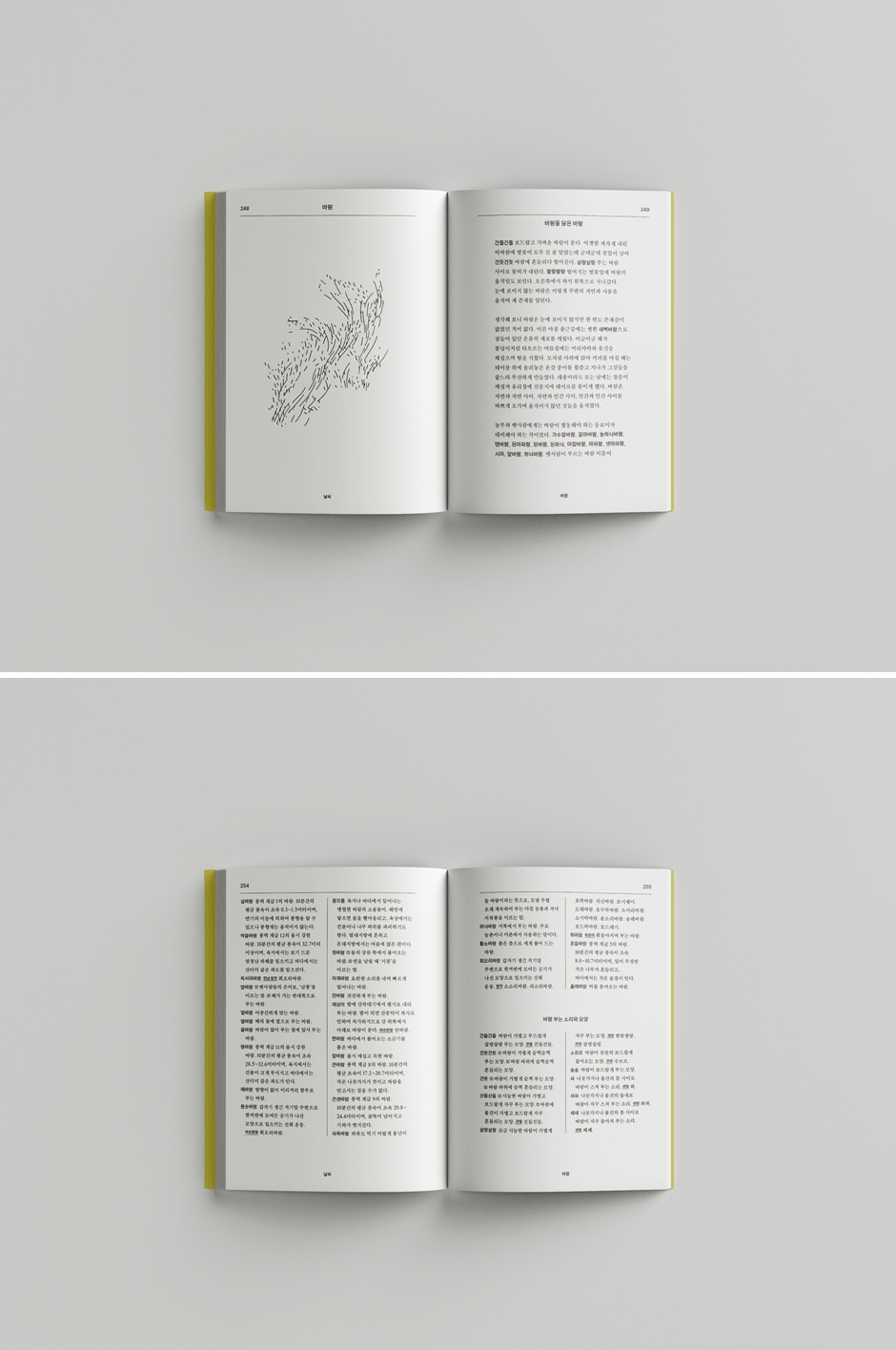
"The Language of Walking" is a 'dictionary essay' format that combines an essay and a dictionary.
It is largely composed of eight chapters: sky, earth, water, plants, animals, weather, time and seasons, and in nature, and each chapter is followed by a short essay written by Woo Sook-young and a drawing by Lee Min-seon.
And, the author carefully collected each keyword and added related words and word explanations while carefully considering the meaning.
First, we encounter the nature that the author has seen and experienced through writing and pictures, and then we also encounter new words related to it.
You can read the book in order, but you can also start from the part that catches your eye.
You don't have to read it all at once.
Whenever you have a chance to encounter nature, whether it's camping, traveling, or taking a walk, it's a good idea to look up related keywords and words and try to use them little by little.
It is up to the readers to encounter new landscapes through new perspectives, to reconnect with nature in their own way through unfamiliar words, and to discover fascinating stories.
No one can live apart from 'nature'.
It's just that we are not looking at and recognizing 'nature' with care and sensitivity.
The sky and weather change every moment, the plants around us that change their appearance every day, the friendly animals that become our friends, and the countless birds and insects that live fiercely, using various methods that are not easily visible to the eye.
Even if we spend most of our days inside gray concrete buildings, and don't venture out to encounter nature, we are always a part of nature, relying on the gifts it provides and the many lives it embodies.
But if we were to ask ourselves to explain and describe the 'nature' that we see and experience all the time, we would feel at a loss.
The plants are 'green', the sky is 'blue', and in front of a beautiful scenery, all I can say is 'beautiful'.
In my childhood, when I was a little closer to nature, I looked at the nature around me with curiosity and affection, and I did not hesitate to take a step closer to see, hear, smell, touch, and taste it.
I could memorize and call out the names of dinosaurs that were difficult to pronounce, as well as the names of strange insects and sea creatures that I only saw in books.
But as we grew older, the tentacles of our senses that we had developed toward the natural environment and all living things around us became increasingly dull.
"The Language of Walking" is a book that helps people who have unknowingly become more and more distant from nature, and thus have become "poor" in the language with which they can experience and express nature, to get closer to and connect with nature again through new "words."
Whenever the author felt overwhelmed by the coldness created by technology and people, he took a walk in nature and found warmth. He wrote this book by collecting the names and stories of nature he picked up along the way.
Language: The Door to a New World
Marcel Proust said, “The real voyage of discovery consists not in seeing new landscapes but in having new eyes.”
A ‘new perspective’ is the starting point of a journey toward a new world.
And the key that opens the door to that new world is ‘language.’
The author has collected words that represent the names and characteristics of nature and natural phenomena, hoping to discover the diverse elements of nature and their colorful appearances that have always been present but that one would like to see again in a new light.
We have selected words related to human senses, expressions, and actions, hoping that our experiences with nature will deepen and connect us.
As you read the book, you will be surprised by the number of words that are clearly Korean but whose meanings you do not know. At the same time, as you learn new names and stories, you will realize that they are not unfamiliar at all.
Knowing the names and stories of nature is not 'learning something new', but rather closer to remembering the names of dinosaurs and insects you loved as a child.
A new language to describe and express nature brings back memories of childhood and the connection we had with nature back then.
Establishing a new relationship with nature through 'words'
"The Language of Walking" is a 'dictionary essay' format that combines an essay and a dictionary.
It is largely composed of eight chapters: sky, earth, water, plants, animals, weather, time and seasons, and in nature, and each chapter is followed by a short essay written by Woo Sook-young and a drawing by Lee Min-seon.
And, the author carefully collected each keyword and added related words and word explanations while carefully considering the meaning.
First, we encounter the nature that the author has seen and experienced through writing and pictures, and then we also encounter new words related to it.
You can read the book in order, but you can also start from the part that catches your eye.
You don't have to read it all at once.
Whenever you have a chance to encounter nature, whether it's camping, traveling, or taking a walk, it's a good idea to look up related keywords and words and try to use them little by little.
It is up to the readers to encounter new landscapes through new perspectives, to reconnect with nature in their own way through unfamiliar words, and to discover fascinating stories.
GOODS SPECIFICS
- Publication date: August 25, 2022
- Page count, weight, size: 344 pages | 412g | 139*195*30mm
- ISBN13: 9791188806348
- ISBN10: 1188806343
You may also like
카테고리
korean


korean

![GQ KOREA Mark (Monthly): December [2025]](http://librairie.coreenne.fr/cdn/shop/files/8ef265dbbfbf186523ed75ba7319009d.jpg?v=1765340328&width=3840)


