

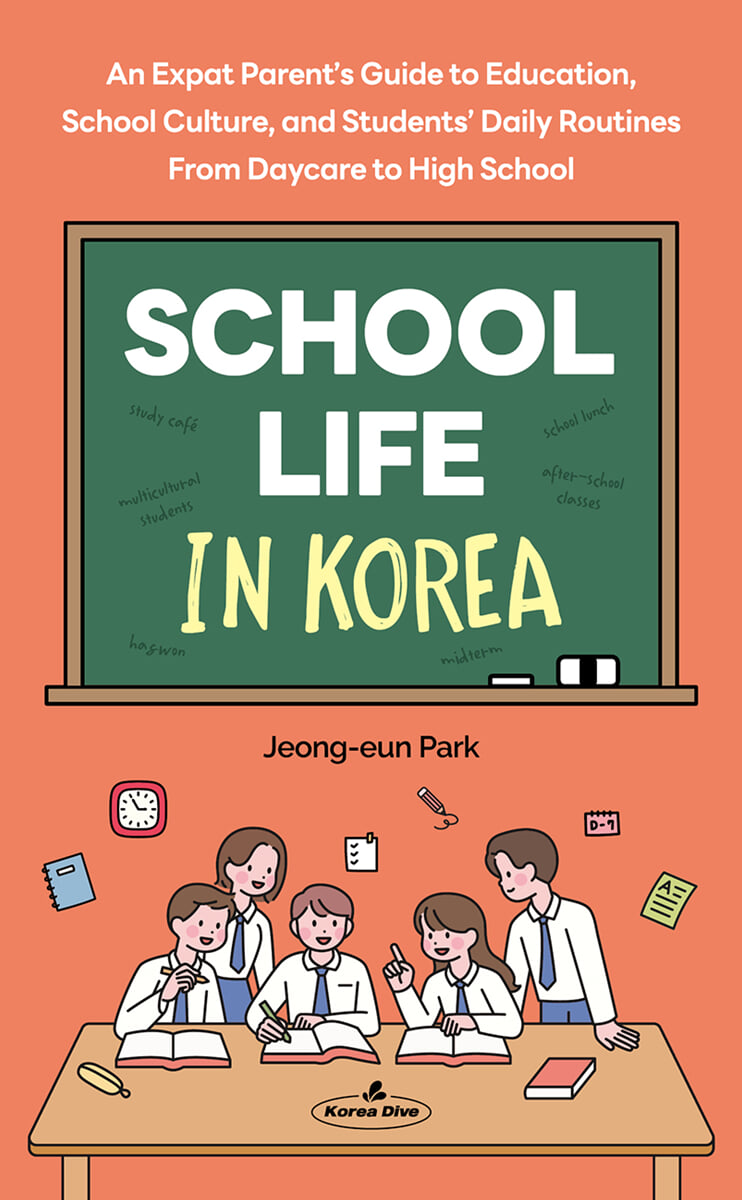
School Life in Korea
 |
Description
책소개
What is School Life Really Like in Korea?
한국의 학교생활, 실제로는 어떤 모습일까?
At first glance, Korea’s school system may seem similar to those in other countries.
But it also has uniquely Korean features―such as the private after-school education system known as hagwon, intense academic pressure from Suneung (the College Scholastic Ability Test) and naesin (school academic records), nutritious school lunches served nationwide, and a growing number of multicultural students.
These aspects can sometimes be surprising or confusing for students and parents moving to Korea from abroad.
This book provides a clear and practical overview of Korean daycare centers, kindergartens, elementary schools, and high schools―what students learn, how daily school life works, and what both students and parents should know and pay attention to.
It’s a helpful guide for anyone looking to better understand Korea’s education culture―especially immigrant families who are trying to adapt smoothly to the school system.
겉으로 보기엔 한국의 학교 및 교육 시스템이 다른 나라들과 크게 다르지 않아 보일 수 있다.
하지만 한국에는 한국 특유의 교육 문화가 존재한다.
사교육의 중심인 학원, 수능과 내신으로 인한 극심한 학업 스트레스, 무상으로 제공되는 영양가 높은 급식, 그리고 점점 증가하는 다문화 학생들까지-이러한 요소들은 한국에 이주해서 학교에 다니는 학생들과 학부모들에게 낯설고 어색하게 느껴질 수 있다.
이 책은 한국의 어린이집부터 고등학교에 이르기까지 각 단계별 학교생활을 명확하고 실용적으로 소개한다.
학생들이 무엇을 배우고, 일상적인 학교생활은 어떻게 이루어지며, 학생과 부모가 알아야 할 중요한 정보는 무엇인지 쉽게 풀어준다.
특히 한국의 학교 시스템에 잘 적응하고자 하는 다문화 가정에게 이 책은 든든한 안내서가 되어줄 것이다.
한국의 학교생활, 실제로는 어떤 모습일까?
At first glance, Korea’s school system may seem similar to those in other countries.
But it also has uniquely Korean features―such as the private after-school education system known as hagwon, intense academic pressure from Suneung (the College Scholastic Ability Test) and naesin (school academic records), nutritious school lunches served nationwide, and a growing number of multicultural students.
These aspects can sometimes be surprising or confusing for students and parents moving to Korea from abroad.
This book provides a clear and practical overview of Korean daycare centers, kindergartens, elementary schools, and high schools―what students learn, how daily school life works, and what both students and parents should know and pay attention to.
It’s a helpful guide for anyone looking to better understand Korea’s education culture―especially immigrant families who are trying to adapt smoothly to the school system.
겉으로 보기엔 한국의 학교 및 교육 시스템이 다른 나라들과 크게 다르지 않아 보일 수 있다.
하지만 한국에는 한국 특유의 교육 문화가 존재한다.
사교육의 중심인 학원, 수능과 내신으로 인한 극심한 학업 스트레스, 무상으로 제공되는 영양가 높은 급식, 그리고 점점 증가하는 다문화 학생들까지-이러한 요소들은 한국에 이주해서 학교에 다니는 학생들과 학부모들에게 낯설고 어색하게 느껴질 수 있다.
이 책은 한국의 어린이집부터 고등학교에 이르기까지 각 단계별 학교생활을 명확하고 실용적으로 소개한다.
학생들이 무엇을 배우고, 일상적인 학교생활은 어떻게 이루어지며, 학생과 부모가 알아야 할 중요한 정보는 무엇인지 쉽게 풀어준다.
특히 한국의 학교 시스템에 잘 적응하고자 하는 다문화 가정에게 이 책은 든든한 안내서가 되어줄 것이다.
- 책의 일부 내용을 미리 읽어보실 수 있습니다.
미리보기
목차
01 Daycare Center & Kindergarten 어린이집 & 유치원ㆍ8
What You’ll Learn
ㆍ At what age can kids start attending daycare or kindergarten?
ㆍ What does a typical day look like at these facilities?
ㆍ How can parents get in touch with the facilities?
Keywords: Home Daycare Centers│English Kindergartens│Full-Day Programs│Children’s Play Cafes│Birthday Parties│Child Health Checkups
A Mother’s Diary: Who Knew Sending a Child to Kindergarten Was This Hard?
02 Elementary School 초등학교ㆍ16
What You’ll Learn
ㆍ What school supplies do elementary school students need?
ㆍ What subjects do they study at school?
ㆍ What do they usually do after school?
Keywords: Open Classes│School Lunches│After-School Classes │After-School Child Care Program│Survival Swimming Classes│Experiential Learning Leave Application
A Mother’s Diary: A Day That Felt Like Starting Elementary School Again
03 Middle School 중학교ㆍ25
What You’ll Learn
ㆍ What subjects do middle school students study in Korea?
ㆍ How is students’ academic performance assessed?
ㆍ What is dating like for middle school students?
Keywords: School Uniforms│Seniors & Juniors│Study Cafes│Menstrual Leave│Middle School Syndrome
A Mother’s Diary: How Should I Handle My Child’s Extreme Mood Swings Throughout the Day?
04 High School 고등학교ㆍ33
What You’ll Learn
ㆍ What subjects do high school students study in Korea?
ㆍ What kinds of school events do they participate in?
ㆍ What causes the most stress for high school students?
Keywords: Specialized High Schools│Third Year of High School│Snack Shop│School Festivals│School Life Record Book
A Mother’s Diary: Thoughts on Whether College Is Really Necessary
05 College Admissions & Suneung 대학입시 & 수능ㆍ41
What You’ll Learn
ㆍ What does it take to get into a university in Korea?
ㆍ What kind of exam is the Suneung (CSAT)?
ㆍ How do students prepare for the Suneung?
Keywords: First-Class Star Instructors│College Admissions Results │Grade Cut-Off Scores│Difficult Suneung│Partial Repeaters│Special Offers for Suneung-Takers
A Mother’s Diary: Avoiding All Exam-Related Superstitions
06 Teachers 선생님ㆍ49
What You’ll Learn
ㆍ What kinds of teachers work in Korean schools?
ㆍ What do homeroom teachers do in each school level?
ㆍ How do teachers teach and interact with students?
Keywords: A Casual Term for Teacher│Teacher’s Office│Teacher’s Day│Backbiting│Corporal Punishment Ban
A Mother’s Diary: Mission Accomplished─Buying Teacher’s Day Gifts
07 Peer Relationships 교우관계ㆍ58
What You’ll Learn
ㆍ How do students build friendships in Korea?
ㆍ What kinds of things do they do with their friends?
ㆍ How are serious conflicts between peers handled?
Keywords: Bestie│Friendship Ring│“Would You Rather” Game│Coin Singing Room│A Bullied Person
A Mother’s Diary: My Child, a Bully?
08 After-School Classes 방과후교실ㆍ65
What You’ll Learn
ㆍ What are after-school classes in Korea?
ㆍ How do after-school classes differ at each school level?
ㆍ What are the benefits of after-school classes?
Keywords: Dual-Income Households│Working Mom│Hagwon Hoping│Preemptive Learning│School Banking
A Mother’s Diary: Why I Look Forward to Mondays
09 School Lunches 급식ㆍ73
What You’ll Learn
ㆍ Do all schools in Korea serve school meals?
ㆍ What types of food are included in school lunches?
ㆍ What if a student can’t eat something on the menu?
Keywords: Nutritionists & Cooks│Meal Carts│Spoons and Chopsticks│Legendary│Table Manners Education
A Mother’s Diary: The Egg War
10 Multicultural Students 다문화 학생ㆍ80
What You’ll Learn
ㆍ How do students from multicultural backgrounds study in Korea?
ㆍ What school activities are available for them?
ㆍ How do they choose their future career?
Keywords: Children Who Enter Korea Midway│Mentoring│Community Learning Centers│Formal & Informal Speech│Family Titles
A Mother’s Diary: My Child Is Gradually Adjusting to Korean School Life
11 Private Education 사교육ㆍ88
What You’ll Learn
ㆍ What types of private education are available in Korea?
ㆍ What kinds of hagwons (private academies) exist?
ㆍ What should be considered when choosing a hagwon?
Keywords: Hyper-Competitive School Districts│Daechi-dong Hagwon District│Level Test│Past Exam Questions│Cram│Students Who Give Up on Math│Disappearing
A Mother’s Diary: Should We Move or Not?
12 Special Education 특수교육ㆍ97
What You’ll Learn
ㆍ How is special education provided in Korea?
ㆍ Can students with disabilities learn alongside their peers?
ㆍ What support do schools provide for students with disabilities?
Keywords: Inclusive Education│Welfare Centers│Vocational Training│Special Admissions for Students with Disabilities│Social Service Personnel
A Mother’s Diary: Independence Day
13 Online classes 온라인 교육ㆍ105
What You’ll Learn
ㆍ Is online education widely used in Korean schools today?
ㆍ How is online learning used in private education?
ㆍ What are the advantages of online education?
Keywords: Zoom Class│Tablet│Mute│Secretly Using a Phone│Eating Show
A Mother’s Diary: Even Better!
Useful Websitesㆍ111
About the Authorㆍ112
What You’ll Learn
ㆍ At what age can kids start attending daycare or kindergarten?
ㆍ What does a typical day look like at these facilities?
ㆍ How can parents get in touch with the facilities?
Keywords: Home Daycare Centers│English Kindergartens│Full-Day Programs│Children’s Play Cafes│Birthday Parties│Child Health Checkups
A Mother’s Diary: Who Knew Sending a Child to Kindergarten Was This Hard?
02 Elementary School 초등학교ㆍ16
What You’ll Learn
ㆍ What school supplies do elementary school students need?
ㆍ What subjects do they study at school?
ㆍ What do they usually do after school?
Keywords: Open Classes│School Lunches│After-School Classes │After-School Child Care Program│Survival Swimming Classes│Experiential Learning Leave Application
A Mother’s Diary: A Day That Felt Like Starting Elementary School Again
03 Middle School 중학교ㆍ25
What You’ll Learn
ㆍ What subjects do middle school students study in Korea?
ㆍ How is students’ academic performance assessed?
ㆍ What is dating like for middle school students?
Keywords: School Uniforms│Seniors & Juniors│Study Cafes│Menstrual Leave│Middle School Syndrome
A Mother’s Diary: How Should I Handle My Child’s Extreme Mood Swings Throughout the Day?
04 High School 고등학교ㆍ33
What You’ll Learn
ㆍ What subjects do high school students study in Korea?
ㆍ What kinds of school events do they participate in?
ㆍ What causes the most stress for high school students?
Keywords: Specialized High Schools│Third Year of High School│Snack Shop│School Festivals│School Life Record Book
A Mother’s Diary: Thoughts on Whether College Is Really Necessary
05 College Admissions & Suneung 대학입시 & 수능ㆍ41
What You’ll Learn
ㆍ What does it take to get into a university in Korea?
ㆍ What kind of exam is the Suneung (CSAT)?
ㆍ How do students prepare for the Suneung?
Keywords: First-Class Star Instructors│College Admissions Results │Grade Cut-Off Scores│Difficult Suneung│Partial Repeaters│Special Offers for Suneung-Takers
A Mother’s Diary: Avoiding All Exam-Related Superstitions
06 Teachers 선생님ㆍ49
What You’ll Learn
ㆍ What kinds of teachers work in Korean schools?
ㆍ What do homeroom teachers do in each school level?
ㆍ How do teachers teach and interact with students?
Keywords: A Casual Term for Teacher│Teacher’s Office│Teacher’s Day│Backbiting│Corporal Punishment Ban
A Mother’s Diary: Mission Accomplished─Buying Teacher’s Day Gifts
07 Peer Relationships 교우관계ㆍ58
What You’ll Learn
ㆍ How do students build friendships in Korea?
ㆍ What kinds of things do they do with their friends?
ㆍ How are serious conflicts between peers handled?
Keywords: Bestie│Friendship Ring│“Would You Rather” Game│Coin Singing Room│A Bullied Person
A Mother’s Diary: My Child, a Bully?
08 After-School Classes 방과후교실ㆍ65
What You’ll Learn
ㆍ What are after-school classes in Korea?
ㆍ How do after-school classes differ at each school level?
ㆍ What are the benefits of after-school classes?
Keywords: Dual-Income Households│Working Mom│Hagwon Hoping│Preemptive Learning│School Banking
A Mother’s Diary: Why I Look Forward to Mondays
09 School Lunches 급식ㆍ73
What You’ll Learn
ㆍ Do all schools in Korea serve school meals?
ㆍ What types of food are included in school lunches?
ㆍ What if a student can’t eat something on the menu?
Keywords: Nutritionists & Cooks│Meal Carts│Spoons and Chopsticks│Legendary│Table Manners Education
A Mother’s Diary: The Egg War
10 Multicultural Students 다문화 학생ㆍ80
What You’ll Learn
ㆍ How do students from multicultural backgrounds study in Korea?
ㆍ What school activities are available for them?
ㆍ How do they choose their future career?
Keywords: Children Who Enter Korea Midway│Mentoring│Community Learning Centers│Formal & Informal Speech│Family Titles
A Mother’s Diary: My Child Is Gradually Adjusting to Korean School Life
11 Private Education 사교육ㆍ88
What You’ll Learn
ㆍ What types of private education are available in Korea?
ㆍ What kinds of hagwons (private academies) exist?
ㆍ What should be considered when choosing a hagwon?
Keywords: Hyper-Competitive School Districts│Daechi-dong Hagwon District│Level Test│Past Exam Questions│Cram│Students Who Give Up on Math│Disappearing
A Mother’s Diary: Should We Move or Not?
12 Special Education 특수교육ㆍ97
What You’ll Learn
ㆍ How is special education provided in Korea?
ㆍ Can students with disabilities learn alongside their peers?
ㆍ What support do schools provide for students with disabilities?
Keywords: Inclusive Education│Welfare Centers│Vocational Training│Special Admissions for Students with Disabilities│Social Service Personnel
A Mother’s Diary: Independence Day
13 Online classes 온라인 교육ㆍ105
What You’ll Learn
ㆍ Is online education widely used in Korean schools today?
ㆍ How is online learning used in private education?
ㆍ What are the advantages of online education?
Keywords: Zoom Class│Tablet│Mute│Secretly Using a Phone│Eating Show
A Mother’s Diary: Even Better!
Useful Websitesㆍ111
About the Authorㆍ112
책 속으로
In the first year of middle school, however, one of the two semesters is often designated as a jayul hakgije (자율학기제, free semester), during which students are exempt from written exams like midterms and finals.
Instead, they spend that semester exploring different career paths, joining creative projects, and participating in self-directed learning activities.
--- 「Middle School (중학교)」 중에서
Ip-gyeol (입결) is short for ipsi gyeolgwa (입시 결과) and refers to the academic records of students admitted to a particular university.
Based on the previous year’s admission results, prospective students can estimate the scores needed to get into their desired universities and gauge the level of competition.
However, as admission results vary each year, students are advised to base their strategies on data from the past three to four years.
--- 「College Admissions & Suneung (대학입시 & 수능)」 중에서
Gongbubang is a space where children gather after school to study.
In particular, hangugeo gongbubang (한국어 공부방) is a Korean language study room where people from diverse backgrounds learn Korean together.
These study rooms are usually run by local communities, religious organizations, or multicultural family support centers.
They provide a comfortable and supportive learning environment, and teachers or volunteers assist students with challenging subjects.
Here, students can also enjoy snacks, play games, and participate in various activities with friends.
--- 「Multicultural Students (다문화 학생)」 중에서
For students with dietary restrictions due to religious beliefs, health conditions, or allergies, alternative menus are provided.
Vegetarian options are available for those who don’t eat meat or other animal products, and on days when wheat-based main dishes are served, rice is offered as an alternative for students avoiding gluten.
At the start of the school year, parents report their child’s dietary needs, and meals are prepared accordingly.
Special meals are labeled with the student’s name to avoid confusion with regular lunches and to ensure proper handling.
Instead, they spend that semester exploring different career paths, joining creative projects, and participating in self-directed learning activities.
--- 「Middle School (중학교)」 중에서
Ip-gyeol (입결) is short for ipsi gyeolgwa (입시 결과) and refers to the academic records of students admitted to a particular university.
Based on the previous year’s admission results, prospective students can estimate the scores needed to get into their desired universities and gauge the level of competition.
However, as admission results vary each year, students are advised to base their strategies on data from the past three to four years.
--- 「College Admissions & Suneung (대학입시 & 수능)」 중에서
Gongbubang is a space where children gather after school to study.
In particular, hangugeo gongbubang (한국어 공부방) is a Korean language study room where people from diverse backgrounds learn Korean together.
These study rooms are usually run by local communities, religious organizations, or multicultural family support centers.
They provide a comfortable and supportive learning environment, and teachers or volunteers assist students with challenging subjects.
Here, students can also enjoy snacks, play games, and participate in various activities with friends.
--- 「Multicultural Students (다문화 학생)」 중에서
For students with dietary restrictions due to religious beliefs, health conditions, or allergies, alternative menus are provided.
Vegetarian options are available for those who don’t eat meat or other animal products, and on days when wheat-based main dishes are served, rice is offered as an alternative for students avoiding gluten.
At the start of the school year, parents report their child’s dietary needs, and meals are prepared accordingly.
Special meals are labeled with the student’s name to avoid confusion with regular lunches and to ensure proper handling.
--- 「School Lunches (급식)」 중에서
GOODS SPECIFICS
- 발행일 : 2025년 04월 18일
- 쪽수, 무게, 크기 : 112쪽 | 114*184*20mm
- ISBN13 : 9791199223417
- ISBN10 : 1199223417
You may also like
카테고리
한국어


한국어

![ELLE 엘르 스페셜 에디션 A형 : 12월 [2025]](http://librairie.coreenne.fr/cdn/shop/files/b8e27a3de6c9538896439686c6b0e8fb.jpg?v=1766436872&width=3840)


